
Blog
Filler Masterbatch – Common Applications
In the modern plastic manufacturing landscape, the pressure to balance high-quality output with cost-efficiency has never been greater. Filler masterbatch, often referred to as calcium carbonate CaCO3 filler, has emerged as a cornerstone additive for plastic processors worldwide. By blending high-purity mineral powders with carrier resins and specialized additives, manufacturers can create a versatile material that does much more than just “fill” space.
This article explores why filler masterbatch is a game-changer, its diverse applications across industries, and how it optimizes the production cycle for better profitability.
1. The Science Behind the Material
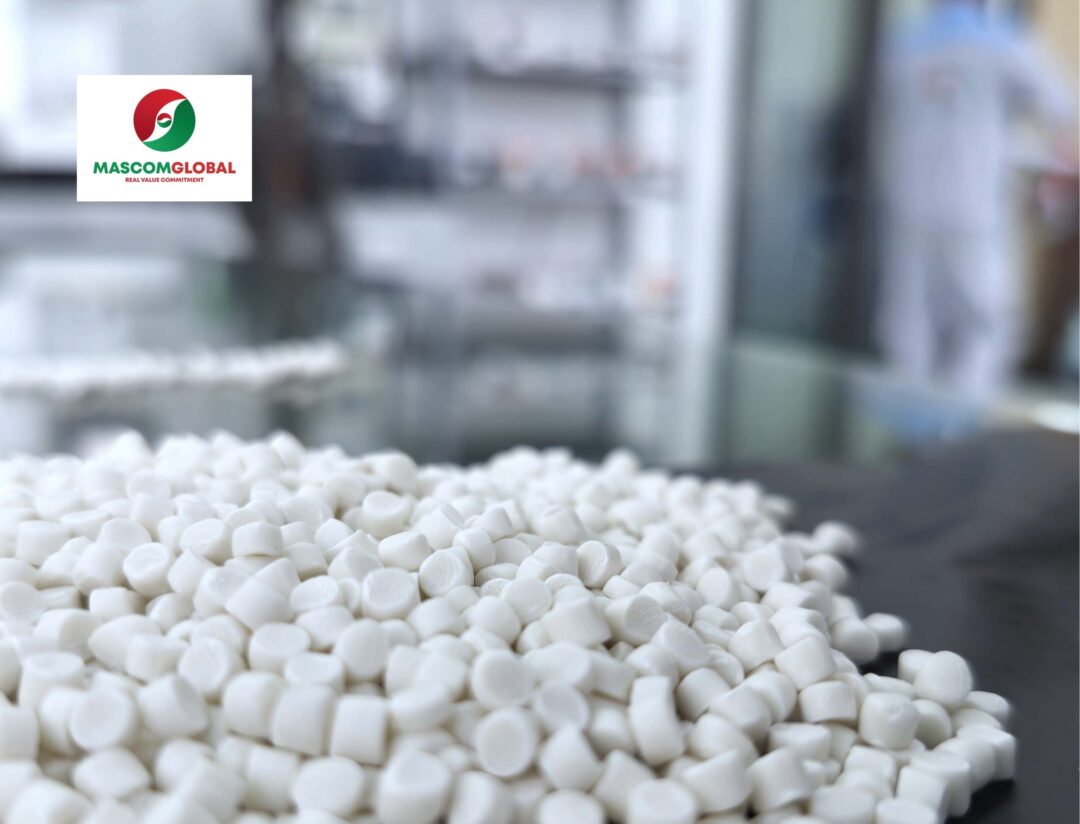
Filler masterbatch typically consists of 70% to 80% (CaCO3) mixed with Polyethylene (PE), Polypropylene (PP), or Polystyrene (PS) as a carrier. The quality of the masterbatch depends heavily on the particle size of the calcium carbonate — measured in microns. Smaller particles lead to better dispersion, which is crucial for maintaining the mechanical properties of the plastic.
When integrated into the production line, these particles act as a functional agent. They improve the thermal conductivity of the polymer melt, which significantly alters how the plastic behaves during heating and cooling phases.
2. Popular Applications of Filler Masterbatch
2.1. Advanced Film Blowing Technology
The packaging industry is the largest consumer of filler masterbatch. From thin shopping bags to heavy-duty industrial liners, CaCO3 fillers are essential.
- Property Enhancement: In film blowing, filler masterbatch increases the “dart impact” strength and prevents the film from sticking to itself (anti-blocking).
- Cost Efficiency: It reduces the consumption of expensive white pigments like (TiO2) because the natural whiteness of the calcium carbonate provides excellent opacity.
- Printability: Films containing filler have a slightly textured surface on a microscopic level, which allows ink to adhere much better than on a 100% virgin resin surface.
2.2. Precision Injection Molding
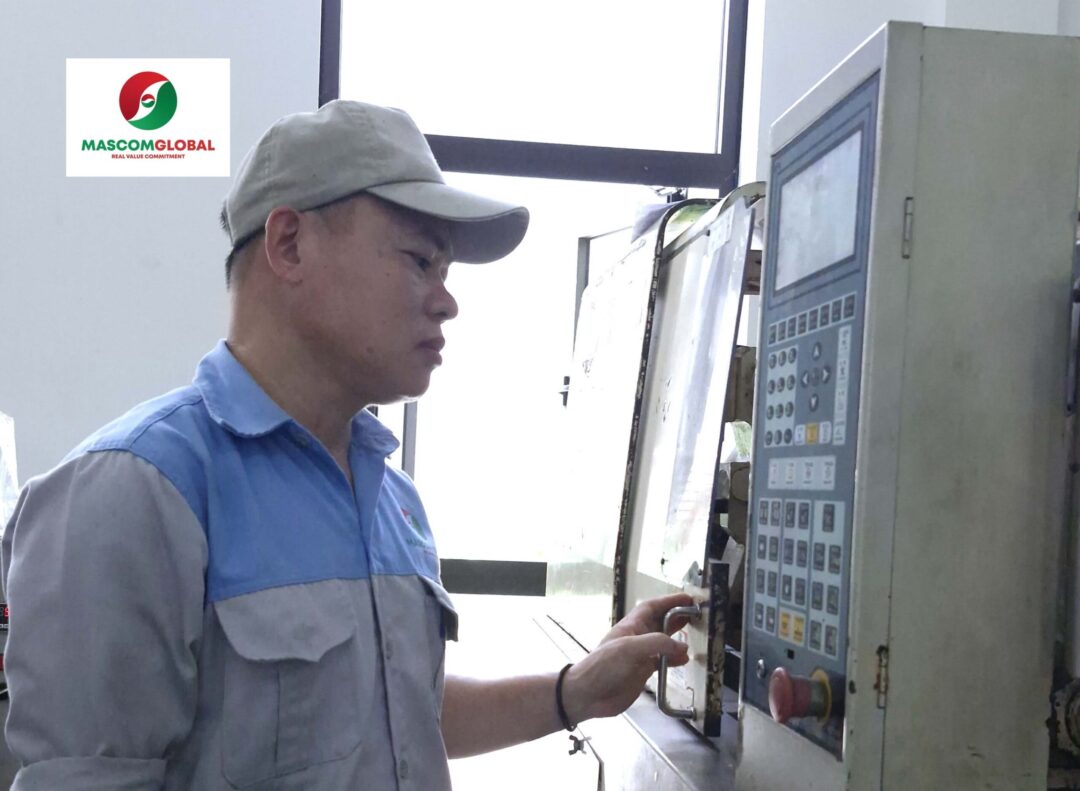
Injection Molding is used to create everything from complex automotive components to simple household items like crates and chairs.
- Faster Cycle Times: Because CaCO3 conducts heat better than plastic, the molded parts cool down much faster in the mold. This allows manufacturers to “pop” the parts out sooner, increasing the number of units produced per hour by up to 15-20%.
- Dimensional Stability: It reduces the shrinkage rate of the plastic as it cools, ensuring that parts meet exact specifications without warping or deforming.
2.3. PP Woven Sacks and Raffia
For products like cement bags, rice sacks, and jumbo bags (FIBC), the “tape” or “yarn” must be incredibly strong.
- Anti-fibrillation: Filler masterbatch acts as an anti-splitting agent. When the PP tape is stretched at high speeds, the filler keeps the molecular chains together, preventing the tape from breaking or fraying.
- Stiffness: It provides the necessary “body” or stiffness to the bag, making it easier to stack and transport in large quantities.
2.4. Extrusion of Pipes and Profiles
In the construction sector, PVC and HDPE pipes use large volumes of filler.
- Durability: Filler enhances the ring stiffness of pipes, which is critical for underground drainage systems that must withstand the weight of soil and traffic.
- Weather Resistance: High-quality fillers can improve the environmental stress crack resistance (ESCR) of the final product.
3. Why Should Manufacturers Switch to High-Quality Fillers?
Drastic Cost Reduction
The price of virgin plastic resin is highly volatile and tied to global oil prices. In contrast, calcium carbonate is a stable, abundant mineral. Replacing 10% to 40% of virgin resin with filler can slash raw material costs significantly.
Environmental Responsibility
Using mineral fillers reduces the total amount of petroleum-based plastic required for a product. Many modern filler masterbatches are also designed to be compatible with recyclable streams, helping brands meet their sustainability goals.
Improved Processing Performance
Beyond the product itself, filler masterbatch makes the machinery run better. It stabilizes the bubble in film blowing and provides a more consistent flow in extrusion, reducing “die build-up” and maintenance downtime.
4. How to Choose the Right Filler Masterbatch?
Not all fillers are created equal. When selecting a supplier, consider the following:
- Carrier Resin Compatibility: Ensure the carrier (PE, PP, etc.) matches your base resin.
- Whiteness and Purity: For high-end packaging, look for fillers with over 98% whiteness.
- Particle Size: For thin films, a smaller micron size (e.g., 1-2 microns) is mandatory to prevent holes or tearing.
Conclusion
Filler masterbatch has transitioned from a simple cost-saving tool to a high-performance additive that defines the quality of modern plastic products. Whether you are aiming for higher productivity in injection molding or better printability in packaging, selecting the right filler is a strategic move toward manufacturing excellence.
