[MASCOM GLOBAL] When it comes to distributing hot water safely, efficiently, and durably, cPVC for hot water (Chlorinated Polyvinyl Chloride) is one of the most reliable materials available today. Capable of handling continuous water temperatures up to 90°C (194°F) without warping, corroding, or leaking, cPVC has become the go-to choice for modern plumbing systems.
To help you get the most out of your system, this guide focuses entirely on where cPVC for hot water is used and how to properly install and use cPVC pipes for long-lasting performance.
Part 1: Key Applications of cPVC for Hot Water Systems
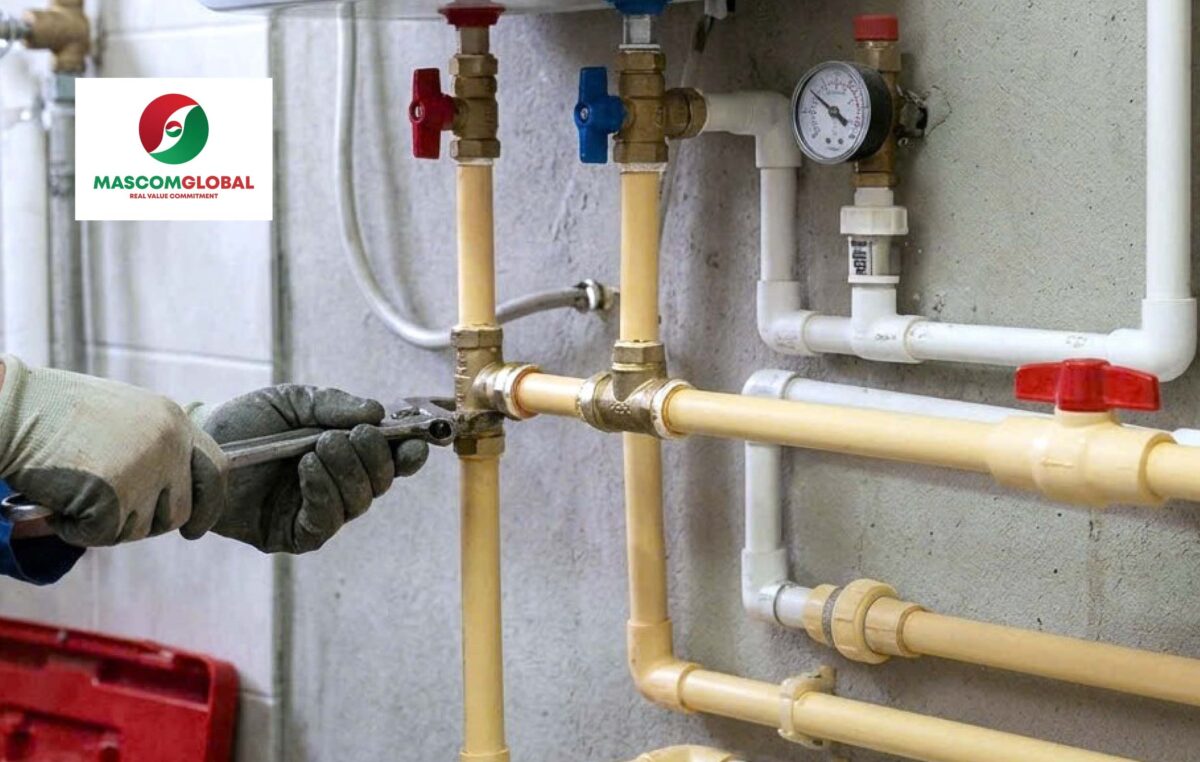 (Illustrative purpose only)
Thanks to its heat tolerance, chemical inertness, and non-toxic properties, cPVC for hot water is specified across a wide variety of sectors.
- Residential Plumbing Systems
In residential properties, cPVC for hot water is the premier choice for all hot water supply lines:
- Water Heater Connections: Direct connection from electric storage heaters, gas water heaters, or heat pumps to distribution lines.
- Bathroom & Kitchen Lines: Transporting hot water to showers, bathtubs, sinks, and dishwashers without heat loss or metallic taste.
- Solar Water Heating Systems: Used for hot water output lines coming from rooftop solar thermal collectors where temperatures remain high.
- Commercial Buildings & High-Demand Facilities
Commercial spaces require continuous, high-volume hot water distribution without flow disruption:
- Hotels & Resorts: Feeds central hot water boiler systems serving hundreds of guest rooms, kitchens, and laundry facilities simultaneously.
- Hospitals & Healthcare Clinics: Delivers pure, safe hot water. cPVC is bio-inert, meaning it resists bacterial growth (such as Legionella) on inner pipe walls.
- Spas, Gyms & Laundromats: Handles heavy daily cycles of hot water pressure without degrading over time.
- Industrial & Processing Plants
Unlike standard plastics or copper, cPVC for hot water maintains its structural integrity when exposed to elevated temperatures and corrosive media:
- Hot Chemical Transport: Used in manufacturing plants to move warm acids, bases, and chemical fluids safely.
- Industrial Washing Lines: Supplies hot water in food processing facilities and commercial washing operations.
Part 2: Comprehensive Guide to Installing & Using cPVC for Hot Water
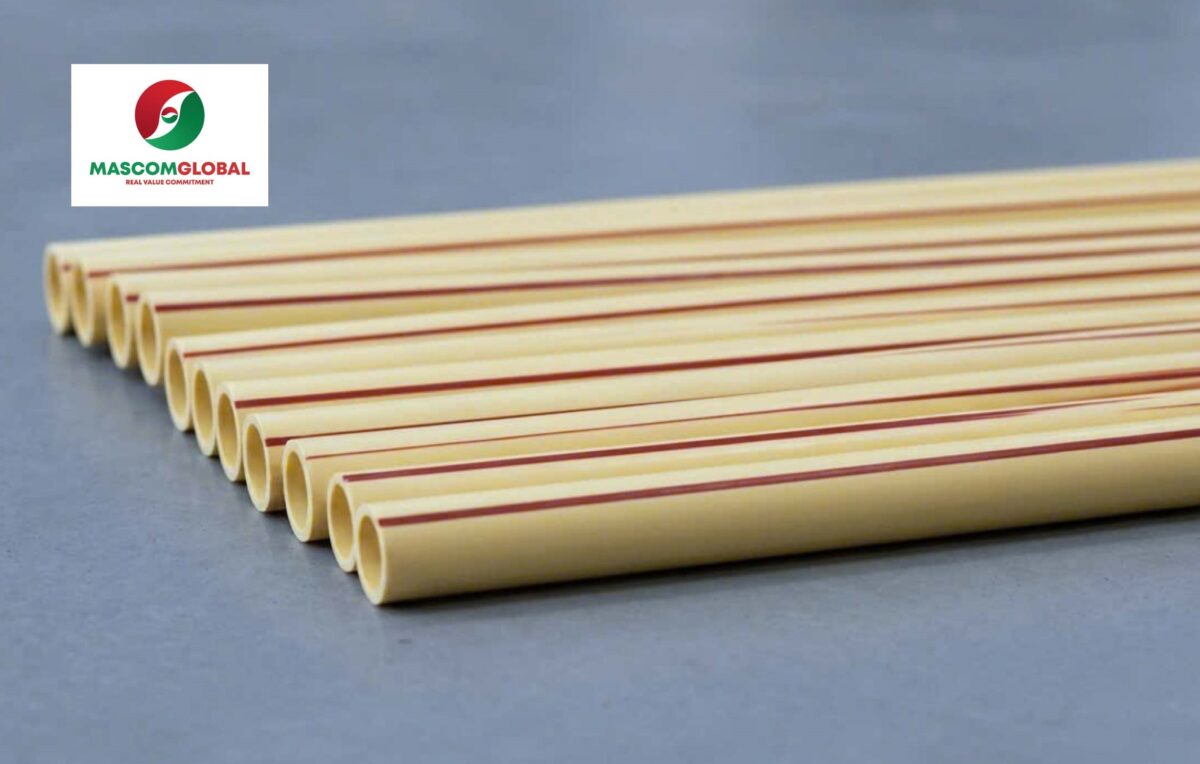
(Illustrative purpose only)
Proper installation is essential for a leak-free system that lasts over 50 years. cPVC for hot water uses a process called solvent welding (cold welding), which chemically fuses the pipe and fitting into a single solid piece.
Required Tools & Materials
- cPVC Pipes & Fittings
- Fine-toothed hand saw or plastic pipe cutter
- Deburring tool or utility knife
- cPVC Primer (if required by local code or manufacturer)
- Special cPVC Heavy-Duty Solvent Cement
- Clean, lint-free cotton cloth
Step-by-Step Installation Process
- Step 1: Cutting the Pipe Cut the cPVC pipe square (at a 90-degree angle) using a pipe cutter. A straight cut ensures full contact surface inside the fitting socket.
- Step 2: Deburring & Beveling Remove all burrs, chips, and rough edges from both inside and outside the pipe end. Chamfer (bevel) the outer edge slightly to prevent scraping off cement during insertion.
- Step 3: Cleaning & Dry Fitting Wipe away dust, moisture, and oil using a clean cloth. Test fit the pipe into the fitting - it should go in easily about 1/3 to 2/3 of the way.
- Step 4: Applying Primer & Cement Apply a thin, even layer of cPVC primer (if using), followed by an even layer of cPVC solvent cement to the outside of the pipe and inside the fitting socket.
- Step 5: Joining & Holding Quickly insert the pipe into the fitting socket until it bottoms out. Turn the pipe a 1/4 turn while inserting to distribute cement evenly. Hold firmly for 15-30 seconds to prevent push-out.
- Step 6: Wipe Extra Cement & Cure Wipe off excess cement bead around the joint with a rag. Allow proper cure time before pressure testing.
Critical Warning on Solvent Cement
Always use solvent cement specifically labeled for cPVC for hot water, not standard PVC cement. Standard PVC cement cannot withstand high hot water temperatures and will fail over time.
Curing Time Guide Before Testing
Before running hot water through the system, the solvent cement must fully cure. Cure times vary depending on pipe diameter, ambient temperature, and humidity:
- Cold Water Pressure Testing: Wait at least 16 to 24 hours after joining before performing hydrostatic pressure testing.
- Hot Water System Startup: Do not run hot water (above 60°C) through the pipes until the joint has fully cured for at least 24 hours under normal room temperatures.
Best Practices for Long-Term Maintenance & Usage
To maintain maximum safety and longevity for your cPVC hot water network, keep these practical tips in mind:
- Allow for Thermal Expansion
Plastics expand slightly when exposed to continuous heat. On long straight runs of cPVC pipe (exceeding 10 meters / 30 feet):
- Use expansion loops or offsets to absorb linear expansion.
- Do not lock pipe clamps too tightly; allow the pipe to slide naturally through hangers.
- Shield Outdoor Pipes from UV Light
If cPVC pipes are installed outdoors to supply hot water from rooftop solar heaters:
- Paint the exterior of the pipes with water-based latex paint, or
- Install thermal pipe insulation jackets to protect them from long-term sunlight degradation.
- Maintain Recommended Operating Limits
While cPVC can withstand peak spikes, maintaining operating parameters within 90°C (194°F) and standard working pressure ratings guarantees a 50+ year service life.
Conclusion
Understanding the diverse applications and correct usage methods of cPVC for hot water ensures you build a safe, highly efficient, and leak-free plumbing network. Whether applied in a residential bathroom, a luxury hotel, or a demanding industrial facility, following proper cutting, solvent welding, and expansion planning will deliver trouble-free performance for decades.