[MASCOM GLOBAL] Carbon black masterbatch is an essential material in the plastics industry, widely used to provide black coloration, improve UV resistance, and enhance the performance of plastic products. It consists of carbon black pigment dispersed in a polymer carrier resin, combined with additives when necessary to achieve specific processing and performance requirements.
As demand for durable, cost-effective, and high-performance plastic products continues to grow, the market for carbon black masterbatch has expanded across packaging, automotive components, construction materials, agriculture, electrical products, and consumer goods. Consequently, global carbon black masterbatch manufacturers play an increasingly important role in supplying consistent, high-quality materials to plastic processors worldwide.
Choosing the right supplier requires careful consideration of product quality, dispersion performance, compatibility with different polymers, production capacity, technical support, and environmental standards.
1. What Is Carbon Black Masterbatch?
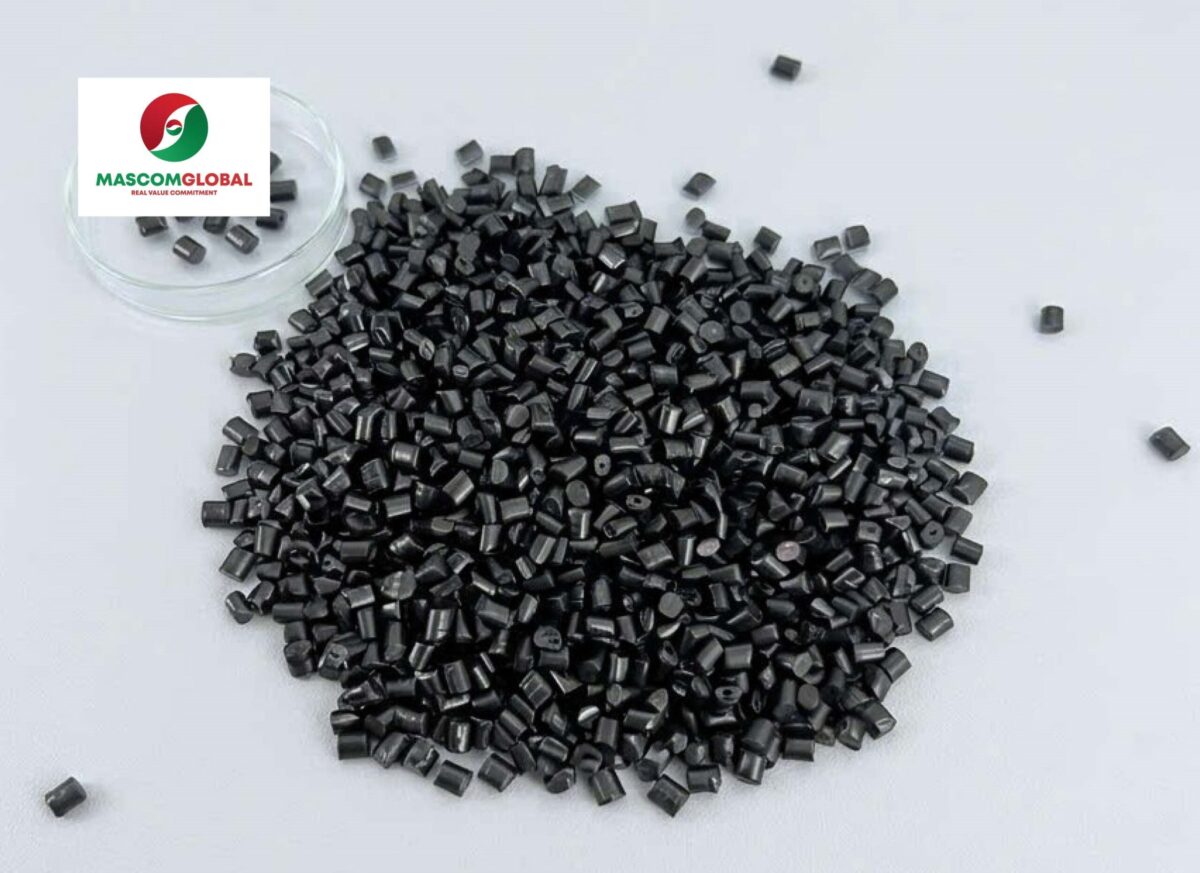
Carbon black masterbatch is a concentrated mixture of carbon black pigment and a carrier resin, typically supplied in pellet form. During plastic manufacturing, these pellets are blended with natural polymer resin to achieve the required black color and functional properties.
Depending on the formulation, carbon black masterbatch can offer several advantages:
- Excellent black coloration: Provides consistent color intensity and appearance.
- UV protection: Helps protect suitable plastic formulations from ultraviolet radiation and weathering.
- Improved product consistency: Supports uniform pigment distribution when properly formulated and processed.
- Processing efficiency: Makes pigment handling and dosing easier than using loose carbon black powder.
- Versatility: Can be developed for polyethylene (PE), polypropylene (PP), and other compatible polymer systems.
The final performance depends on carbon black grade, pigment concentration, carrier resin, dispersion quality, and the intended application. Not every black masterbatch provides the same level of UV protection, conductivity, or mechanical performance.
2. Major Applications of Carbon Black Masterbatch
Carbon black masterbatch is used across many industrial sectors because it combines black coloration with formulation-dependent functional benefits.
- Packaging: Used in plastic bags, containers, caps, and other packaging products where uniform color and opacity are important.
- Agriculture: Used in agricultural films, irrigation pipes, and other outdoor plastic products requiring suitable weathering resistance.
- Construction: Applied in polyethylene pipes, protective sheets, cable ducts, and other building materials.
- Automotive: Used in selected interior and exterior plastic components where color consistency and durability are essential.
- Electrical and cable industries: Specialized formulations can provide UV protection or electrical conductivity, depending on their composition and design.
- Consumer products: Used in household items, storage products, and molded plastic components requiring an attractive, consistent black finish.
Manufacturers should select the formulation according to the product's end use rather than assuming that all black masterbatches provide identical properties.
3. How to Choose a Reliable Carbon Black Masterbatch Manufacturer
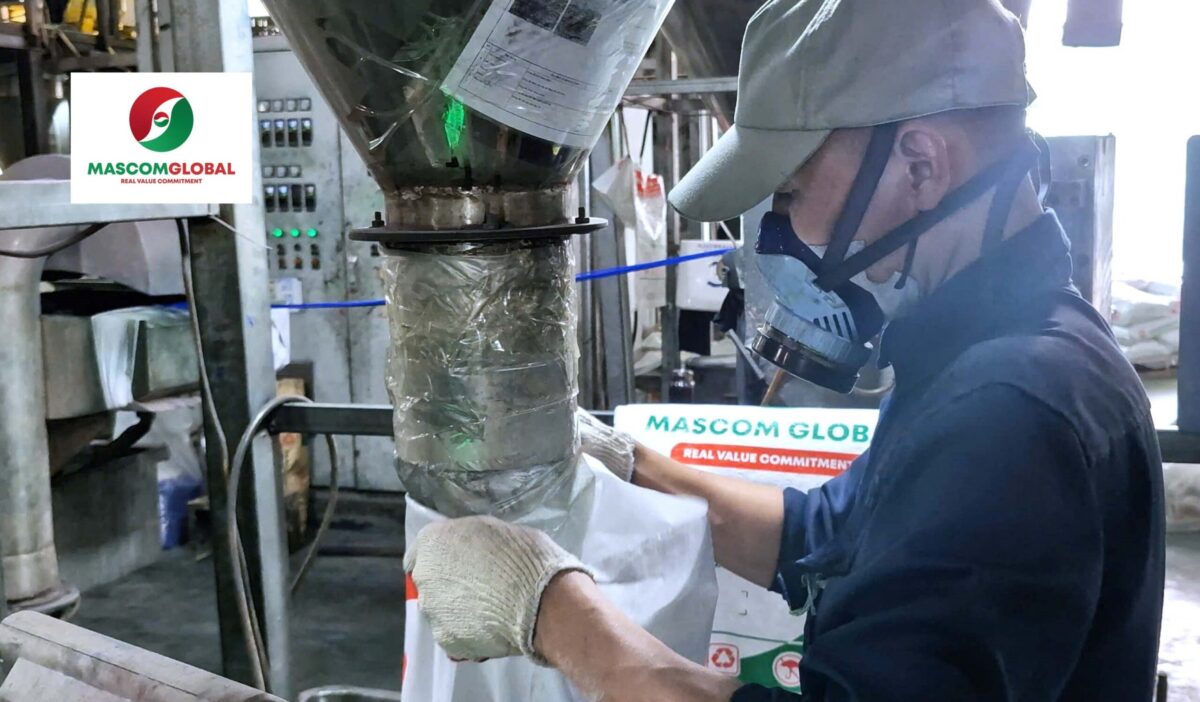
Global sourcing has become an important strategy for plastic manufacturers seeking reliable raw materials, competitive pricing, and consistent product quality. Working with international carbon black masterbatch manufacturers allows businesses to compare different formulations, pigment concentrations, technical specifications, and supply capabilities before making purchasing decisions.
When evaluating overseas suppliers, buyers should consider not only the quoted price but also transportation costs, import duties, payment terms, delivery schedules, and after-sales technical support. A supplier offering competitive pricing may not necessarily provide the lowest overall production cost if its products require higher dosage levels or cause processing difficulties.
Building long-term partnerships with reputable manufacturers can also help companies maintain stable production and respond more effectively to changing market demand. For businesses in Southeast Asia, including Vietnam, cooperation with international and regional suppliers can create opportunities to diversify sourcing channels and improve supply chain resilience.
Ultimately, successful sourcing depends on balancing product performance, total cost, technical assistance, and delivery reliability. By conducting proper supplier assessments and product trials, plastic manufacturers can identify carbon black masterbatch solutions that meet their quality standards and long-term business objectives.
The following factors deserve particular attention:
- Carbon black concentration: Check the pigment loading and recommended let-down ratio to calculate the actual cost per finished product.
- Dispersion quality: Good dispersion helps minimize visible defects, specks, and uneven coloration.
- Carrier resin compatibility: The carrier should be appropriate for the base polymer, such as PE or PP, and the intended processing method.
- UV and weathering performance: For outdoor applications, request test data relevant to the expected exposure conditions.
- Mechanical and electrical requirements: Verify whether the formulation affects impact strength, tensile properties, resistivity, or other critical characteristics.
- Quality assurance: Request technical data sheets, certificates of analysis, safety documentation, and batch traceability where applicable.
- Supply reliability: Evaluate production capacity, minimum order quantities, delivery times, and local technical support.
- Sustainability: If recycled plastics are involved, confirm that the grade has been tested with the intended recycled resin and that any sustainability claims are adequately documented.
It is advisable to obtain samples and conduct production trials before placing large-volume orders.
4. Global Market Trends and Future Opportunities
The global black masterbatch industry is influenced by increasing demand for durable plastic products, improved processing efficiency, and more specialized material performance. Manufacturers are investing in formulation development, quality control, and solutions tailored to different polymer systems.
One important area is the development of black masterbatches compatible with recycling processes. Conventional carbon black pigmentation can interfere with near-infrared (NIR) sorting systems used in some recycling facilities. Specialized detectable black formulations are therefore relevant to packaging designers seeking to improve sorting and recycling outcomes. Suitability must be confirmed for the specific resin, product design, and recycling infrastructure.
Other opportunities include higher-dispersion formulations, customized pigment concentrations, better processability, and products designed for demanding outdoor applications. Regional sourcing and technical collaboration are also important, especially for manufacturers seeking shorter delivery times and more responsive customer service.