Blog
PP Reprocessed Granules: Composition, Uses & Application Methods
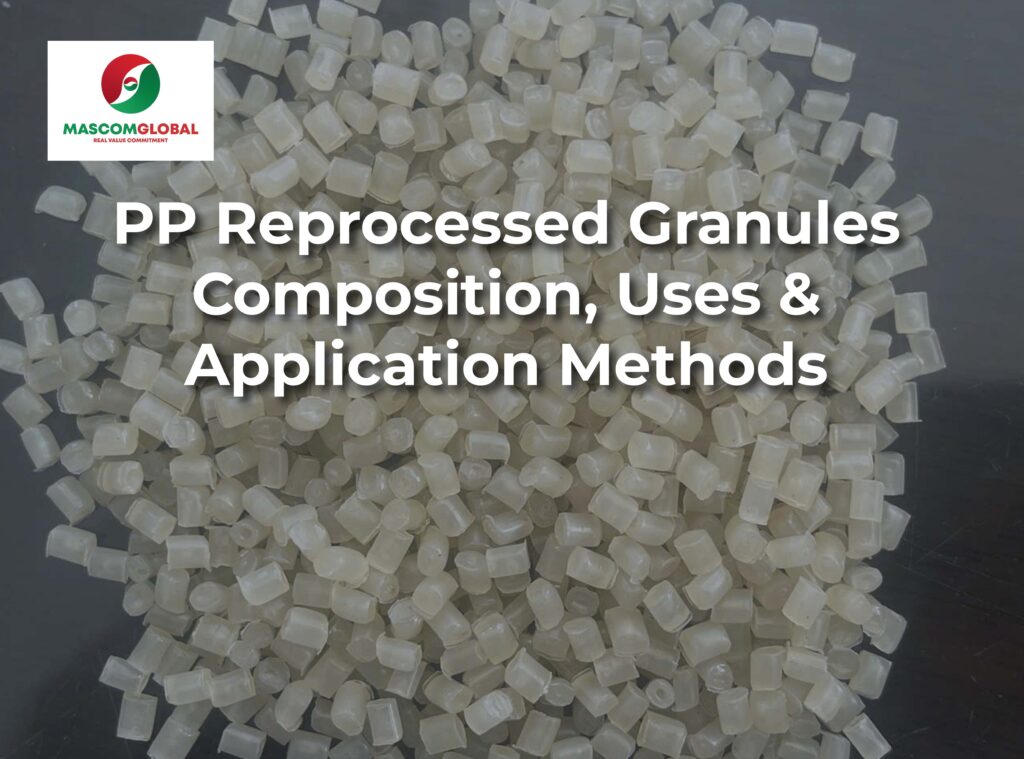
In the plastics industry, PP Reprocessed Granules have become an economical, efficient, and environmentally friendly solution. These recycled plastic granules not only help reduce raw material costs, but also minimize plastic waste, opening up a wide range of applications in modern plastic manufacturing. To use them effectively, manufacturers must understand the nature, composition, uses, and proper application methods of recycled PP.
1️⃣ What Are PP Reprocessed Granules?
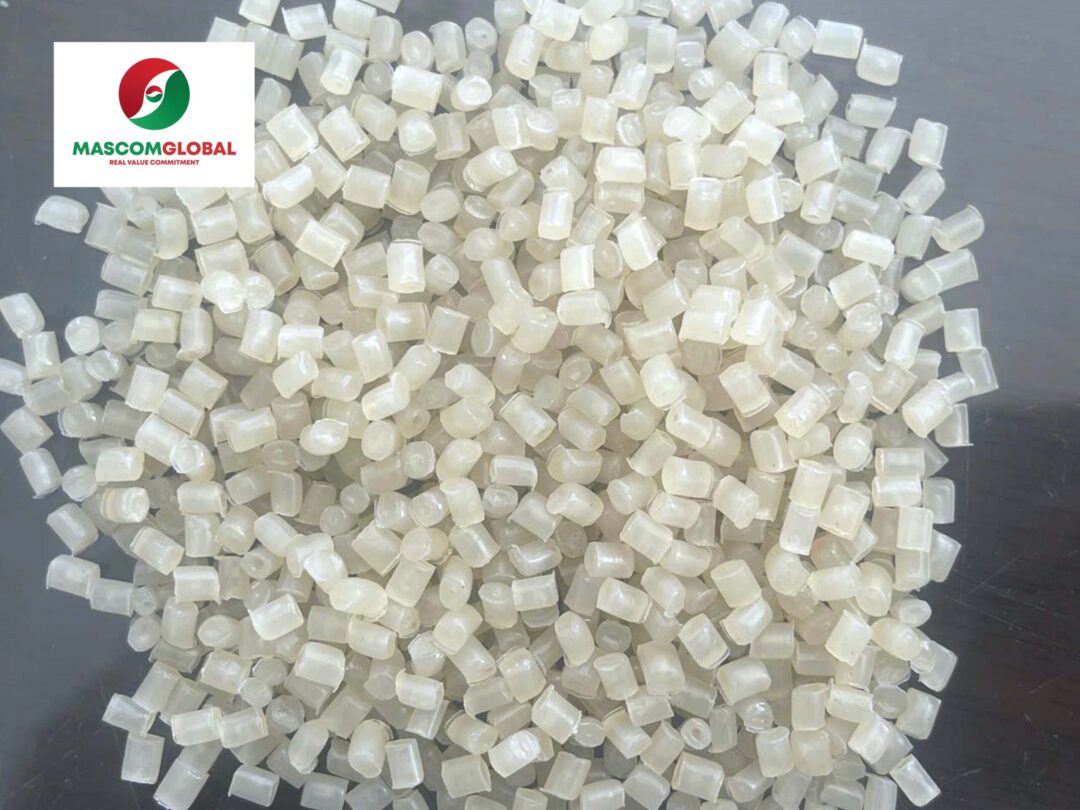
PP Reprocessed Granules are polypropylene pellets recovered from post-consumer plastic products or production scrap. These pellets undergo recycling, cleaning, grinding, and re-extrusion into uniform granules, ready to be used in new plastic products.
Compared to virgin PP, recycled PP may contain residual fillers or additives, so it is essential to evaluate mechanical properties, thermal stability, and overall quality before production.
Key benefits include:
- Reducing raw material costs compared to virgin PP, typically 10 – 30% savings depending on the source and blend ratio.
- Supporting green manufacturing goals and environmental sustainability.
- Suitable for a wide range of plastic applications that do not require high mechanical performance, such as films, containers, interior parts, packaging, and fibers.
2️⃣ Composition of PP Reprocessed Granules
A standard batch of PP reprocessed granules usually consists of:
- Polypropylene base (PP): about 80 – 95%, depending on the source material.
- Optional fillers: such as CaCO₃, talc, or silica, which increase stiffness, reduce shrinkage, and lower production costs.
- Residual additives: UV stabilizers, antioxidants, lubricants, and colorants from previous products.
- Low moisture content (<0.3%): Recycled PP must be dried before injection, extrusion, or blow molding to ensure product quality.
🔹 Note: The quality of recycled PP largely depends on the source material and recycling process. Reliable sources ensure performance close to virgin PP.
3️⃣ Applications of PP Reprocessed Granules
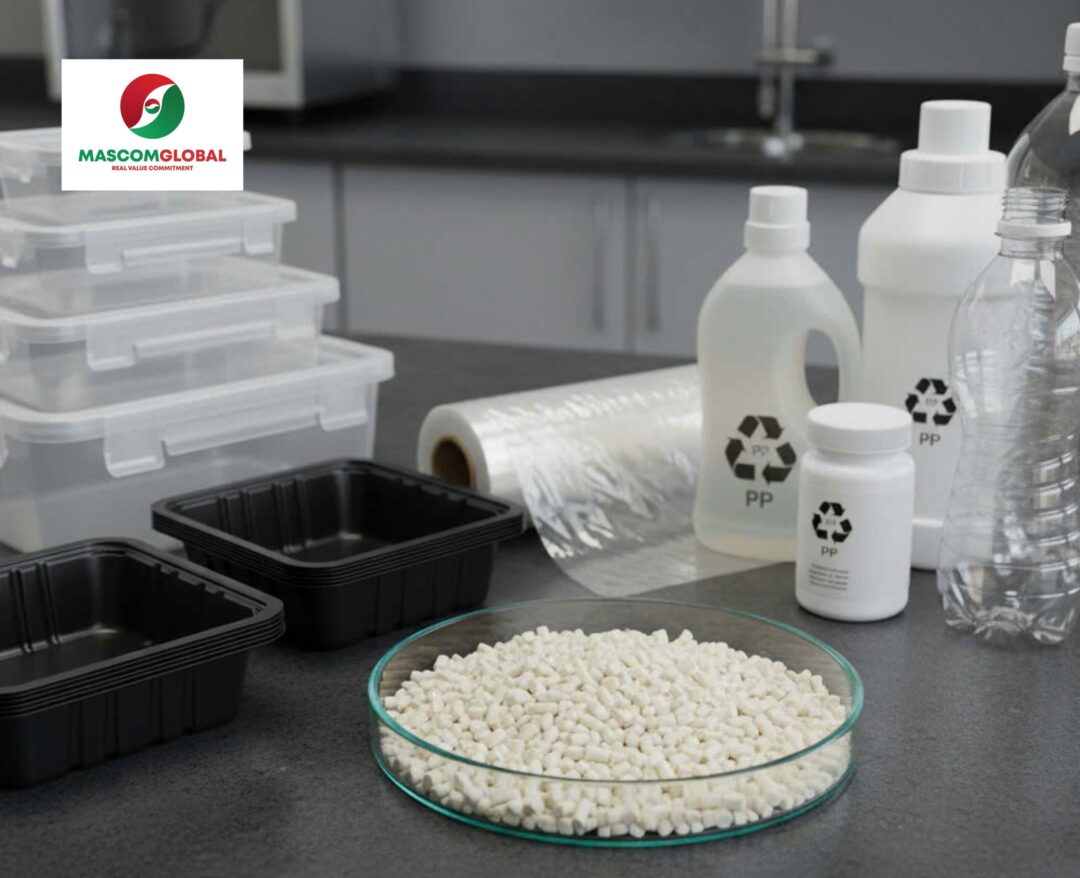
PP Reprocessed Granules are versatile and cost-effective, suitable for multiple plastic applications:
| Application | Purpose / Use |
| Injection Molding | Manufacturing plastic boxes, trays, household items, and industrial components. |
| Extrusion Film / Sheet | Agricultural films, packaging films, liner films. |
| Blow Molding | Bottles, cans, drums, and containers. |
| PP Woven Sack / Raffia | Fibers for woven sacks, agricultural and industrial packaging. |
| Non-Woven Fabric | Fibers for bags, non-woven textiles, and filtration materials. |
Advantages of using recycled PP:
- 💰 Cost savings in raw material and overall production.
- ♻️ Environmentally friendly, reducing plastic waste.
- ⚙️ Easily blended with virgin resin or filler masterbatch to enhance mechanical properties when needed.
4️⃣ How to Use PP Reprocessed Granules
To achieve optimal performance, follow these steps when using recycled PP:
- Dry the granules before processing: recommended drying temperature is 80 – 90°C for 4 – 6 hours to reduce moisture content.
- Blend with virgin PP: common ratios are 20 to 50% recycled PP + 50 to 80% virgin PP, balancing cost savings and mechanical performance.
- Add fillers or additives if necessary: to increase stiffness, reduce shrinkage, enhance UV stability, or prevent static.
- Control processing temperature and screw speed: recycled PP may contain impurities, and excessive heat can cause oxidation or color changes.
- Conduct trial runs before full-scale production: assess flexibility, mechanical strength, color, and dispersibility to determine the optimal blend.
5️⃣ Practical Operation & Testing Considerations
- Source control: Choose recycled PP granules with a clear origin, high purity, and good dispersibility.
- Small batch trials: Evaluate mechanical properties, flexibility, color, printability, and film drawability.
- Adjust blend formulations: For products requiring higher strength, increase virgin PP ratio or add filler masterbatch.
- Monitor extrusion or molding process: Adjust temperature, screw speed, and pressure to prevent hot spots, deformation, or air voids.
- Regular quality evaluation: Monitor strength, flexibility, gloss, and dispersibility to ensure the final product meets technical specifications.
🌍 Conclusion
PP Reprocessed Granules offer a smart, cost-effective, and sustainable solution for the plastics industry. When sourced from reliable suppliers and used correctly, recycled PP can deliver performance close to virgin PP, reduce production costs, and contribute to environmental protection.
At Mascom Global, we provide high-quality PP Reprocessed Granules, strictly controlled for mechanical performance, moisture content, and dispersibility, helping customers achieve optimal results across all plastic applications.
🌟 Mascom Global – Real Value Commitment.
Contact us today for detailed technical consultation and tailored solutions for PP Reprocessed Granules.
