[MASCOM GLOBAL] In the plastics manufacturing industry, Black PP (Polypropylene) Masterbatch is one of the most widely used color concentrates. Designed to impart a deep, uniform black color while improving structural stability and resistance to environmental factors, this additive is essential across automotive, packaging, agriculture, and consumer goods sectors.
Understanding the right applications and maintaining the optimal usage ratio is critical to achieving high product quality while optimizing production costs. Furthermore, selecting high-grade masterbatches ensures that mechanical properties such as tensile strength, melt flow index (MFI), and elongation at break remain uncompromised during high-speed processing.
What is Black PP Masterbatch?
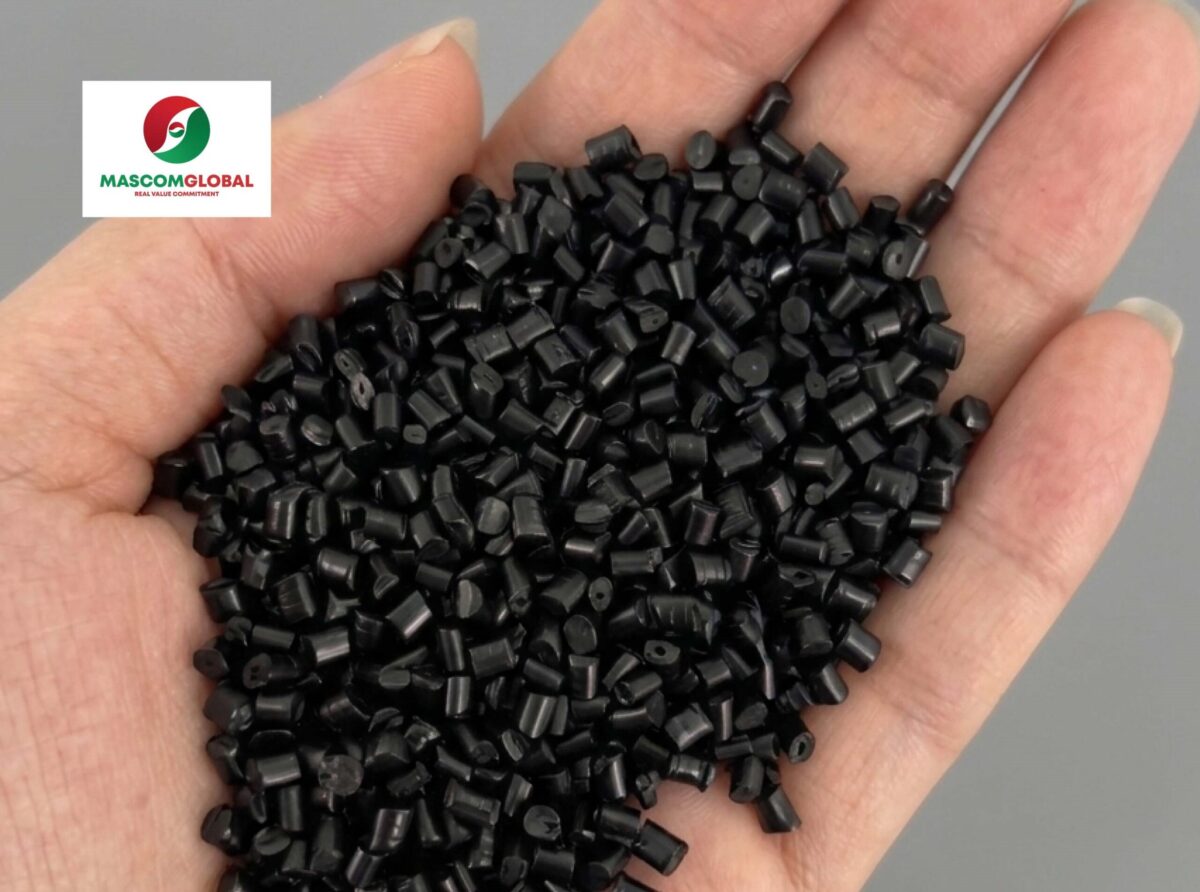
Black PP Masterbatch is a concentrated mixture containing high-grade Carbon Black powder, Polypropylene (PP) carrier resin, and specialized processing additives. The fine dispersion of carbon black within the PP carrier ensures seamless blending during extrusion, injection molding, or blow molding processes.
Beyond providing intense pigmentation, quality Black PP masterbatch offers key technical benefits:
- UV Resistance: Protects plastic products from degradation and chain scission caused by prolonged sunlight exposure.
- Thermal Stability: Withstands high thermal conditions during high-speed manufacturing without volatile outgassing.
- Opacity & Coverage: Delivers high tinting strength with minimal dosage, ensuring complete hiding power even in thin films
Common Applications of Black PP Masterbatch
Due to the versatility and chemical resistance of Polypropylene, Black PP masterbatch is integrated into numerous industrial and commercial products:
- Automotive Components
Polypropylene is heavily used in automotive manufacturing to reduce vehicle weight and improve fuel efficiency. Black PP masterbatch provides the UV durability and rich black finish required for bumpers, interior dashboards, door trims, wheel arch liners, and engine covers.
- Industrial & Consumer Packaging
From heavy-duty industrial crates to daily household containers, Black PP delivers an attractive, opaque finish that conceals recycled materials and shields contents from light. Common items include:
- Storage boxes, crates, and pallets
- Plastic caps, closures, and containers
- PP woven bags and FIBC jumbo bags
- Agricultural Solutions
Agricultural products must endure long-term exposure to harsh outdoor elements. Black PP masterbatch is crucial for manufacturing mulch films, irrigation pipes, shade nets, and nursery pots, as the carbon black absorbs UV radiation and prevents plastic embrittlement.
- Electronics and Appliances
Black PP is extensively applied in household appliances (washing machine housings, vacuum cleaner bodies) and electronic enclosures due to its electrical insulation properties, sleek appearance, and heat resistance.
Optimal Usage Ratios for Black PP Masterbatch
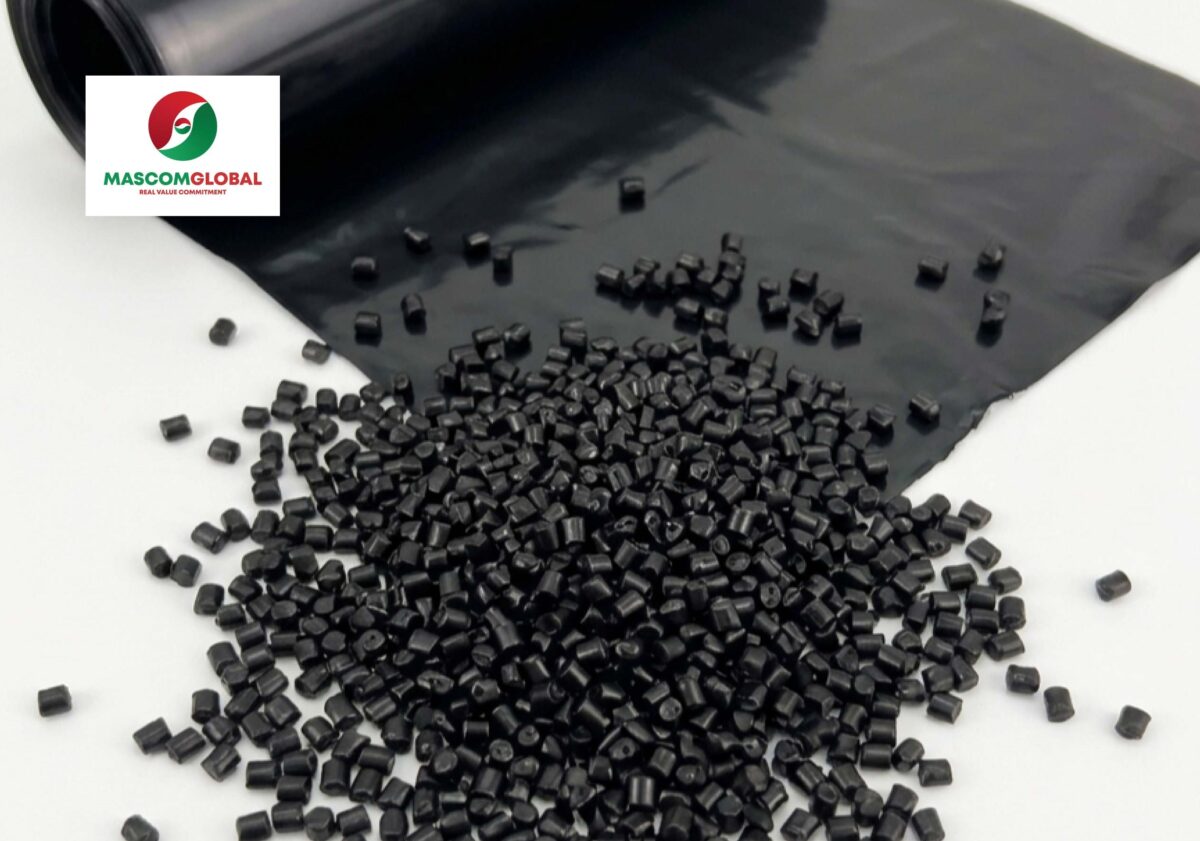
Determining the precise usage ratio (let-down ratio or dosage) depends on several factors:
- The desired color intensity and opacity.
- The thickness of the final plastic product.
- Specific functional requirements (e.g., UV protection level).
| Application Type | Product Thickness | Recommended Ratio | Primary Objective |
| Thin Films & Woven Bags | Very Thin (< 0.05 mm) | 2% - 4% | High opacity & smooth color distribution |
| Injection Molding | Medium to Thick | 1% - 3% | Deep black aesthetics & cost efficiency |
| Pipes & Outdoor Products | Thick Wall | 3% - 5% | Enhanced UV resistance & weatherability |
| Recycled Resin Blends | Variable | 2% - 4% | Color consistency & mask impurities |
Pro Tip: Always perform a sample run to verify color dispersion, melt flow index, and tensile strength before committing to full-scale production. Testing small batches helps mitigate risks related to machine filter clogging or uneven pigment distribution.
Key Factors to Consider When Choosing Black PP
To achieve the best results and maintain long-term product integrity, manufacturers must carefully evaluate these material parameters:
- Carbon Black Concentration: High-end masterbatches typically contain 20% to 50% Carbon Black. Higher concentrations allow lower dosage rates, lowering overall per-unit masterbatch consumption.
- Particle Size & Dispersion: Finer carbon black particles yield better Jetness (color depth) and UV protection, but require superior dispersion to prevent streaking or clogging processing filters.
- Carrier Resin Compatibility: Ensure the masterbatch carrier resin matches or is fully compatible with your base PP polymer to avoid delamination, weak mechanical properties, or interfacial separation.
Conclusion
Black PP Masterbatch is a cost-effective, high-performance solution for coloring and protecting polypropylene products. By matching the correct carbon black concentration and dosage ratio with your specific application, manufacturers can maximize product performance while maintaining cost efficiency and strict quality standards.