Plastic antioxidant selection is critical for preserving polymer integrity, preventing thermal degradation, and extending product lifespan. In the plastics manufacturing industry, choosing the correct stabilization package directly impacts processability, color retention, and long-term durability. However, with numerous primary and secondary antioxidants available - such as hindered phenols, phosphites, and thioethers - identifying the ideal additive for your specific application can be challenging.
This comprehensive guide walks you through the essential factors to consider when choosing the correct plastic antioxidant.
Why Do Plastics "Age" and Become Brittle?
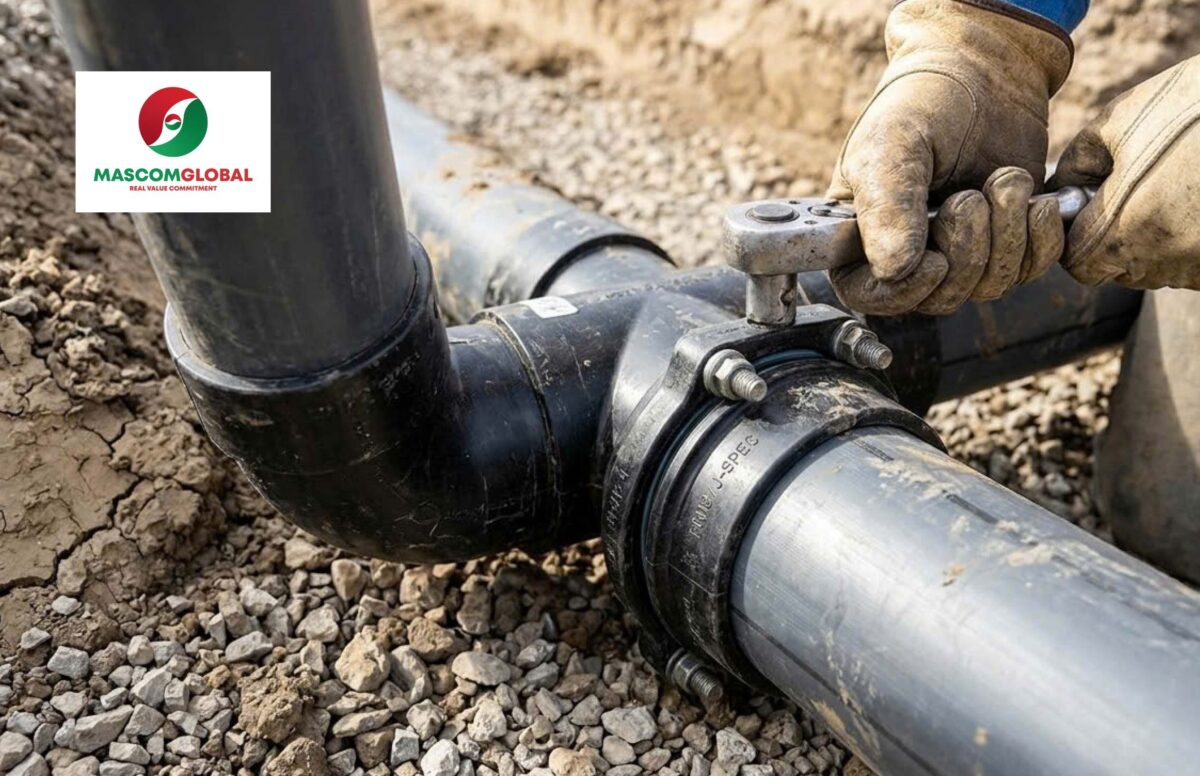
(Illustrative purpose only)
Virgin polymers (such as PE, PP, ABS, and PS) consist of long, durable molecular chains. However, these chains are highly vulnerable to degradation during two critical phases:
- High-Temperature Processing (200°C - 300°C): Intense heat inside the extruder barrel or injection molding machine breaks polymer bonds, creating highly reactive "free radicals" (R*). These radicals quickly react with oxygen, triggering an aggressive chain reaction that degrades the melt before it even leaves the mold.
- End-Use Outdoor Exposure: Sunlight, UV radiation, and ambient heat continuously attack the plastic surface over time. This leads to yellowing, loss of surface gloss, micro-cracking, and structural failure.
Without protective additives, finished plastic goods suffer severe quality degradation - leading to costly product recalls and brand damage.
The Dual-Layer Defense System of Plastic Antioxidant
To combat this multi-stage degradation, plastic antioxidants are divided into two complementary groups:
- Primary Antioxidants (Long-Term Thermal Protection)
- Mechanism: Scavenges free radicals as soon as they form, immediately interrupting the degradation chain reaction.
- Key Compounds: Sterically hindered phenols (such as Antioxidant 1010 and Antioxidant 1076).
- Role: Protects the finished product throughout its entire service life - especially under outdoor exposure, heat, and air contact.
- Secondary Antioxidants (Processing Thermal Defense)
- Mechanism: Decomposes harmful peroxide hydroperoxides (ROOH) into stable, non-reactive compounds, preventing polymer chain scission or cross-linking during processing.
- Key Compounds: Phosphites (such as Antioxidant 168).
- Role: Shields the polymer matrix against thermal damage during high-temperature melting, extrusion, film blowing, or injection molding.
Expert Tip from Mascom: Instead of using a single antioxidant, polymer processors typically combine Primary and Secondary antioxidants in a 1:1 or 1:2 ratio (known as a Binary Blend, such as Antioxidant 225). This synergy offers comprehensive protection from raw compounding to end-consumer use.
How to Select the Right Plastic Antioxidant Dosage for Your Application
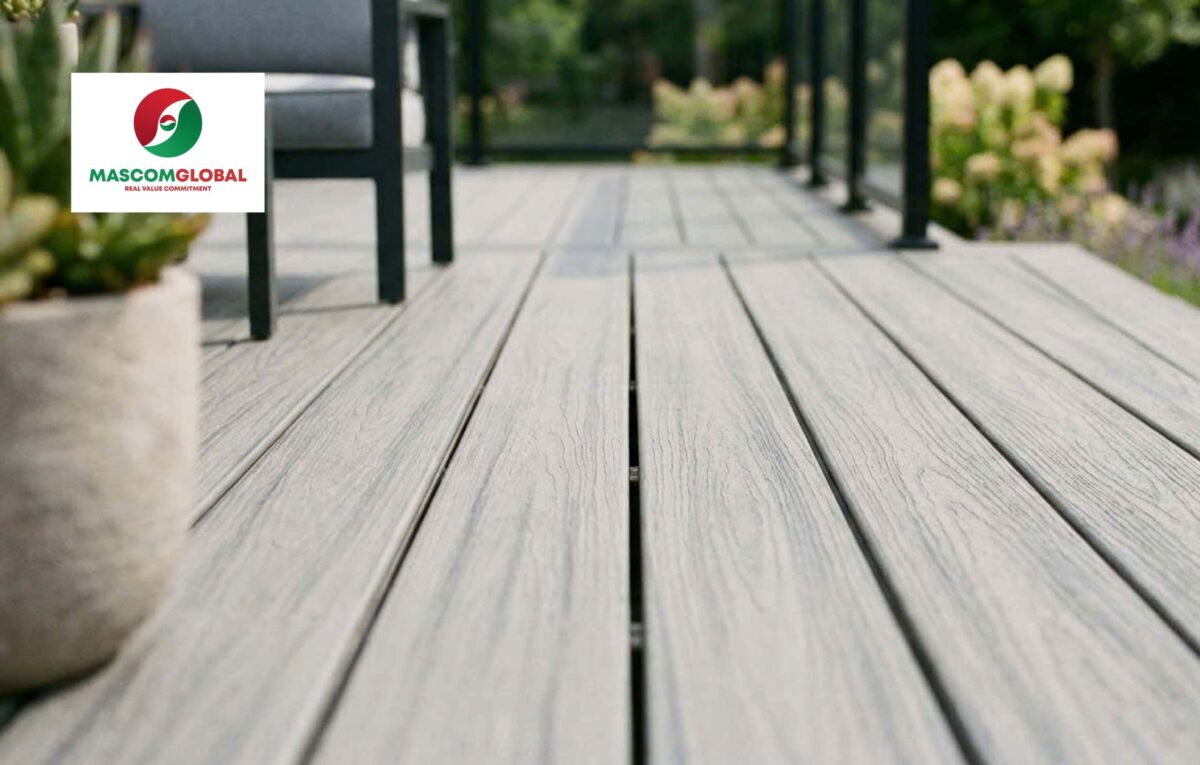
(Illustrative purpose only)
Plastic Antioxidant dosage requirements vary depending on the base polymer, machine technology, and final product requirements:
- For Virgin Polymers (PP, PE, ABS): A minimal let-down ratio (approx. 1 to 2 kg of additive per 1,000 kg of resin) is sufficient to maintain clarity, strength, and process stability.
- For Recycled Plastics (Regrind / PCR): Because recycled plastic has already undergone thermal history, its polymer chains are partially degraded. Adding a higher concentration of antioxidants is essential to "restore" polymer integrity and prevent brittleness during re-processing.
- For Outdoor Products: Plastic antioxidants should be paired with HALS (Hindered Amine Light Stabilizers) or UV absorbers to build a complete weather-resistant protection matrix.
Antioxidant Masterbatch Solutions by Mascom Global
Handling pure antioxidant powders presents operational challenges in factory environments: powders create dust hazards, are difficult to dose accurately at ultra-low ratios, and can disperse unevenly in mixing hoppers.
To solve these challenges, Mascom Global manufactures high-grade Antioxidant Masterbatches (concentrated polymer pellet form):
- Effortless Hopper Dosing: Pure active antioxidants are encapsulated into a carrier resin pellet. Simply feed them directly into your hopper alongside virgin resin at low let-down ratios.
- 100% Uniform Dispersion: Advanced twin-screw compounding ensures complete dispersion throughout the polymer matrix, eliminating specks, fish-eyes, or unblended gel spots.
- Certified for Global Export: Fully certified under ISO 9001:2015, RoHS, and REACH directives - making it fully compliant for food-contact packaging and medical devices exported to the US, EU, and Japan.
Elevate Your Plastic Product Durability Today!
Don't let thermal degradation, yellowing, or brittleness undermine your product quality. Contact Mascom Global today for specialized technical consultations and to claim your free trial masterbatch samples!