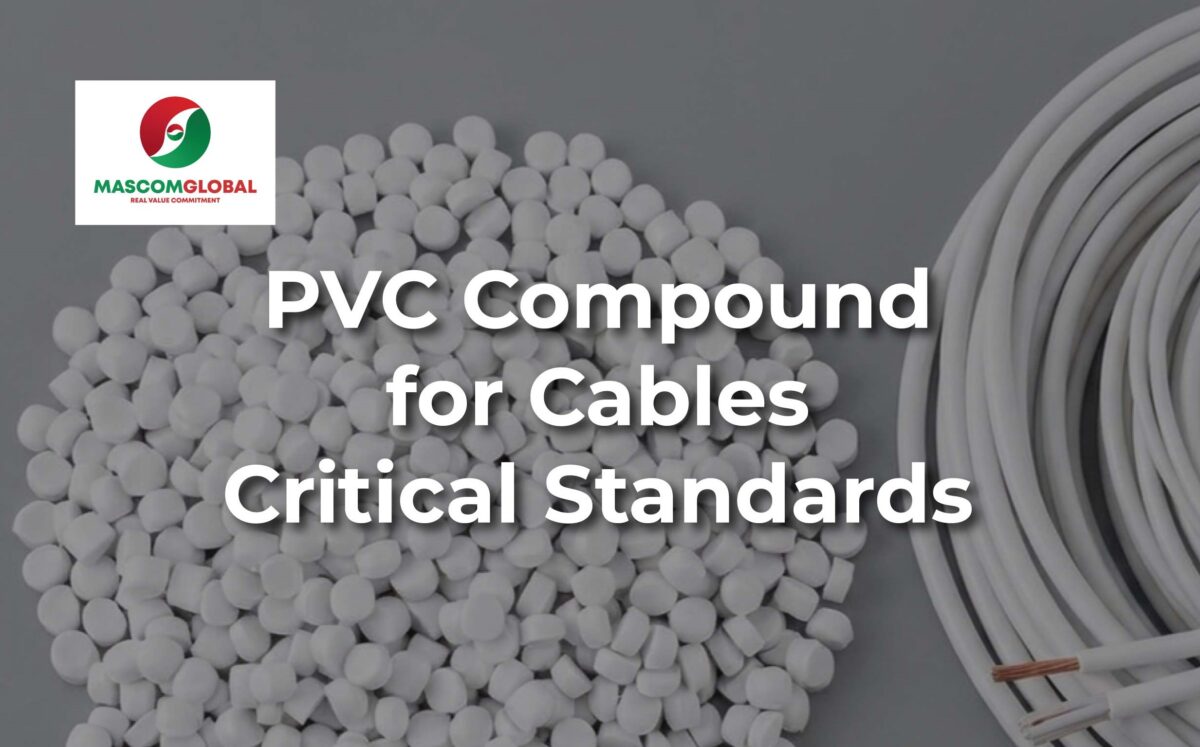
PVC compound is commonly used in the production of electrical wires, power cables, control cables, and communication cables. However, not all PVC compounds are suitable for cable applications. Electrical cables must operate safely under different environmental conditions, temperatures, mechanical stresses, and electrical loads. Therefore, PVC cable compounds need to meet specific technical requirements to ensure reliable insulation, long-term performance, and user safety.
Understanding the basic standards for PVC compounds is essential for cable manufacturers when selecting raw materials, evaluating suppliers, and controlling product quality.
This article introduces the major international standards and key technical properties that manufacturers should consider when choosing PVC compounds for cable production.
1. Major International Standards for PVC Cable Compounds
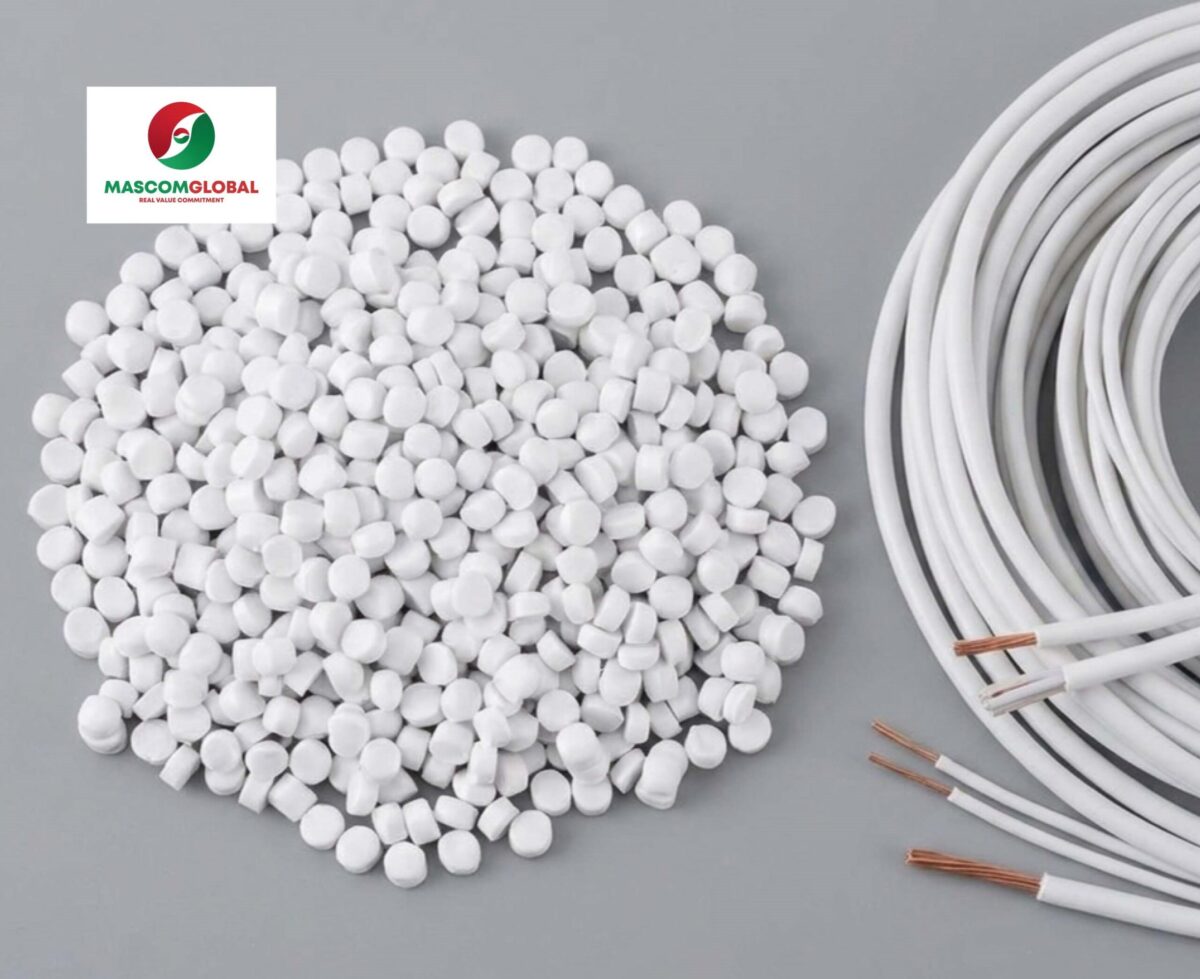
Several international standards are commonly applied to PVC-insulated cables and their materials. The applicable standard depends on the cable's voltage rating, intended application, insulation or sheath function, and target market.
1.1. IEC 60502 - Power Cables with Extruded Insulation
- IEC 60502 is one of the important international standards for power cables with extruded insulation.
- IEC 60502-1: Applies to power cables rated at 1 kV and 3 kV, covering cable construction, dimensions, and testing requirements.
- IEC 60502-2: Covers power cables rated from 6 kV to 30 kV.
For PVC cable compounds, IEC 60502 specifies requirements for insulating and sheathing materials, including mechanical properties, thermal ageing performance, and resistance to different environmental conditions.
Common PVC compound classifications include:
PVC/A: PVC insulation compound used in power cable applications.
- ST1: PVC sheathing compound with a maximum normal operating conductor temperature of 80°C.
- ST2: PVC sheathing compound with a maximum normal operating conductor temperature of 90°C.
These classifications help cable manufacturers select appropriate PVC materials according to cable design and operating conditions.
1.2. IEC 60227 - PVC Insulated Cables with Rated Voltages up to 450/750 V
IEC 60227 is another important standard covering PVC-insulated cables with rated voltages up to and including 450/750 V.
It applies to various types of low-voltage cables commonly used in residential buildings, commercial facilities, electrical equipment, and industrial installations.
- The standard addresses requirements such as:
- Conductor construction and cable dimensions.
- Insulation thickness.
- Electrical insulation performance.
- Mechanical properties of insulation.
- Voltage withstand and other electrical tests.
PVC compounds used for these cables must provide consistent insulation performance and maintain their mechanical properties throughout the expected service life.
1.3. IEC 60811 - Test Methods for Cable Insulation and Sheathing Materials
IEC 60811 is a key series of standards describing test methods for insulating and sheathing materials used in electrical and optical cables.
Unlike IEC 60502 and IEC 60227, which specify cable requirements, IEC 60811 focuses on how material properties are tested.
Important testing categories include:
- Tensile strength and elongation at break.
- Thermal ageing in air ovens.
- Pressure tests at high temperatures.
- Low-temperature bending and impact tests.
- Heat shock resistance.
- Loss of mass and other material-specific tests.
These testing methods allow manufacturers and quality control teams to evaluate whether PVC compounds meet the required technical specifications.
1.4. UL Standards - Requirements for the North American Market
For manufacturers targeting the United States and other markets using UL certification, UL standards are also important.
Examples include:
- UL 83: Thermoplastic-insulated wires and cables.
- UL 1581: Reference standard for electrical wires, cables, and flexible cords, including relevant testing procedures.
The applicable UL requirements depend on the cable type and certification category. Cable manufacturers should verify the specific material and finished-cable requirements before selecting a PVC compound.
2. Essential Technical Properties of PVC Cable Compounds
In addition to complying with international standards, PVC compounds must demonstrate several important technical properties to ensure stable performance during cable production and actual operation.
2.1. Tensile Strength and Elongation at Break
Tensile strength measures the maximum stress that a material can withstand before breaking, while elongation at break indicates how much the material can stretch before failure.
These two properties are essential because cable insulation and sheathing must withstand mechanical stress during extrusion, installation, bending, and daily operation.
For example, IEC 60502-1:2021 specifies a minimum tensile strength of 12.5 N/mm² and a minimum elongation at break of 150% for PVC/A insulation compound under its applicable requirements.
A suitable PVC compound should maintain these properties not only before ageing but also after thermal ageing.
2.2. Thermal Stability and Heat Resistance
Electrical cables may operate continuously under elevated temperatures. Therefore, PVC compounds must maintain their mechanical and electrical properties without excessive degradation.
Thermal ageing tests evaluate how materials behave after exposure to high temperatures for a specified period.
For example, PVC cable compounds may be tested under conditions such as 100°C for 168 hours, depending on the material classification and applicable standard.
Important indicators include:
- Changes in tensile strength after ageing.
- Changes in elongation at break.
- Resistance to cracking and deformation.
- Thermal stability during processing.
Good thermal stability helps extend cable service life and reduces the risk of premature material failure.
2.3. Electrical Insulation Properties
Electrical insulation is one of the most critical functions of PVC compounds used in cables.
A good PVC insulation compound should provide:
- High electrical resistivity.
- Suitable dielectric strength.
- Stable insulation resistance.
- Low electrical leakage.
- Reliable performance under the specified operating voltage.
These characteristics help prevent current leakage, short circuits, and electrical failures.
The actual electrical requirements depend on the cable design and applicable product standard. Therefore, manufacturers should evaluate PVC compounds together with the complete cable construction rather than relying only on material-level specifications.
2.4. Low-Temperature Flexibility
Cable installations may be exposed to cold environments, transportation conditions, or outdoor temperatures.
PVC compounds that become too brittle at low temperatures may crack during bending, handling, or installation.
Low-temperature testing evaluates the material's ability to maintain flexibility and resist cracking under specified conditions.
For example, IEC 60502 includes low-temperature tests for relevant PVC insulating and sheathing compounds, with test conditions that can include temperatures around -15°C.
A suitable formulation should provide a balance between hardness, flexibility, and mechanical strength.
2.5. Heat Shock and Resistance to Deformation
During cable operation and processing, PVC materials may experience elevated temperatures.
Heat shock testing evaluates whether insulation or sheathing develops cracks after exposure to specified high-temperature conditions.
Resistance to deformation is also important because excessive softening can reduce insulation thickness and affect the safety of the finished cable.
These properties are particularly relevant for cables exposed to demanding operating environments.
2.6. Flame Retardancy
Fire safety is another important consideration in cable manufacturing.
PVC naturally contains chlorine, which contributes to its flame-retardant characteristics. However, the actual flame performance depends on the complete formulation, including plasticizers, stabilizers, fillers, and other additives.
Cable manufacturers may refer to standards such as IEC 60332 to evaluate the flame propagation characteristics of finished cables.
It is important to understand that passing a material-level flame test does not automatically mean that the finished cable complies with all fire safety requirements.
For applications requiring improved fire performance, manufacturers should select suitable formulations and conduct the relevant finished-cable tests.
3. Important Quality Control Tests Before Using PVC Compounds
Before approving a PVC compound supplier, cable manufacturers should establish a quality control process covering both incoming raw materials and production performance.
The following tests are commonly considered:
- Test
- Purpose
- Tensile strength
- Evaluates mechanical strength
- Elongation at break
- Measures flexibility and stretching ability
- Thermal ageing
Checks performance after heat exposure
- Dielectric strength
- Evaluates electrical insulation capability
- Volume resistivity
- Measures resistance to electrical current leakage
- Low-temperature test
- Checks resistance to cracking in cold conditions
- Heat shock test
- Evaluates resistance to thermal cracking
- Density and hardness
- Supports material consistency and formulation control
- Thermal stability
- Evaluates resistance to heat degradation during processing
Not every test applies to every PVC compound. The testing plan should be established according to the intended cable application and the relevant standard.
4. Factors to Consider When Selecting a PVC Cable Compound Supplier
Choosing the right PVC compound supplier involves more than comparing prices. Cable manufacturers should evaluate several factors to ensure consistent production quality.
Compliance with relevant standards
The supplier should provide technical data sheets (TDS) and test reports demonstrating that the PVC compound meets the applicable IEC, UL, or customer-specific requirements.
Consistent product quality
Stable mechanical properties, electrical insulation performance, and processing characteristics are essential for maintaining consistent cable quality between production batches.
Processing performance
The compound should offer good extrusion performance, stable melt behaviour, and a smooth surface finish. Poor processing characteristics can lead to production defects, inconsistent insulation thickness, and unnecessary material waste.
Technical support
A reliable supplier should be able to provide technical assistance with material selection, formulation adjustments, and troubleshooting during cable production.
Competitive pricing and stable supply
In addition to technical performance, manufacturers should consider long-term supply capacity, delivery reliability, and overall production costs.
5. Conclusion
PVC compound plays an essential role in ensuring the safety, durability, and performance of electrical wires and cables. Selecting the right material requires a clear understanding of international standards such as IEC 60502, IEC 60227, IEC 60811, and relevant UL standards.
Key properties such as tensile strength, elongation at break, thermal stability, electrical insulation, low-temperature flexibility, and flame performance should all be carefully evaluated.
For cable manufacturers, working with a reliable PVC compound supplier is an important step toward maintaining consistent product quality, improving production efficiency, and meeting customer requirements.
At Mascom Global, we understand the importance of material quality and reliable performance in cable manufacturing. By focusing on product consistency and customer requirements, Mascom aims to support manufacturers in finding suitable PVC compound solutions for their specific applications.
Looking for a reliable PVC compound supplier for your cable manufacturing needs? Contact Mascom to discuss your technical requirements and explore suitable material solutions.