
Blog
What are Wood Composites?
[Mascom Global] In an age where natural timber resources are dwindling and environmental regulations are tightening, Wood Composites (also known as Wood-Plastic Composites or WPC) have emerged as the ultimate alternative. More than just a technological advancement in material science, Wood Composites represent a revolution in interior and exterior design. By blending the warm aesthetic of traditional wood with the heavy-duty durability of modern plastics, WPC offers a versatile solution for a sustainable future. This article explores the definition, composition, and technical factors that optimize the production of this exceptional material.
1. Defining Wood Composites
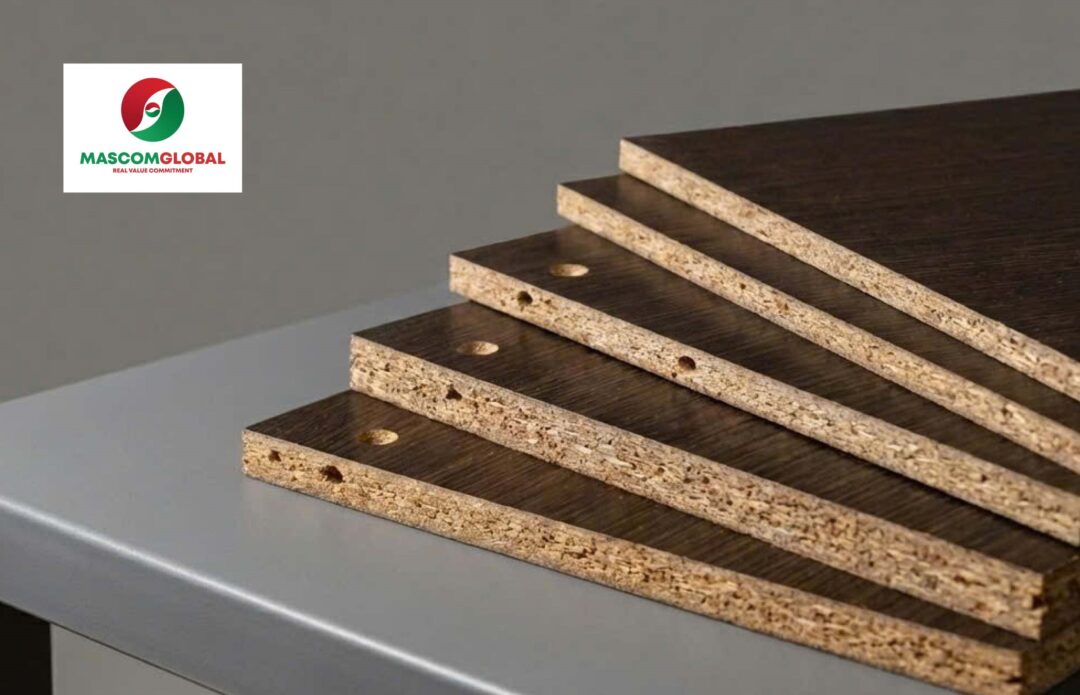
Wood Composites are engineered materials made from a mixture of wood flour (or other natural fibers like rice husks, coconut shells, or bamboo) and thermoplastics (typically PE, PP, PVC, or ABS).
The manufacturing process utilizes extrusion or injection molding to shape the material into various profiles. This combination creates a stable structural bond where the resin encapsulates the wood fibers, shielding them from environmental factors that typically degrade natural wood, such as moisture and UV radiation.
2. Composition and Manufacturing Process
A high-quality Wood Composite product generally consists of three primary elements:
Wood Flour/Fiber: Usually accounting for 50% to 70% of the total weight. This component provides the authentic wood appearance and enhances the rigidity of the final product.
Thermoplastics: Acting as the binding agent, the plastic matrix gives the material its waterproof properties and allows for complex shaping.
Technical Additives: These include coupling agents, UV stabilizers, colorants, and significantly, Filler Masterbatches to optimize physical properties and production costs.
3. Why are Wood Composites Gaining Popularity?
WPC overcomes almost all the inherent weaknesses of natural timber:
100% Water Resistance: Thanks to the plastic encapsulation, WPC does not rot, warp, or develop mold, even in high-moisture environments.
Dimensional Stability: It does not split, crack, or expand significantly due to weather fluctuations.
Low Maintenance: Unlike natural wood, WPC does not require annual painting, staining, or sealing.
Sustainability: WPC can be manufactured using recycled wood waste and recycled plastics, reducing the carbon footprint and diverting waste from landfills.
4. The Application of Filler Masterbatch and Additives in WPC Production
In the extrusion of wood composites, the use of specialized additives is critical to achieving high-quality results.
4.1. The Role of Filler Masterbatch (CaCO3)
Incorporating plastic fillers into the WPC mix provides several technical advantages:
Increased Stiffness: It makes the boards more robust, enabling them to handle higher load-bearing requirements, which is essential for outdoor decking.
Thermal Management: Calcium Carbonate helps regulate temperature during the extrusion process, allowing the product to cool more uniformly and quickly, thus increasing production speeds.
Cost Optimization: Replacing a portion of the base resin with high-quality filler reduces the overall material cost without compromising the structural integrity or the wood-grain aesthetics.
4.2. Coupling Agents
Since plastic is hydrophobic (water-repelling) and wood fiber is hydrophilic (water-attracting), they do not naturally bond well. Coupling agents act as a chemical bridge, ensuring the wood flour and plastic matrix adhere tightly. This significantly improves the tensile and flexural strength of the composite.
5. Real-World Applications
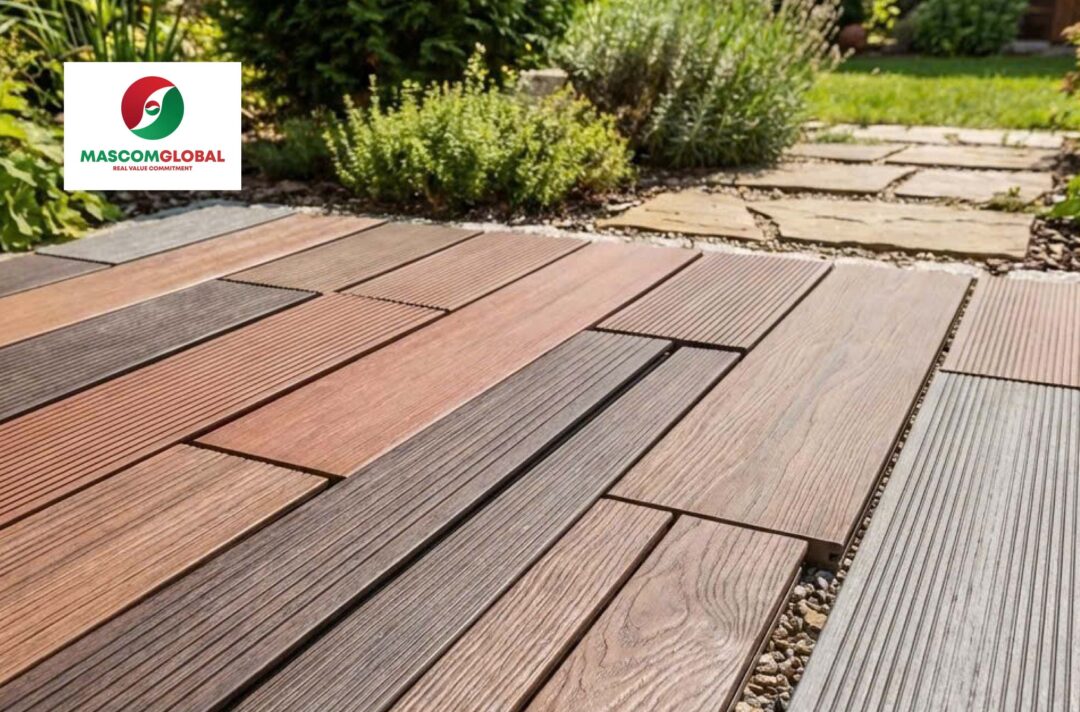
Wood Composites are now ubiquitous in modern architecture:
Exterior Applications: Pool decking, fencing, pergolas, and wall cladding. These products require high UV resistance to prevent fading.
Interior Applications: Internal doors, kitchen cabinets, and flooring. Interior WPC often focuses on fire retardancy and aesthetic finesse.
Industrial Uses: WPC pallets and formwork panels for construction, prized for their reusability and strength.
6. Technical Considerations for Optimal Quality
The production of Wood Composites is a temperature-sensitive process. If the heat is too high, the wood flour may burn, leading to a scorched smell and dark discoloration. If the temperature is too low, the resin will not melt completely, resulting in a rough, uneven surface. Selecting additives with excellent dispersion and compatible melt flow indices (MFI) is vital to achieving a smooth finish and a natural wood-like texture.
Conclusion
Wood Composites represent the future of building materials — a harmonious blend of technology and nature. By intelligently combining wood flour, plastics, and technical additives, we create a material that is not only beautiful and durable but also eco-friendly. For manufacturers, mastering the art of blending and applying additive solutions is the key to leading the way in this high-potential green material market.
