1. What is Flexible PVC Compound?
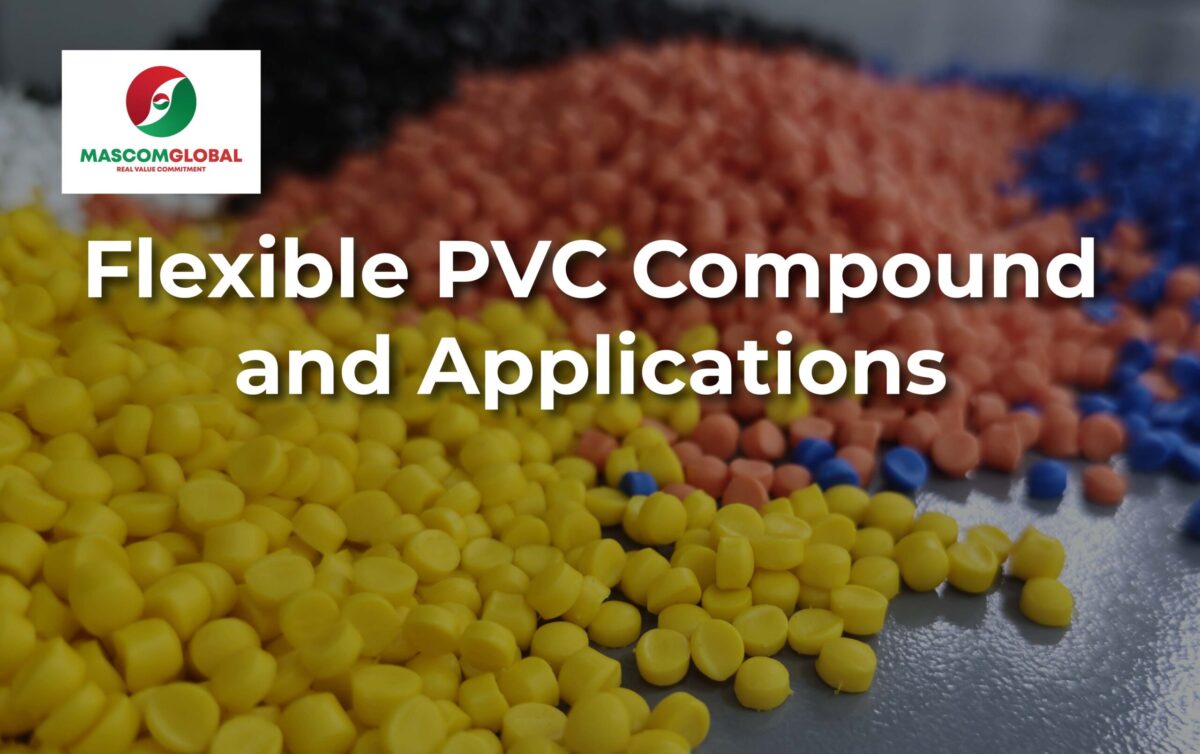
Flexible PVC Compound is a type of PVC that has been blended with plasticizers, stabilizers, fillers, and other additives to create a material that is flexible, elastic, and easier to process compared to rigid PVC Compound. By incorporating plasticizers, Flexible PVC can be bent, stretched, or molded without cracking, while maintaining mechanical strength, chemical resistance, and weather durability. The product is typically produced in the form of compound pellets, ready for extrusion, molding, film blowing, calendering, or other processing methods.
2. Key Components of Flexible PVC Compound
Flexible PVC Compound consists of several components, each contributing to the material’s performance:2.1. PVC Resin
- Serves as the base material, providing mechanical strength and structural integrity.
- Available in fine powder or pellet form, influencing surface smoothness and processability.
2.2. Plasticizers
- Provide flexibility and softness to PVC.
- Common types include DOP (Dioctyl Phthalate), DINP, DIDP, TOTM.
- The proportion of plasticizer typically ranges from 20 – 60% by weight of PVC, determining flexibility and elongation.
- Applications in medical or food-contact products require non-toxic, safe plasticizers.
2.3. Stabilizers
- Prevent thermal, oxidative, or UV degradation of PVC.
- Common types include calcium-zinc stabilizers, organic stabilizers, and mixed metal stabilizers.
- Help maintain color stability, prevent yellowing, and extend product life.
2.4. Fillers
- Reduce cost and enhance mechanical properties, such as CaCO₃, talc, mica.
- Improve rigidity, tensile strength, and processing performance.
- Typical filler content varies by application: 5 – 40% for films, higher for pipes or sheets requiring strength.
2.5. Pigments & Additives
- Pigments: Provide desired color and aesthetic finish.
- Additives: Include UV stabilizers, anti-static agents, flame retardants, lubricants, and processing aids.
- Essential for surface quality, environmental resistance, and long-term performance.
3. Key Features of Flexible PVC Compound
- High Flexibility: Can be bent, stretched, or molded without cracking.
- Thermal and Chemical Resistance: Stable under mild heat and chemical exposure.
- UV and Weather Resistance: Suitable for outdoor applications.
- Ease of Processing: Can be extruded, molded, calendered, blown, or used for wires and tubing.
- Color Customization: Easy to color according to specific application requirements.

4. Applications of Flexible PVC Compound
Flexible PVC Compound is widely used across multiple industries due to its flexibility, durability, and customizable properties.4.1. Construction Industry
- Flexible Pipes and Floor Drains: High mechanical strength, pressure-resistant, and easy to install.
- Flooring, Roofing Sheets, and Waterproof Membranes: Provide wear resistance, slip resistance, and weather durability.
- Electrical Wires & Cables: Flexible insulation, fire-resistant, and long-lasting.
4.2. Medical Industry
- Tubing and IV Bags: Non-toxic, soft, kink-resistant, and safe for medical use.
- PVC Gloves: Flexible, comfortable, and durable for healthcare applications.
4.3. Packaging and Agriculture
- Flexible Packaging Films and Bags: Protect food, chemicals, or medical supplies.
- Waterproof Sheets and Agricultural Films: Durable, weather-resistant, and tear-resistant for outdoor use.
4.4. Automotive and Electronics
- Flexible Hoses and Wiring: Heat-resistant, abrasion-resistant, and electrically insulated.
- Protective Sheathing for Cables and Components: Flexible, durable, and easy to install.
5. Benefits of Using Flexible PVC Compound
- Cost-effective Production: Easy extrusion, molding, and blowing reduce material loss.
- Extended Product Life: Resistant to cracking, breaking, and mechanical stress.
- Customizable Properties: Flexibility, color, UV resistance, flame retardancy, and hardness can be adjusted according to requirements.
- Versatile Applications: Suitable for construction, medical, packaging, automotive, and electronics industries.
6. Considerations When Using Flexible PVC Compound
- Choose the Right Plasticizer: Ensure safety and suitability for the intended application, especially in medical or food-contact products.
- Control Processing Temperature: Avoid overheating to prevent PVC degradation.
- Proper Storage: Protect from moisture, direct sunlight, and high temperatures to maintain