Blog
White Masterbatch Manufacturers for Film Extrusion
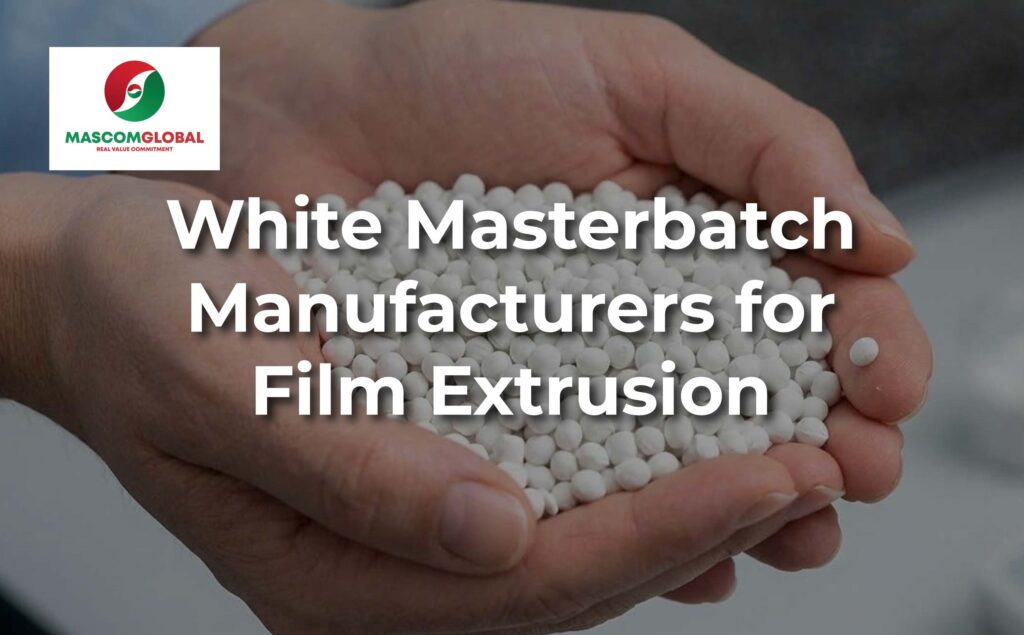
[Mascom Global] In the flexible packaging and plastic film industry, white masterbatch is one of the most widely used color concentrates. It is essential for producing plastic films with high opacity, bright appearance, and consistent quality.
From shopping bags and food packaging to agricultural films and lamination materials, white masterbatch plays a critical role in both visual appeal and functional performance.
As global demand for flexible packaging continues to grow, converters are increasingly looking for reliable white masterbatch manufacturers that can provide consistent quality, stable supply, and technical support.
This guide explores the top 5 global white masterbatch manufacturers for film extrusion, along with key insights into how to choose the right supplier for your production needs.
Global White Masterbatch Market Overview
The global masterbatch market continues to expand rapidly, driven by the growth of the packaging, consumer goods, and agricultural sectors.
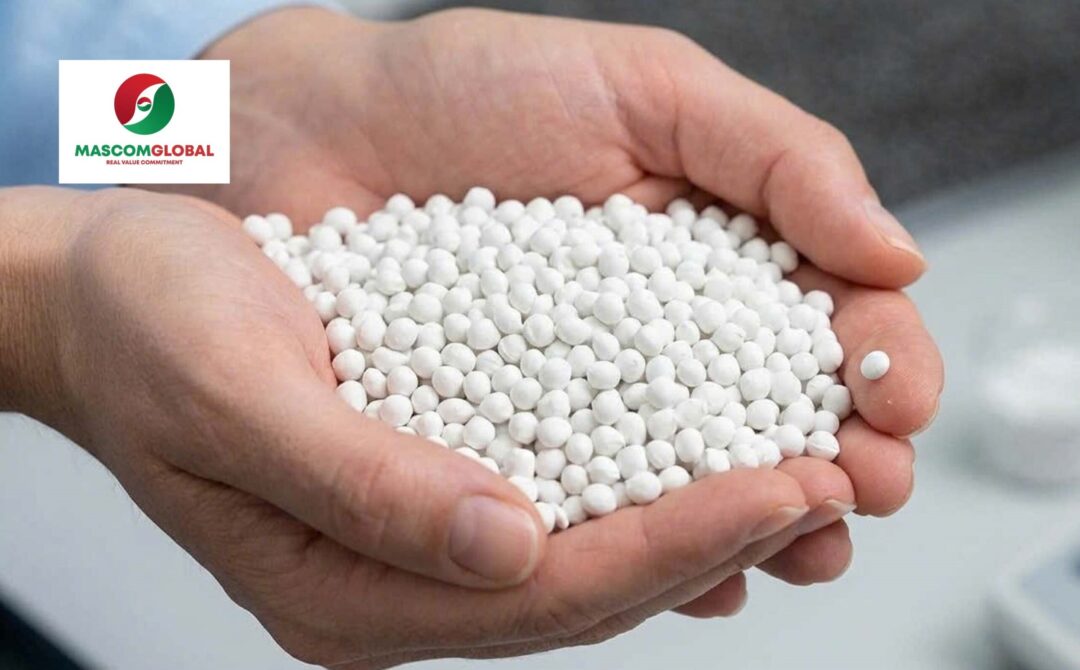
Among all masterbatch colors, white masterbatch holds the largest market share, accounting for roughly 30–35% of total global demand. The reason is simple: white pigments provide high opacity and brightness, making them ideal for film applications where product appearance and protection are important.
Key industry trends include:
- Increasing demand for high-opacity film packaging
- Growing use of multilayer film structures
- Higher requirements for dispersion quality and consistency
- Rising adoption of recyclable and sustainable plastic materials
The Asia-Pacific region has become the fastest-growing market for masterbatch production and consumption, thanks to expanding manufacturing industries in China, Vietnam, India, and Southeast Asia.
What Makes a Good White Masterbatch for Film?
Not all white masterbatch products perform the same. For film extrusion, several technical factors determine the quality of the final plastic film.
- Titanium Dioxide (TiO2) Concentration
The key ingredient in white masterbatch is Titanium Dioxide (TiO2), the pigment responsible for opacity and brightness.
Typical TiO₂ concentrations include:
| Grade | TiO₂ Content | Typical Applications |
| Economy | 30–40% | Garbage bags, industrial liners |
| Standard | 40–55% | Shopping bags, packaging films |
| High Opacity | 60–75% | Food packaging, multilayer film |
| Specialty | 70%+ | Medical or premium packaging |
Higher TiO₂ concentration usually means better opacity and lower dosage during processing.
- Dispersion Quality
One of the most important characteristics of a good masterbatch is pigment dispersion.
Poor dispersion can cause:
- Fish-eye defects
- Gel particles
- Surface streaks
- Film breakage during extrusion
High-quality masterbatch manufacturers invest heavily in advanced twin-screw extrusion technology to ensure the pigment is evenly distributed throughout the polymer carrier.
- Compatibility with Base Resin
White masterbatch must be compatible with the base polymer used in film production, such as:
- LDPE
- LLDPE
- HDPE
- PP
The melt flow index (MFI) of the masterbatch should match the base resin to ensure smooth processing and stable film production.
- Processing Stability
Converters running high-speed film extrusion lines require masterbatch that can:
- Maintain consistent color
- Avoid die build-up
- Prevent filter clogging
- Reduce machine downtime
Reliable suppliers always provide stable formulations and strict quality control.
Top 5 White Masterbatch Manufacturers for Film Extrusion
Based on industry reputation, technical capability, and global supply networks, the following companies are widely recognized as leading white masterbatch suppliers.
Ampacet Corporation
Ampacet is one of the largest and most respected masterbatch manufacturers in the world.
Founded in the United States, the company operates manufacturing facilities across North America, Europe, and Asia, serving major plastic converters globally.
Ampacet is particularly known for its expertise in flexible packaging and multilayer film technology.
Key strengths include:
- High concentration white masterbatch formulations
- Excellent dispersion for thin films
- Strong R&D capability
- Global technical support network
Their premium white grades are widely used in multilayer packaging films and high-end consumer packaging.
Avient Corporation
Avient, formerly known as PolyOne, expanded significantly after acquiring Clariant’s masterbatch business.
Today, Avient is one of the most advanced polymer solution providers in the world, serving industries such as healthcare, packaging, automotive, and electronics.
Their white masterbatch products are widely used in:
- Medical packaging
- Pharmaceutical containers
- High-performance films
Avient is known for:
- Strict regulatory compliance
- High-performance formulations
- Advanced color management systems
For global companies requiring consistent quality across multiple production sites, Avient is often a preferred supplier.
Tosaf Group
Headquartered in Israel, Tosaf Group specializes in high-performance additive and color masterbatches.
The company is particularly strong in agricultural films and specialty packaging materials.
Tosaf’s white masterbatch solutions often combine multiple functionalities, such as:
- UV stabilization
- Anti-fog properties
- High opacity
This makes them popular among manufacturers producing greenhouse films and agricultural covers.
Cabot Corporation
Cabot is widely recognized for its expertise in pigment dispersion technologies.
Although the company is most famous for carbon black products, Cabot has also developed high-quality white masterbatch solutions for industrial applications.
Cabot’s masterbatches are known for:
- Exceptional dispersion performance
- Low filter pressure values
- High processing stability
Their products are frequently used in technical films, geomembranes, and industrial plastic materials where quality consistency is critical.
Plastika Kritis
Plastika Kritis, based in Greece, is both a major film producer and masterbatch manufacturer.
This vertical integration allows them to design masterbatch solutions specifically optimized for film extrusion applications.
Their white masterbatch products are widely used in:
- Agricultural films
- Flexible packaging
- Multilayer film structures
Because they operate their own film production lines, Plastika Kritis has deep understanding of real-world film processing challenges.
Emerging White Masterbatch Manufacturers in Asia
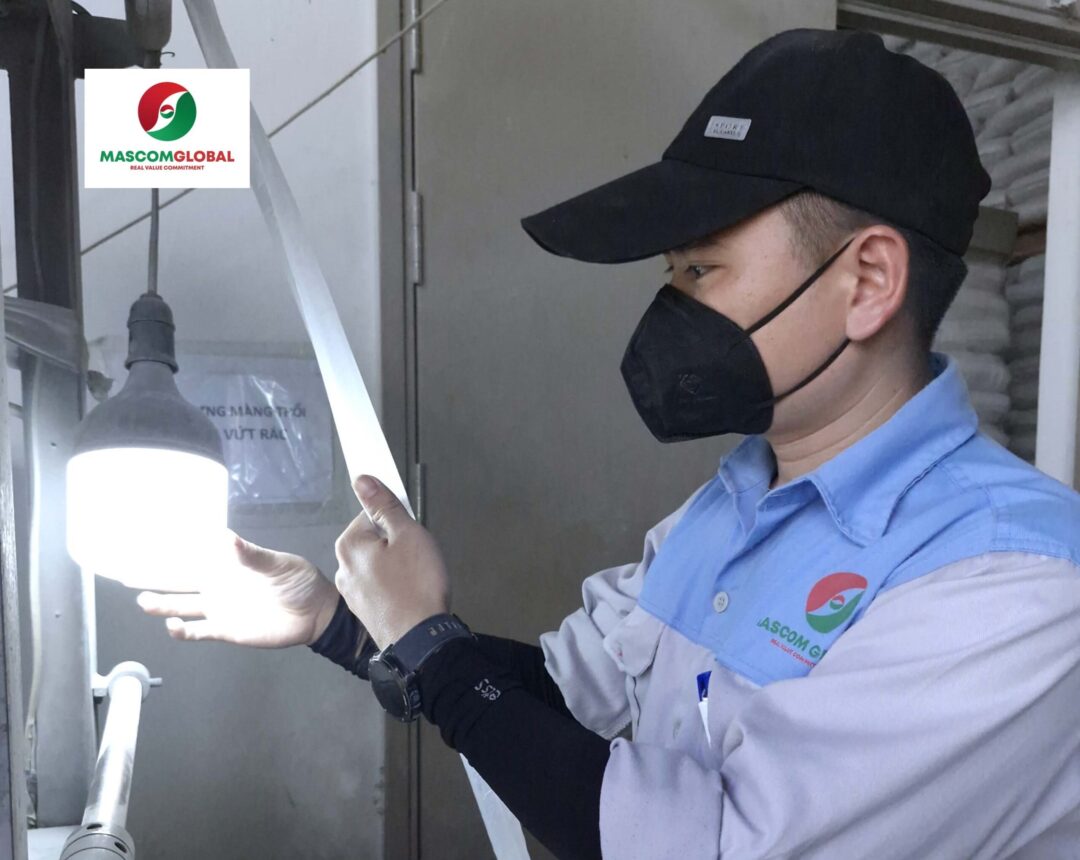
While the global market is traditionally dominated by large Western companies, Asian manufacturers are rapidly gaining global recognition.
Vietnam, India, and China have become important masterbatch production hubs thanks to:
- Competitive manufacturing costs
- Strong polymer processing industries
- Access to mineral resources such as calcium carbonate
Among these emerging suppliers, Mascom Global has become a notable player in Southeast Asia.
With a production capacity of 240,000 tons per year and exports to more than 70 countries, Mascom Global focuses on providing high-performance masterbatch solutions with competitive pricing.
Their white masterbatch products are commonly used in:
- PE blown film
- Shopping bags
- Lamination films
- Packaging materials
By combining advanced dispersion technology and reliable supply chains, companies like Mascom Global are helping reshape the global masterbatch landscape.
How to Choose the Right White Masterbatch Supplier?
Selecting the right masterbatch partner is not just about price. Film converters should evaluate several important factors.
- Quality Consistency
Reliable suppliers provide consistent pigment concentration and dispersion quality across production batches.
- Technical Support
Experienced suppliers offer processing advice, troubleshooting assistance, and formulation optimization.
- Production Capacity
Large-scale manufacturers ensure stable supply for long-term production contracts.
- Certification and Compliance
International certifications such as REACH, RoHS, and FDA compliance are increasingly important for packaging applications.
- Cost Efficiency
Instead of focusing only on the price per kilogram, converters should consider the total production cost, including dosage rates, machine efficiency, and product performance.
Future Trends in White Masterbatch Technology
The masterbatch industry continues to evolve as sustainability and performance requirements increase.
Key trends include:
- High-concentration masterbatch formulations
- Compatibility with recycled plastics
- Development of TiO₂-reduction technologies
- Smart dosing systems for color control
- AI-assisted color matching
Manufacturers that invest in innovation and process optimization will lead the next phase of industry growth.
Final Thoughts
White masterbatch may appear to be a simple product, but in reality it plays a crucial role in the performance, appearance, and efficiency of plastic film production.
Choosing the right supplier can significantly impact:
- Product quality
- Production stability
- Long-term manufacturing costs
Companies like Ampacet, Avient, Tosaf, Cabot, and Plastika Kritis continue to set global standards for masterbatch performance. At the same time, emerging Asian manufacturers such as Mascom Global are increasingly competitive in terms of both technology and value.
For film converters looking to stay competitive in the global packaging market, selecting the right white masterbatch partner is a strategic decision that directly affects business success.
