Blog
What is Synthetic Fiber? A Comprehensive Guide to Modern Textile Innovation
In the fast-paced evolution of the global textile and manufacturing industries, one term stands as a pillar of modern convenience: Synthetic Fiber. From the clothes we wear to industrial filters and automotive interiors, these man-made marvels have revolutionized how we design and consume materials. But what exactly is synthetic fiber, and why has it become the backbone of the 21st-century material world? As a leader in high-quality masterbatch solutions, Mascom Global JSC provides the technical insights you need to understand this essential material.
Defining Synthetic Fiber
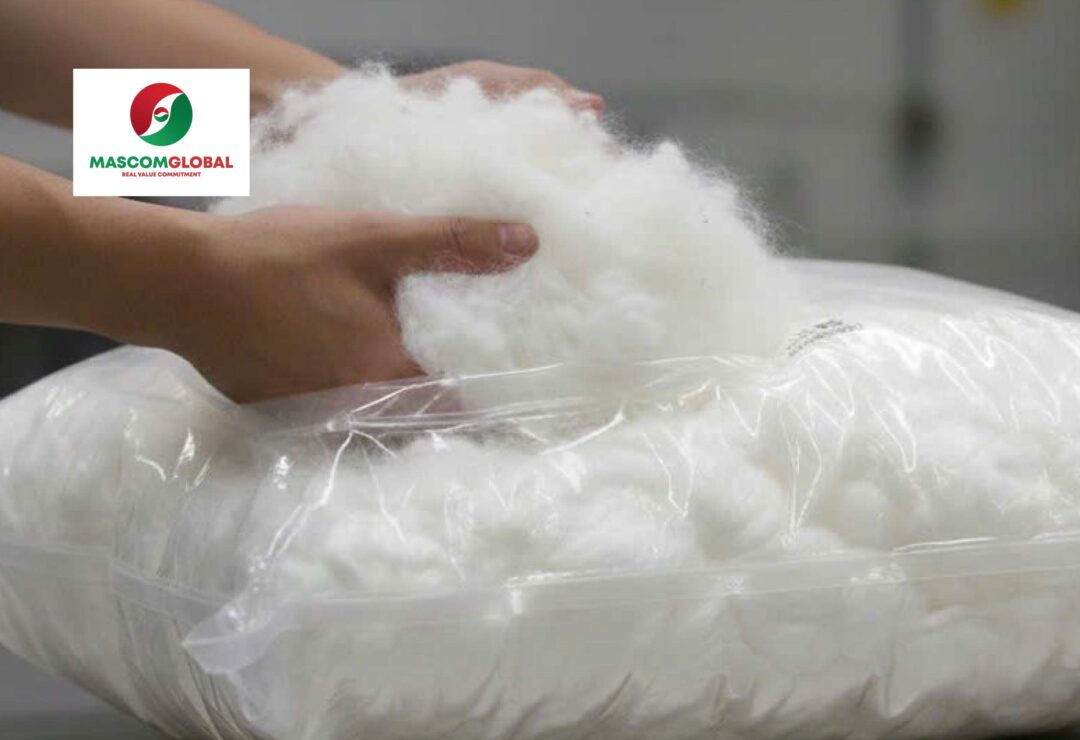
Synthetic fibers are man-made fibers created through chemical synthesis, rather than being harvested from natural sources like plants (cotton) or animals (wool). They are formed by a process called polymerization, where small molecules (monomers) are chemically bonded into long-chain molecules (polymers). Most synthetic fibers are derived from petroleum-based chemicals or petrochemicals. Through advanced engineering, these polymers are melted and extruded into fine filaments that can be spun into yarn.
The Chemistry and Manufacturing Process
The birth of a synthetic fiber begins in a laboratory and ends in a high-tech extrusion line. The process typically involves “Melt Spinning”. In this stage, the polymer resin — such as Polypropylene (PP) or Polyester (PET) — is heated until it reaches a molten state. This liquid is then forced through a “spinneret”, a device with tiny holes similar to a showerhead. As the liquid emerges, it is cooled by air or water, solidifying into continuous filaments. These filaments are then stretched to align the molecular chains, which significantly increases the fiber’s strength and elasticity.
Key Types of Synthetic Fibers
While there are dozens of variations, four types dominate the global market:
- Polyester (PET): The most widely used synthetic fiber. It is prized for its durability, wrinkle resistance, and quick-drying properties.
- Nylon (Polyamide): Known for its exceptional strength and elasticity. It is the go-to material for activewear, hosiery, and industrial ropes.
- Acrylic: Often used as a lightweight, warm alternative to wool.
- Polypropylene (PP): A specialty of Mascom Global. PP fibers are lightweight, moisture-wicking, and highly resistant to chemicals, making them ideal for diapers, wipes, and industrial geotextiles.
Why Choose Synthetic Over Natural?
Synthetic fibers offer several strategic advantages that natural fibers simply cannot match:
- Durability and Longevity: They are highly resistant to moths, fungi, and rotting. They also withstand intense wear and tear, making them ideal for heavy-duty applications.
- Cost-Effectiveness: Large-scale chemical production is generally more affordable and stable than agricultural harvesting, which is subject to weather and pests.
- Customizability: Unlike natural fibers, synthetic ones can be engineered for specific traits, such as fire retardancy, UV resistance, or specialized coloring.
The Role of Masterbatch in Enhancing Synthetic Fibers
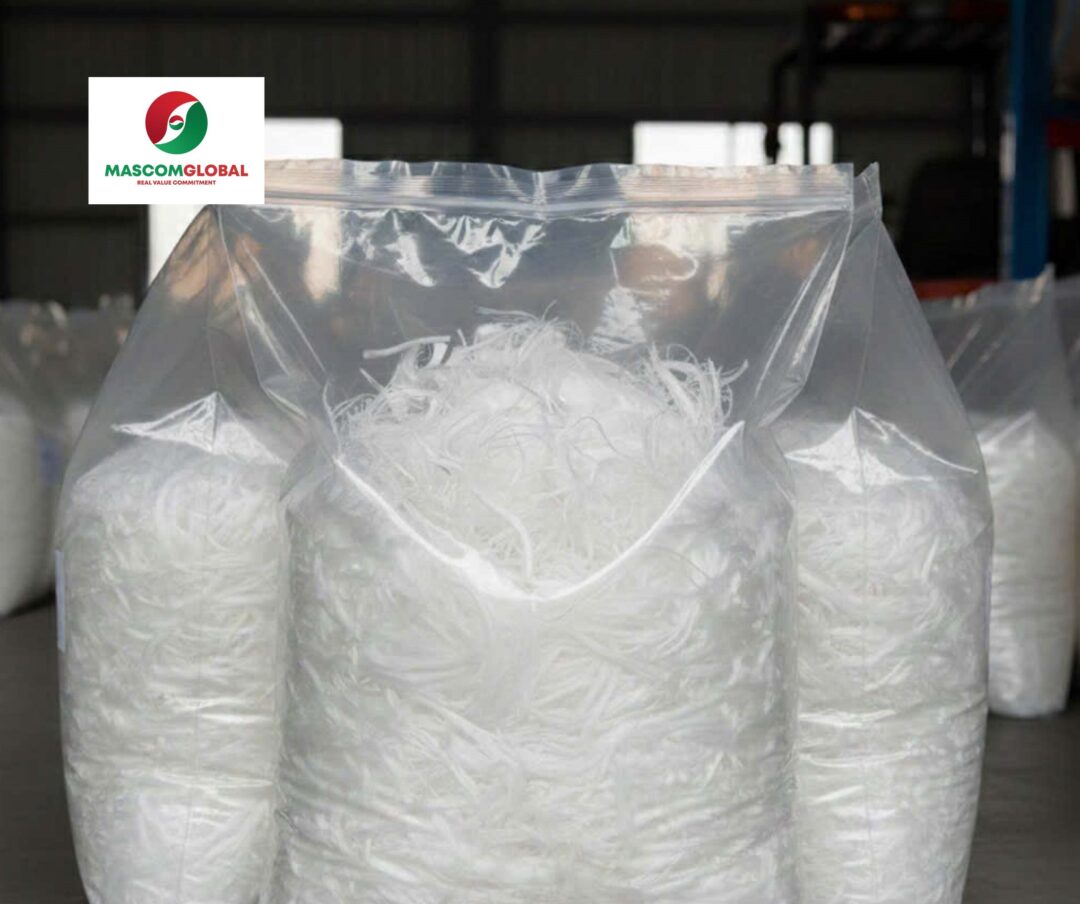
The raw “white” or “clear” filament is rarely the final product. To make synthetic fibers vibrant and functional, manufacturers rely on Masterbatch. This is where Mascom Global JSC plays a pivotal role.
- Color Masterbatch: Adding color during the extrusion process (dope dyeing) is much more eco-friendly and permanent than traditional liquid dyeing. Our color masterbatches ensure that synthetic fibers maintain their brilliance even after years of washing or sun exposure.
- UV and Functional Additives: Since many synthetic fibers are sensitive to light, we provide UV-stabilizer masterbatches that prevent degradation. We also offer flame retardants and anti-static additives to meet safety standards in the automotive and construction sectors.
Conclusion
Synthetic fiber is more than just a substitute for nature; it is a high-performance material that drives global innovation. By understanding the science behind it and the importance of high-quality additives, manufacturers can create products that are durable, beautiful, and cost-effective. Mascom Global JSC remains committed to supporting the synthetic fiber industry with world-class masterbatch solutions, exporting excellence to over 70 countries.
