
Blog
What is an Antiviral Plastic Additive?
In recent years, global awareness of hygiene, public health, and infection control has increased significantly, especially following the outbreak of infectious diseases caused by viruses. As a result, industries are actively seeking advanced material solutions that help reduce the spread of viruses through frequently touched surfaces. One of the most effective and widely adopted solutions in the plastics industry today is the antiviral plastic additive.
So, what is an antiviral plastic additive, how does it work, what types are available, and why is it becoming a key trend in modern plastic manufacturing? This article provides a detailed and professional overview to help businesses and manufacturers fully understand this innovative material technology.
1. What is an Antiviral Plastic Additive?
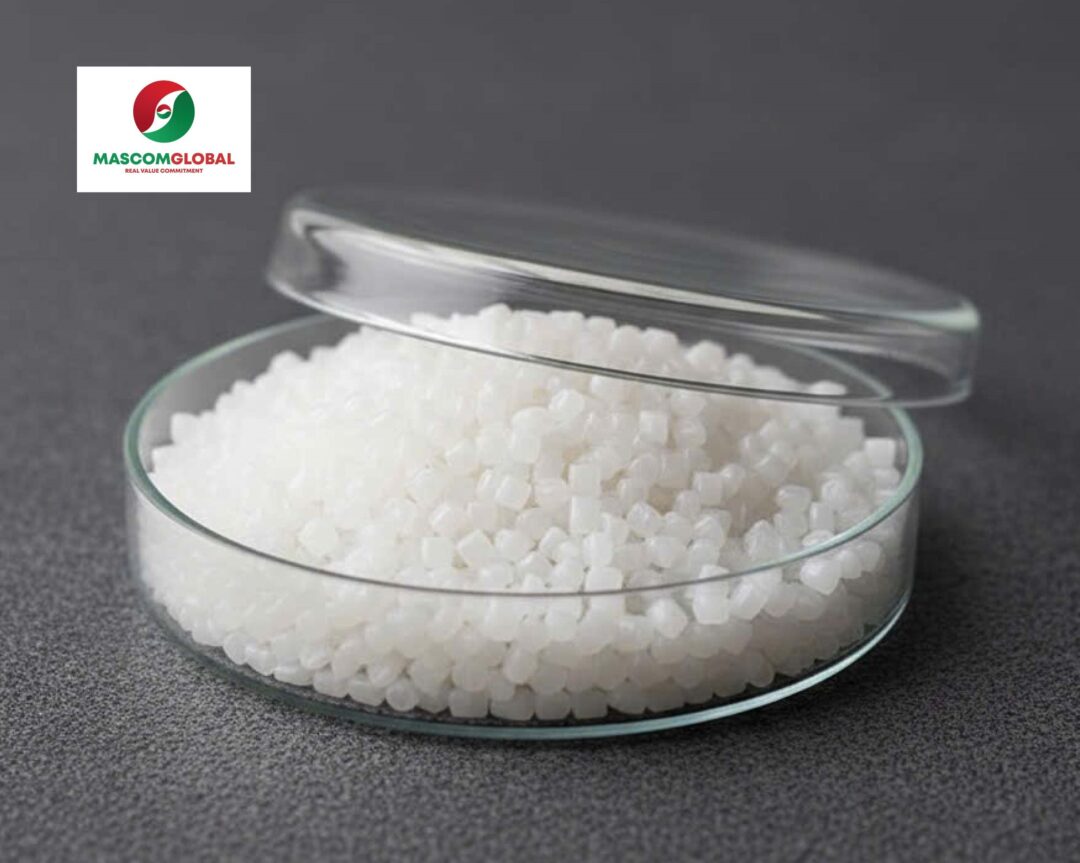
An antiviral plastic additive is a functional additive incorporated into plastic materials during processing to give the final product the ability to inhibit, deactivate, or destroy viruses when they come into contact with the plastic surface.
Unlike conventional disinfectants or surface coatings that provide only temporary protection, antiviral plastic additives are uniformly dispersed throughout the polymer matrix, ensuring long-lasting antiviral performance throughout the product’s lifecycle.
These additives can be applied to a wide range of thermoplastics, including:
- Polyethylene (PE)
- Polypropylene (PP)
- Polyvinyl Chloride (PVC)
- Polystyrene (PS)
- PET, ABS, and engineering plastics
2. Why is Antiviral Plastic Additive Becoming Increasingly Important?
Scientific studies have shown that many viruses can survive on plastic surfaces for hours or even days, making plastic products potential vectors for indirect transmission. Plastics are widely used in:
- Hospitals and healthcare facilities
- Schools and public buildings
- Public transportation systems
- Food packaging
- Consumer electronics and household products
By integrating antiviral plastic additives, manufacturers can:
- Reduce the risk of cross-contamination
- Enhance hygiene and safety standards
- Meet increasingly strict health and regulatory requirements
- Add value and differentiation to plastic products
3. How Does Antiviral Plastic Additive Work?
Antiviral plastic additives function through different mechanisms depending on their chemical composition. The most common mechanisms include:
3.1 Disruption of Viral Structure
Some additives are capable of damaging the protein or lipid envelope of viruses, rendering them inactive and unable to infect host cells.
3.2 Inhibition of Viral Replication
Certain antiviral agents interfere with viral enzymes or genetic material, preventing viruses from replicating after contact with the surface.
3.3 Release of Active Ions
Metal-based additives (such as silver, copper, or zinc) can release active ions that interact with viral components, leading to viral inactivation.
3.4 Surface Property Modification
Some additives modify surface characteristics such as surface energy or electrostatic charge, creating an environment that is unfavorable for viral adhesion and survival.
4. Common Types of Antiviral Plastic Additive
4.1 Metal-Based Antiviral Additives
This is the most widely used category and includes additives based on:
- Silver (Ag)
- Copper (Cu)
- Zinc (Zn)
Advantages:
- High antiviral efficiency
- Long-lasting performance
- Suitable for many polymer systems
Limitations:
- Higher cost (especially silver-based additives)
- Requires precise dosage control to ensure safety and compliance
4.2 Organic Antiviral Additives
These additives are based on specially designed organic compounds with antiviral properties.
Advantages:
- Easy to process and disperse
- Minimal impact on color and mechanical properties
Limitations:
- Typically lower long-term durability compared to metal-based additives
4.3 Hybrid Antiviral Additives
Hybrid additives combine metal ions and organic compounds, leveraging the strengths of both systems.
Advantages:
- High antiviral efficiency
- Improved stability and durability
- Commonly used in high-performance medical plastics
5. Applications of Antiviral Plastic Additive
5.1 Healthcare and Medical Devices
- Disposable medical products
- Trays, containers, and tubing
- Hospital furniture and equipment housings
- Surgical and diagnostic tools
Antiviral additives help reduce hospital-acquired infections and improve patient safety.
5.2 Food Packaging Industry
- Fresh food packaging
- Food storage containers
- Plastic films and wraps
These additives help minimize contamination risks and enhance food safety.
5.3 Electrical and Electronic Products
- Device housings
- Switches and sockets
- Keyboards, remote controls, and touch surfaces
Frequently touched surfaces benefit significantly from antiviral protection.
5.4 Public Transportation and Public Spaces
- Handrails and seat components
- Interior panels of buses, trains, and aircraft
- Public-use plastic fixtures
5.5 Consumer Goods and Household Products
- Kitchenware and storage products
- Personal care product packaging
- Everyday plastic tools and accessories
6. Benefits of Using Antiviral Plastic Additive
Incorporating antiviral plastic additives offers multiple advantages:
- Enhanced health and hygiene protection
- Reduced risk of virus transmission
- Long-lasting antiviral performance
- Increased product value and market competitiveness
- Compliance with international health and safety standards
7. Standards and Certifications for Antiviral Plastic Additive
To verify antiviral performance, additives and finished products are commonly tested according to international standards such as:
- ISO 21702 – Measurement of antiviral activity on plastics and non-porous surfaces
- ISO 22196 / JIS Z 2801 – Antibacterial performance standards (often referenced alongside antiviral claims)
- Regulatory compliance such as FDA, REACH, RoHS, depending on application
Certified performance is critical for acceptance in global markets.
8. Key Considerations When Using Antiviral Plastic Additive
- Compatibility with the base polymer
- Proper dosage to balance performance and mechanical properties
- Safety for end users and environmental compliance
- Long-term durability of antiviral effectiveness
9. Future Trends in Antiviral Plastic Additive
The development of antiviral plastic additives is expected to:
- Expand into everyday consumer products
- Combine antiviral, antibacterial, and anti-odor functions
- Focus on environmentally friendly and sustainable solutions
- Become a standard requirement in healthcare, packaging, and public-use plastics
Conclusion
Antiviral plastic additive represents a major advancement in plastic material technology, transforming ordinary plastic products into active surfaces that help protect public health. With long-lasting antiviral performance, broad application potential, and growing regulatory support, these additives are becoming an essential component of modern plastic manufacturing.
By understanding and properly implementing antiviral plastic additives, manufacturers can enhance product safety, meet international standards, and gain a strong competitive advantage in a health-conscious global market.
