Blog
PVC Additives: High-Performance Guide
PVC additives are essential in the global polymer industry, where Polyvinyl Chloride (PVC) is one of the most versatile yet technically demanding materials. Often described as a “high-potential but unstable polymer,” PVC cannot be processed effectively without the support of additives.
Without additives, raw PVC degrades before it can even be shaped, making them not just optional but essential.
With over two decades of experience in polymer compounding and industrial material optimization, one thing is clear:
The performance, durability, and cost-efficiency of PVC products depend up to 90% on the additive system.
This guide provides a complete breakdown of:
- What PVC additives are
- Why they are critical in processing
- The main types of additives
- How to optimize your PVC formulation for 2026 and beyond
-
What Are PVC Additives?
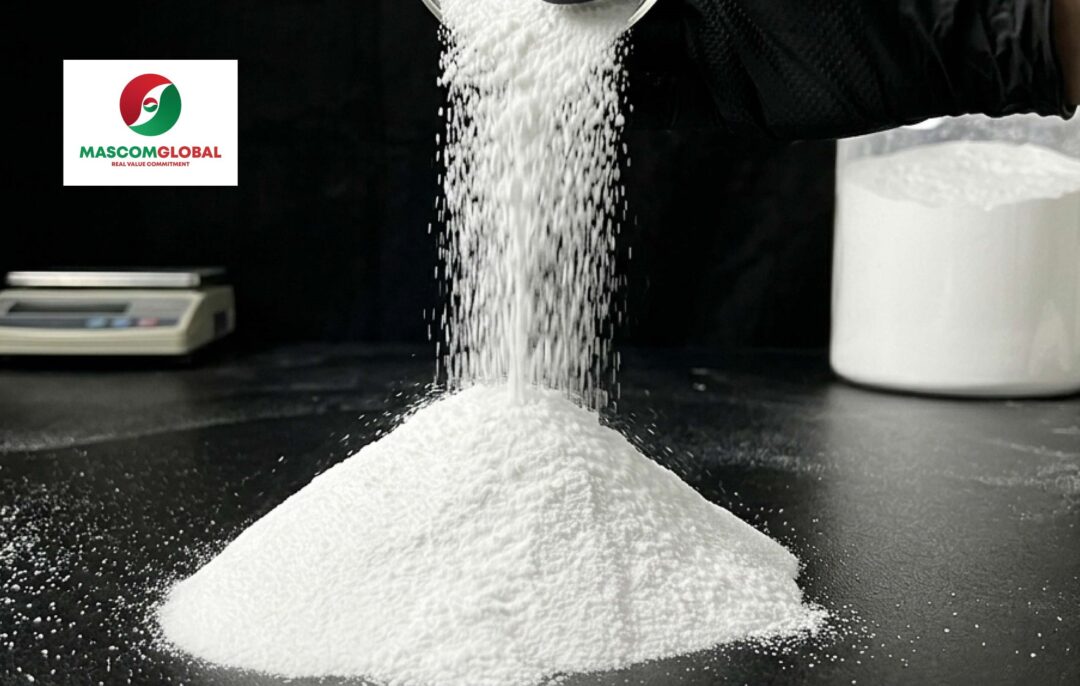
(Ilustration purpose only)
PVC additives are functional substances incorporated into PVC resin to improve its:
- Thermal stability
- Processability
- Mechanical performance
- Flexibility or rigidity
PVC in its pure form is thermally unstable. At processing temperatures (170–180°C), it begins to degrade, releasing hydrogen chloride (HCl). This triggers a chain reaction that:
- Discolors the material (yellow → brown → black)
- Weakens mechanical properties
- Causes processing failure
PVC additives act as “molecular engineers”, stabilizing the material, improving flow and enabling real-world applications.
-
Why PVC Cannot Be Processed Without Additives
From a chemical standpoint, PVC contains weak allylic chlorine bonds. Under heat stress:
- These bonds break
- HCl gas is released
- Degradation accelerates exponentially
Without additives, PVC would:
- Burn before melting
- Become brittle and unusable
- Fail in both extrusion and molding processes
This is why PVC is always processed as a compound, not a raw polymer.
-
Key Types of PVC Additives
A high-performance PVC formulation is built on a balanced additive system. Each component plays a specific role.
3.1 Heat Stabilizers: The Foundation of PVC Processing
Heat stabilizers are the most critical additives in any PVC formulation.
Function:
- Neutralize HCl
- Prevent thermal degradation
- Extend product lifespan
Common Types:
- Calcium-Zinc (Ca-Zn) Stabilizers
- Non-toxic, environmentally friendly
- Compliant with REACH and RoHS
- Widely used in food packaging and medical applications
- Organotin Stabilizers
- Excellent transparency
- Ideal for clear films and medical-grade products
- Lead-Based Stabilizers (Declining Use)
- Previously popular due to low cost
- Being phased out globally due to toxicity regulations
Industry trend: Ca-Zn systems are now the global standard.
3.2 Plasticizers: Creating Flexibility
Plasticizers transform rigid PVC into flexible materials (fPVC).
Function:
- Reduce intermolecular forces
- Increase chain mobility
- Improve flexibility and softness
Key Types:
- DOP (Dioctyl Phthalate)
- Cost-effective but increasingly restricted
- DOTP (Dioctyl Terephthalate)
- Safer alternative
- Better thermal stability
- Superior electrical insulation
Widely used in:
- Cables and wires
- Flexible films
- Synthetic leather
3.3 Lubricants: Controlling Processability
Lubricants optimize the flow of PVC during processing.
Two Categories:
- Internal Lubricants
- Reduce friction between polymer chains
- Improve melt flow
Examples: Stearic acid, esters
- External Lubricants
- Reduce friction between PVC and machinery
- Prevent sticking and improve surface finish
Examples: PE wax
Proper balance prevents:
- Plate-out defects
- Poor surface quality
- Equipment wear
3.4 Calcium Carbonate (CaCO3): Cost & Performance Optimizer
Calcium carbonate is one of the most widely used fillers in PVC.
Key Benefits:
- Reduces raw material cost
- Improves stiffness
- Enhances dimensional stability
However, there is a critical factor many overlook:
Density impact
- CaCO3 density: ~2.7 g/cm³
- PVC density: ~1.4 g/cm³
Excess filler increases product weight, which can reduce cost efficiency when calculated per unit length or volume.
Solution: Surface-Treated CaCO3
Coated CaCO3 provides:
- Better dispersion
- Improved bonding with PVC
- Enhanced surface quality
3.5 Impact Modifiers: Improving Toughness
PVC is naturally brittle, especially rigid PVC (uPVC).
Impact modifiers improve:
- Toughness
- Crack resistance
- Durability under stress
Common Types:
- CPE (Chlorinated Polyethylene)
- Cost-effective
- Good weather resistance
- ACR (Acrylic Modifiers)
- Excellent UV stability
- Ideal for outdoor applications
- MBS (Methacrylate-Butadiene-Styrene)
- High transparency
- Used in clear applications
3.6 Processing Aids: Enhancing Production Efficiency
Processing aids improve:
- Melt strength
- Fusion behavior
- Surface smoothness
They are especially important in:
- High-speed extrusion
- Complex profiles
-
The Importance of Proper PVC Formulation
A successful PVC product is not defined by individual additives but by how they work together.
Poor formulation can lead to:
- Discoloration
- Plate-out
- Surface defects
- Reduced mechanical strength
A well-designed formulation ensures:
- Stable processing
- Consistent product quality
- Lower rejection rates
-
Dry Blend Process: The Hidden Key to Quality
Even with the right additives, improper mixing can ruin the formulation.
Recommended Mixing Stages:
Stage 1 (0–60°C):
Add PVC resin + stabilizers
→ Protect polymer early
Stage 2 (60–90°C):
Add plasticizers + processing aids
→ Improve absorption
Stage 3 (90–120°C):
Add fillers and pigments
→ Prevent additive loss and equipment wear
Final Step:
- Discharge at 110–120°C
- Rapid cooling to <40°C
This ensures:
- Uniform distribution
- Moisture removal
- Stable processing
-
Applications of PVC Additives
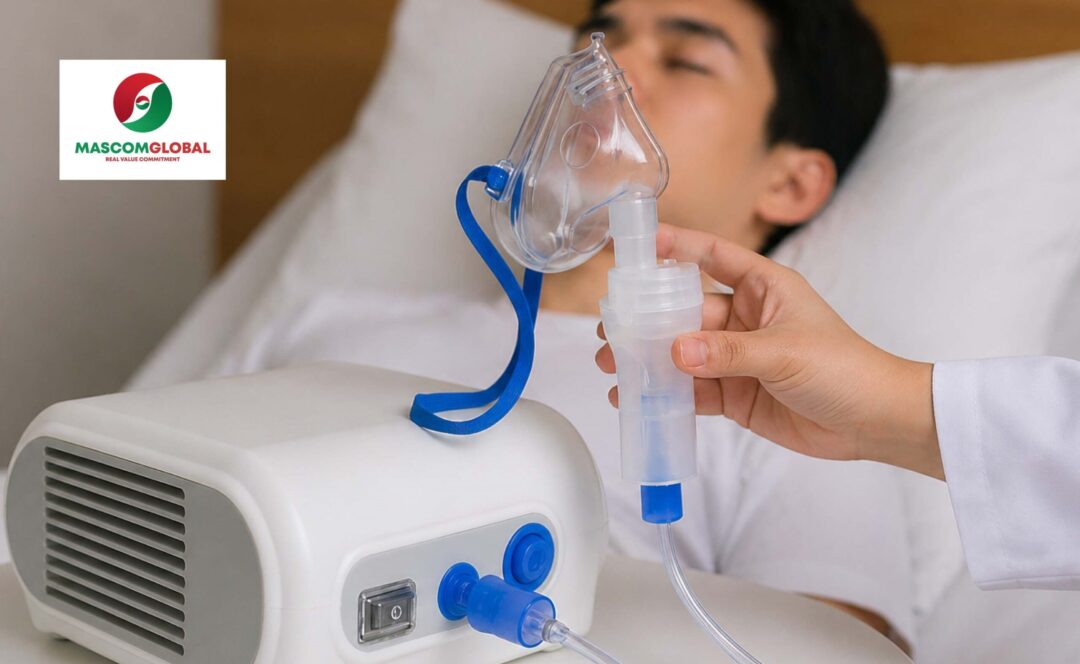
(Illustration purpose only)
PVC additives enable a wide range of industries:
- Construction
- Pipes (uPVC, PPR)
- Window profiles
- Flooring
- Electrical
- Cable insulation
- Wire coatings
- Packaging
- Films
- Blister packs
- Medical
- Tubing
- Blood bags
- Consumer Goods
- Synthetic leather
- Household products
-
Choosing the Right PVC Additives Supplier
Selecting a supplier is a strategic decision, not just a price comparison.
Key Criteria:
- Technical expertise in formulation
- Consistent batch quality
- Compliance (REACH, RoHS, FDA)
- Ability to customize solutions
A strong partner will:
- Optimize your formulation
- Reduce defects
- Improve production efficiency
Conclusion: PVC Additives as a Strategic Advantage
PVC additives are not just supporting materials, they are the core drivers of performance, cost-efficiency and product quality.
As the industry moves toward:
- Sustainability
- Higher efficiency
- Stricter regulations
The ability to design and optimize PVC formulations becomes a critical competitive advantage.
Looking to Optimize Your PVC Formulation?
At Mascom Global, we specialize in:
- PVC additives
- Filler masterbatch
- Customized compound solutions
Contact our technical team today to:
- Improve your processing efficiency
- Reduce material costs
- Achieve consistent, high-quality output
