
Blog
The Role of Antioxidant Plastic Additives
[Mascom Global] Polyolefins, primarily Polyethylene (PE) and Polypropylene (PP), are the true giants of the modern plastic industry. Their incredible versatility allows them to be used in everything from thin food packaging to heavy-duty industrial pipes and complex automotive parts. However, these materials have a “natural enemy”: oxidative degradation. Without the intervention of Antioxidant Plastic Additives, the high-performance plastics we depend on would become brittle, lose their color, and fail within a very short time.
1. The Science of Degradation: Why Polyolefins Fail?
To understand how to protect polyolefins, we must first look at why they break down. Polyolefins are made of long chains of carbon and hydrogen atoms. While this structure is generally robust, it is highly sensitive to oxygen, especially when exposed to “stressors” like high heat during manufacturing, UV radiation from the sun, or mechanical shear.
This process is known as autoxidation. It begins when energy (heat or light) breaks the carbon-hydrogen bonds, creating highly reactive free radicals. These radicals act like a virus; they react with oxygen to form peroxy radicals, which then attack neighboring polymer chains. This creates a destructive chain reaction. The results are visible and damaging:
- Chain Scission: The molecular chains break, making the plastic weak and brittle.
- Cross-linking: The chains bond in an uncontrolled way, making the plastic too rigid and prone to cracking.
- Aesthetic Failure: The plastic loses its gloss, cracks on the surface (chalking), and develops a yellow or brownish tint.
2. The Solution: Primary and Secondary Antioxidant Plastic Additives
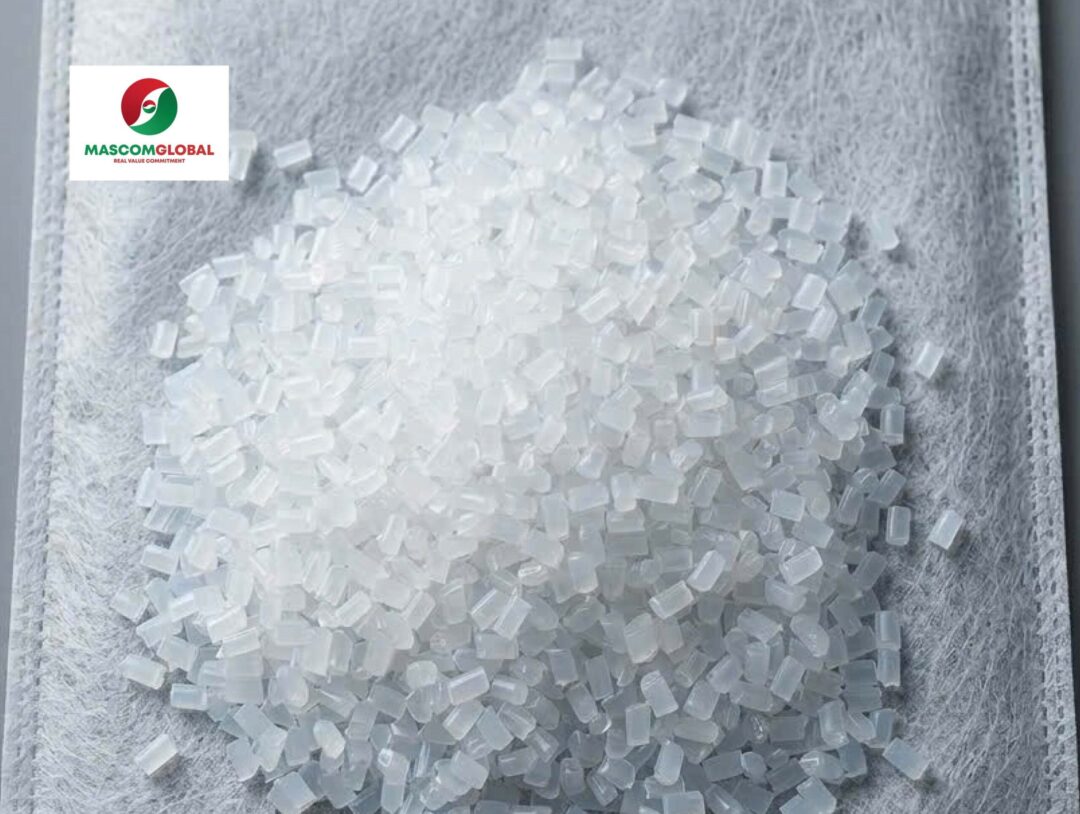
(Illustrative purposes only)
Antioxidant Plastic Additives are designed to act as the “immune system” of the polymer. They intercept the oxidation process at different stages to stop the damage before it spreads. In the industry, we categorize them into two main types:
A. Primary Antioxidants (The Long-Term Protectors)
Primary antioxidants, most commonly Sterically Hindered Phenols, are known as “radical scavengers”. Their primary job is to protect the product during its entire functional life.
- How they work: They “donate” a hydrogen atom to the free radicals, neutralizing them into a stable form.
- The Result: This stops the chain reaction from spreading. Primary antioxidants are the reason a plastic chair can sit on a patio for years without falling apart.
B. Secondary Antioxidants (The Processing Heroes)
Secondary antioxidants, such as Phosphites or Thioesters, are crucial during the melt-processing stage. When plastic is heated to over 200°C inside an extruder or injection molding machine, it is at extreme risk of rapid oxidation.
- How they work: They react with hydroperoxides (the unstable intermediate products of oxidation) and turn them into stable, non-reactive alcohols.
- The Result: They prevent the plastic from degrading while it is being shaped into a product, ensuring the material keeps its original strength and “Melt Flow Index” (MFI).
3. The Power of Synergy: Why Blends Matter
Manufacturers rarely use just one antioxidant. Instead, they use synergistic blends (often called B-blends). This is a strategic choice where “1+1 equals 3”.
The secondary antioxidant protects the polymer from the intense heat of the factory machines, while the primary antioxidant stays “in reserve” to protect the finished product from the environment for years to come. By using a blend, companies can use a smaller total amount of additives while achieving much higher levels of protection.
4. Key Benefits: Why Every Manufacturer Needs Them
(Illustrative purposes only)
The integration of a well-balanced antioxidant package offers several vital advantages:
- Extended Product Lifespan: Whether it is a gas pipe buried for 50 years or an automotive part under a hot engine hood, antioxidants ensure the material survives.
- Cost Savings: By preventing product failure and “yellowing” defects, manufacturers reduce the cost of waste, returns, and brand damage.
- Sustainability and Recycling: This is perhaps the most important modern benefit. When we recycle plastic, the material has already been partially damaged by previous use. Adding a “booster shot” of antioxidants during recycling allows us to reuse old plastic to create high-quality new products, rather than just “downcycling” them into low-grade items.
5. Conclusion
In the world of plastics, longevity is not an accident — it is a result of smart chemistry. Antioxidant additives are the invisible force that allows Polyolefins to perform reliably in the world’s harshest conditions. For any manufacturer looking to build a reputation for quality and sustainability, choosing the right antioxidant system is the most important step in the production process.
