
Blog
What is a Slip Additive?
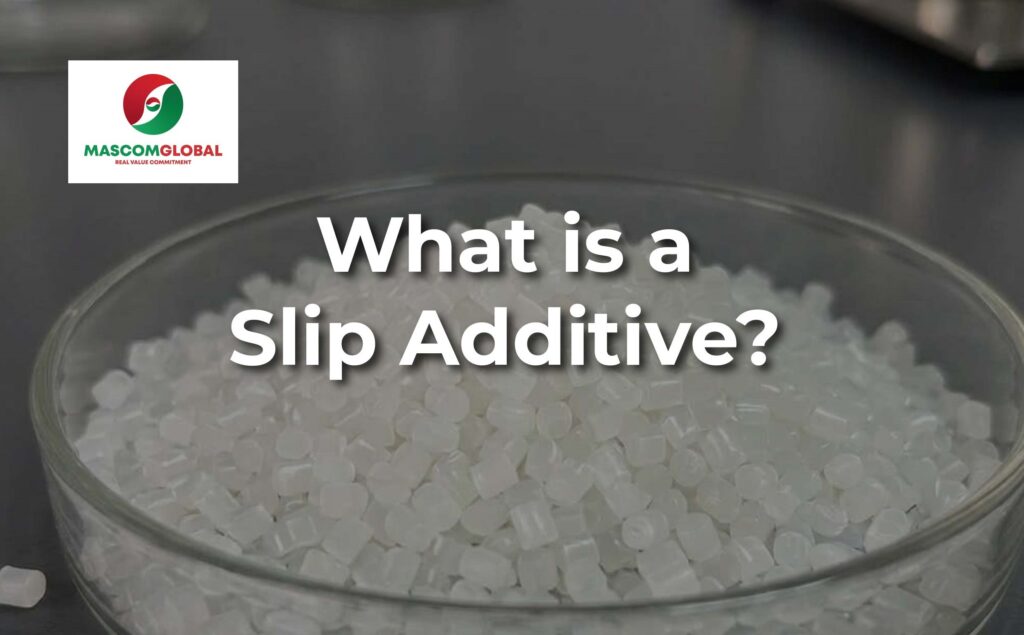
[Mascom Global] Slip additive is an important class of plastic additives used to improve the surface performance and processing efficiency of thermoplastic products. In modern plastic manufacturing, especially in film, packaging, and consumer goods applications, controlling surface friction is essential for ensuring smooth production, efficient handling, and high-quality finished products. They help manufacturers meet these requirements by significantly reducing the coefficient of friction (COF) of plastic surfaces.
Definition
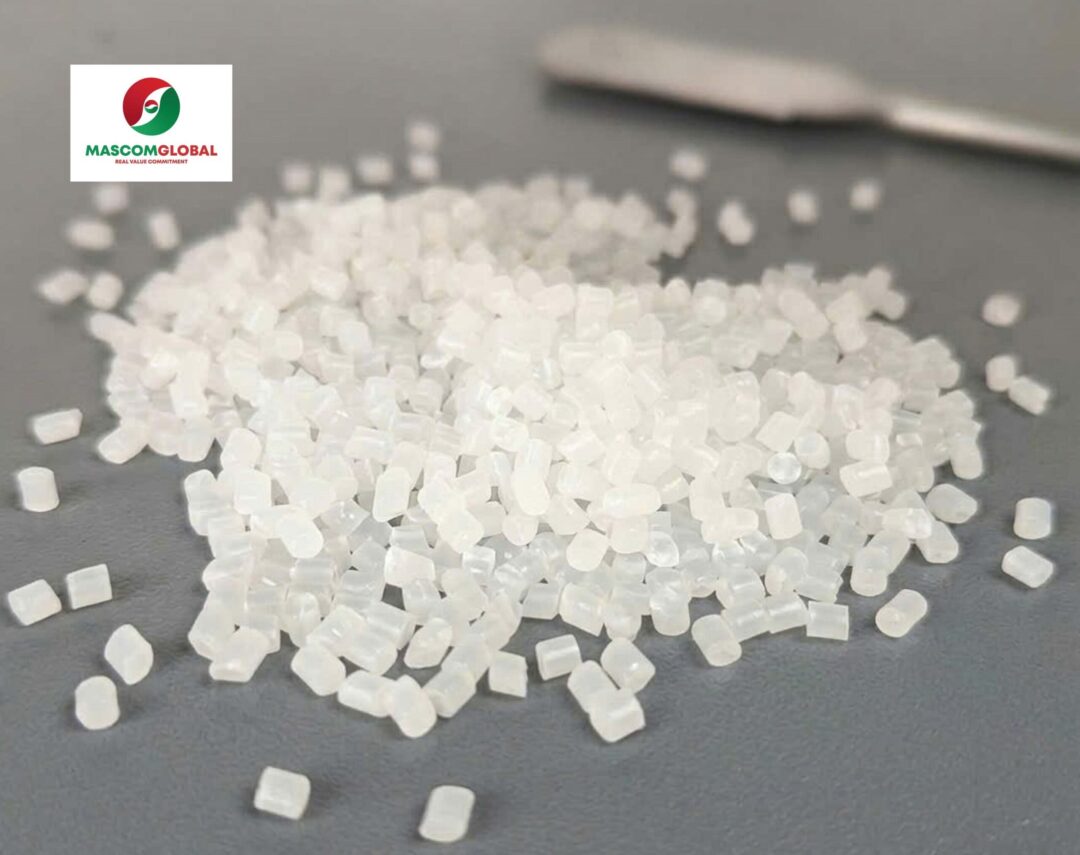
A slip additive is a chemical additive incorporated into plastic materials to reduce surface friction. By lowering the coefficient of friction, it makes plastic products smoother, less sticky, and easier to handle during processing, storage, and end use. They are commonly introduced into plastics in the form of masterbatches, which allow for accurate dosing and uniform dispersion.
They are widely used in thermoplastics such as polyethylene (PE), polypropylene (PP), polystyrene (PS), and other polymers commonly applied in films, sheets, and molded products.
How They Work?
They work primarily through a controlled migration process. After the plastic is processed, they gradually migrates from the bulk of the polymer to the surface. Once it reaches the surface, it forms a very thin lubricating layer that reduces friction between plastic surfaces or between plastic and metal parts of processing equipment.
The effectiveness of this migration depends on several factors, including polymer type, processing temperature, additive concentration, cooling conditions, and storage time. This mechanism allows them to provide both short-term and long-term slip performance throughout the product’s lifecycle.
Types
There are several types of slip additives commonly used in the plastics industry, each offering different performance characteristics:
- Fatty Acid Amide Slip Additives: Such as erucamide, oleamide, and stearamide. These are the most widely used slip additives for polyolefin films due to their good slip performance and cost-effectiveness.
- Wax-Based Slip Additives: Often used to improve surface lubrication and processing stability, especially in extrusion applications.
- Silicone-Based Slip Additives: Provide excellent and durable slip properties, particularly suitable for engineering plastics and applications requiring long-lasting performance.
The selection of the appropriate type depends on the target coefficient of friction, application requirements, and regulatory constraints.
Key Benefits
Incorporating slip additives into plastic formulations offers multiple benefits for manufacturers:
- Reduced Coefficient of Friction: Improves product handling, stacking, and machinability.
- Improved Processing Efficiency: Minimizes blocking, sticking, and tearing during extrusion, printing, and packaging operations.
- Enhanced Surface Quality: Creates smoother surfaces and better tactile properties for end users.
- Higher Production Speed: Enables stable high-speed processing and packaging lines.
- Cost Savings: Reduces downtime, rejects, and material waste.
These benefits make them essential for both commodity plastics and high-performance plastic products.
Applications
Slip additives are extensively used in plastic film applications such as food packaging films, agricultural films, shrink films, stretch films, and shopping bags. In these applications, they help improve film winding, bag opening, and automatic packaging performance.
They are also used in injection-molded and extruded products where reduced friction is required, including containers, caps, household products, and industrial components. In many cases, they are combined with anti-block additives to achieve optimal surface performance.
Food Contact Applications
Many slip additives are formulated to meet food contact regulations such as FDA, EU, and other international standards. This makes them suitable for food packaging and pharmaceutical packaging applications where safety and compliance are critical. Manufacturers must carefully select slip additives that meet both performance and regulatory requirements.
Slip Additive in Sustainable and Recyclable Plastics
With the growing focus on sustainability, modern slip additives are designed to be compatible with recyclable and environmentally friendly plastics. Advanced formulations help maintain slip performance without negatively impacting recyclability, transparency, or mechanical properties. This makes slip additives are an important component in sustainable packaging solutions.
How to Choose the Right Supplier?
Choosing the right supplier depend on factors such as polymer type, target COF level, processing conditions, regulatory requirements, and final application. Working closely with an experienced additive supplier ensures optimal performance, consistent quality, and compliance with industry standards.
Conclusion
Slip additive plays a vital role in improving the performance, processability, and usability of plastic products. By reducing surface friction and enhancing handling characteristics, they help manufacturers achieve higher efficiency, better product quality, and improved customer satisfaction.
