Blog
What is Red Masterbatch?
In the plastics industry, color is never just about aesthetics. When it comes to red masterbatch, achieving the right shade, stability, and performance is a technical challenge that directly impacts product quality, brand identity, and production efficiency.
From high-gloss cosmetic packaging to UV-resistant infrastructure pipes, red masterbatch must deliver consistent color, thermal stability, and excellent dispersion under different processing conditions.
This guide covers everything you need to know:
✔ Key components of red masterbatch
✔ Major industrial applications
✔ Top suppliers in Southeast Asia
✔ Critical technical parameters for sourcing
-
What is Red Masterbatch?
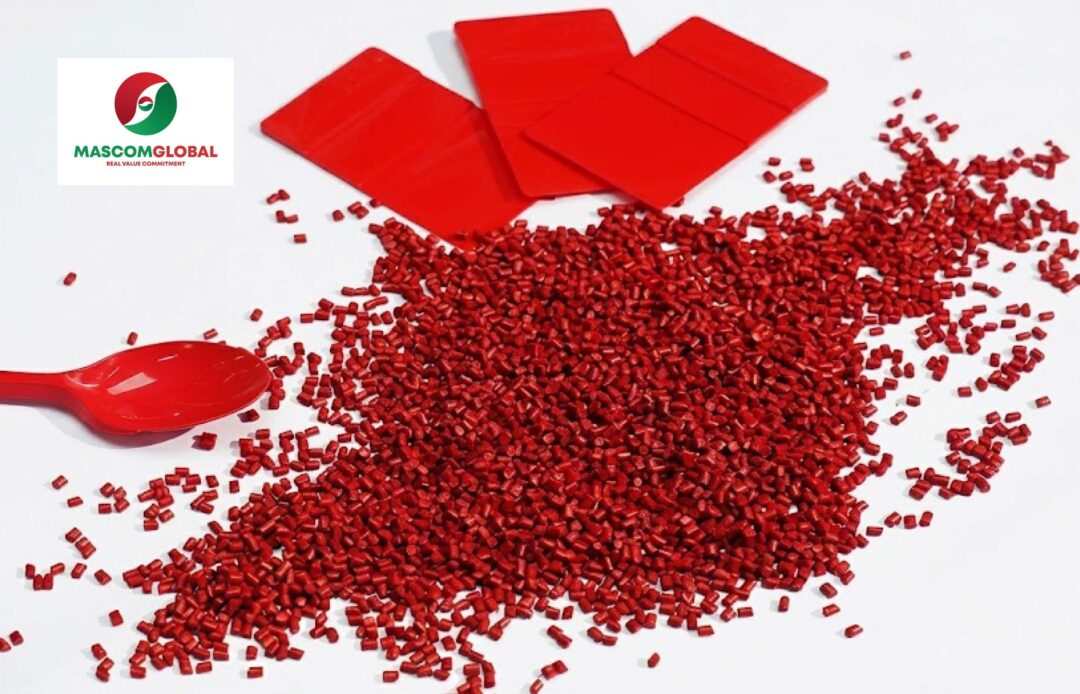
(Illustrative purpose only)
Red masterbatch is a concentrated mixture of pigments, carrier resin and additives, designed to color plastic materials during processes such as:
- Injection molding
- Blown film extrusion
- Pipe extrusion
- Thermoforming
Compared to raw pigments, masterbatch offers:
- Dust-free handling
- Better dispersion
- Consistent color across batches
- Easier dosing during production
However, not all red masterbatch performs the same. The final result depends heavily on formulation.
-
Key Components of High-Quality Red Masterbatch
2.1 Pigment System (Organic vs. Inorganic)
The pigment determines not only the color shade but also heat resistance and durability.
Organic Pigments (e.g. PR254, PR122)
- Bright, vibrant, high-gloss red
- Suitable for packaging and consumer goods
- Lower heat resistance (~250–280°C)
Best for:
- Cosmetic bottles
- Food packaging
- Thin-wall injection parts
Inorganic Pigments (e.g. Iron Oxide PR101)
- Excellent thermal stability (>400°C)
- Strong UV resistance
- More opaque, less bright
Best for:
- Pipes and construction materials
- Outdoor applications
- Engineering plastics
2.2 Carrier Resin (Compatibility Matters)
The carrier resin must match your base polymer:
- PE → for film & bags
- PP → for woven, injection
- PET → for bottles
- ABS → for electronics
A mismatched carrier can cause:
- Poor dispersion
- Weak mechanical properties
- Color inconsistency
This is one of the most common mistakes in sourcing.
2.3 Additives (Performance Boosters)
Modern red masterbatch often includes:
- Dispersing agents → prevent pigment agglomeration
- UV stabilizers → protect against fading
- Antioxidants → improve thermal stability
These additives ensure smooth processing and long-term product performance.
-
Applications of Red Masterbatch
Red masterbatch is widely used across multiple industries, each with different technical requirements.
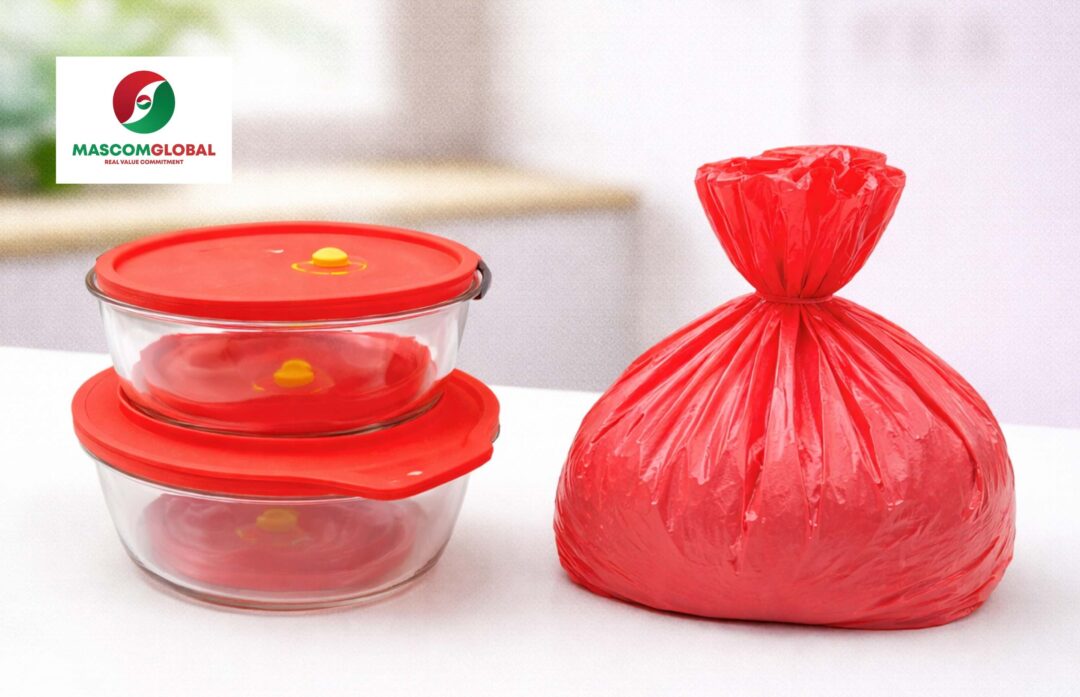
(Illustrative purpose only)
3.1 Packaging & FMCG
Used in:
- Shopping bags
- Bottle caps
- Food containers
Key requirements:
- Bright color
- Food safety compliance
- High gloss
Organic pigments are commonly used here.
3.2 Automotive Industry
Applications:
- Tail light housings
- Interior components
Requirements:
- UV resistance
- Heat stability
- Dimensional consistency
3.3 Construction & Infrastructure
Used in:
- PPR pipes
- Electrical conduits
- Underground warning tapes
Requirements:
- Long-term UV resistance
- Color stability for 10–50 years
- No migration
Inorganic pigments dominate this segment.
3.4 Consumer Electronics
Applications:
- Appliance housings
- Power tools
Requirements:
- High surface quality
- Scratch resistance
- Consistent color across batches
-
Top Red Masterbatch Suppliers in Southeast Asia
Southeast Asia has become a key sourcing hub due to its balance of cost efficiency and technical capability.
Vietnam – Fastest Growing Hub
- Strong CaCO3 resources with ultra fined quality
- Competitive pricing
- Export-focused production
Key players:
- Mascom Global
Large-scale manufacturer (240,000 tons/year), strong in high-loading masterbatch and consistent export quality.
- Tan Hung (THC Masterbatch)
Known for precise color matching (low Delta E).
- EuroPlas
High-capacity supplier suitable for large-volume orders.
Thailand – R&D Driven Market
- Strong petrochemical base
- Advanced compounding technology
Key players:
- SCG Chemicals (SCGC)
Leader in high-performance and sustainable materials.
- Thaipoly Masterbatch
Flexible production, strong customization capability.
Malaysia – Export-Oriented Quality
- Focus on global standards (EU, US, Japan)
Key players:
- Plasma Color
- Teknor Apex (regional presence)
-
Key Technical Factors When Choosing a Supplier
5.1 Delta E (Color Consistency)
- Target: ΔE ≤ 1
- Ensures consistent color across production batches
Critical for brand-sensitive products.
5.2 Melt Flow Index (MFI)
- Masterbatch MFI should match or slightly exceed base resin
Benefits:
- Better mixing
- Stable flow
- Reduced defects
5.3 Dispersion Quality
Poor dispersion leads to:
- Black spots
- Streaks
- Surface defects
Ask for:
- Dispersion rating
- Filter Pressure Value (FPV)
5.4 Thermal Stability
Ensure pigment can withstand your processing temperature:
- Injection molding
- Extrusion
- Blow molding
6. Choosing the right Red Masterbatch Partner
Selecting a supplier is not just about price. It’s about:
- Technical capability
- Consistency
- Long-term reliability
A strong partner will:
✔ Match formulation to your application
✔ Provide stable quality across batches
✔ Support your production with technical data
Final Thoughts
Red masterbatch may look simple but in reality, it is a highly engineered solution that directly impacts your product quality, production efficiency, and brand consistency.
Southeast Asia, especially Vietnam and Thailand, continues to offer a strong ecosystem of manufacturers capable of meeting global standards.
If you are optimizing your formulation for 2026, choosing the right masterbatch is not just a purchasing decision but a strategic advantage.
