Blog
What is Flex PVC Tubing?
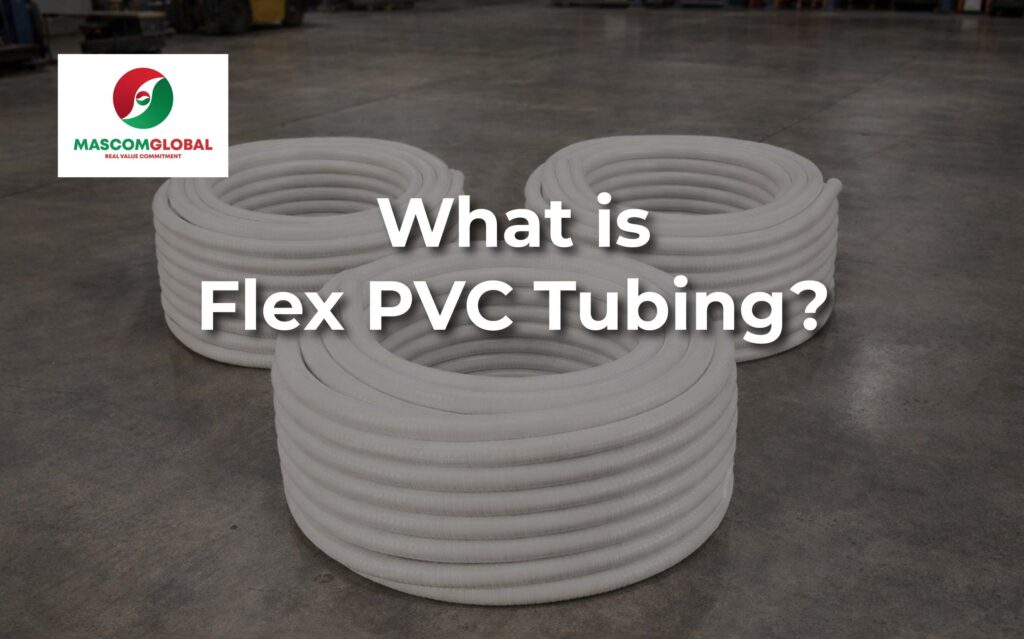
[Mascom Global] In the plastics industry, if rigid PVC (U-PVC) is considered the steel skeleton of construction projects, then Flex PVC Tubing (Flexible Polyvinyl Chloride Tubing) is the vital circulatory system driving both industrial and medical sectors. The remarkable transformation from a naturally rigid polymer into a bendable, resilient tube has revolutionized fluid and gas transfer.
-
What is Flex PVC Tubing?
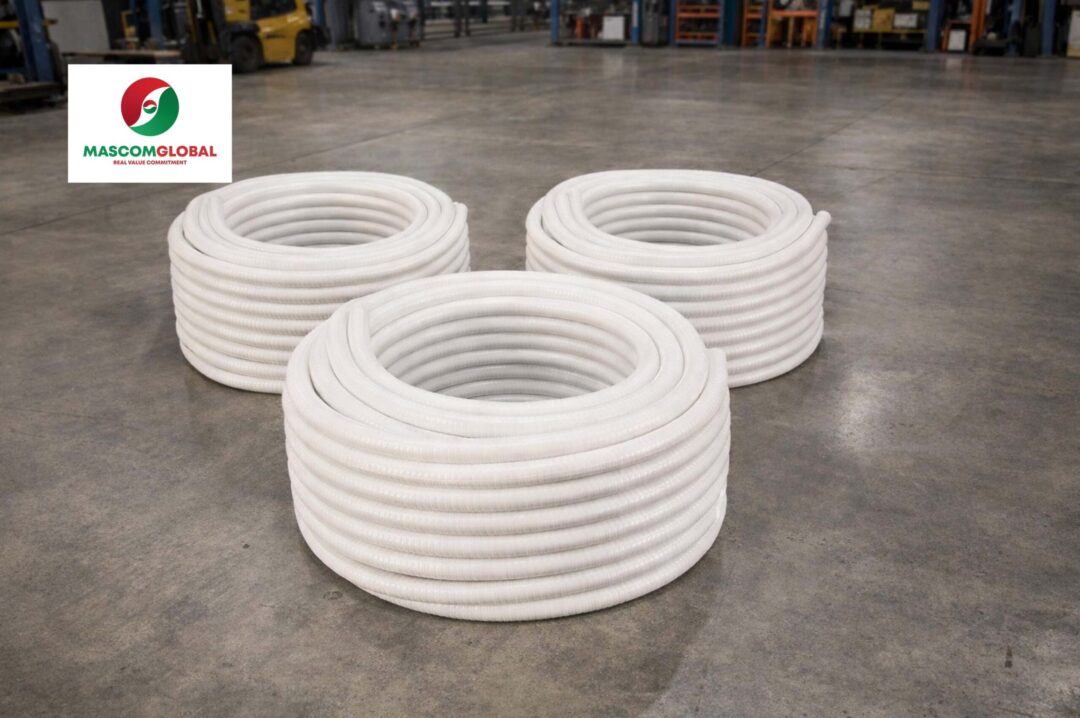
(Illustrative purpose only)
Flex PVC Tubing is a modified form of Polyvinyl Chloride (PVC) that incorporates plasticizers during the manufacturing process.
In its raw state, PVC is a hard and brittle polymer. However, when technical experts introduce compounds such as Phthalates or eco-friendly non-phthalate plasticizers, the polymer chains slide past each other more easily. The result is a material with high flexibility and the ability to bend without kinking or cracking.
-
Outstanding Technical Characteristics
What makes Flex PVC irreplaceable despite competition from Silicone or Polyurethane? It is the perfect balance between performance and cost-efficiency.
2.1. Flexibility and Tight Bend Radius
The most critical feature is its “on-demand” maneuverability. You can install Flex PVC tubing in cramped spaces and snake it through complex machine corners without needing excessive elbows or fittings, which significantly reduces the risk of leaks at connection points.
2.2. Excellent Clarity
The majority of Flex PVC tubing is manufactured with high transparency (Clear PVC). This allows technicians to visually monitor fluid flow, making it easy to detect air bubbles or blockages — a critical factor in the food and medical industries.
2.3. Chemical and Corrosion Resistance
Flex PVC is remarkably inert to many acids, alkalis, and salt solutions. Unlike standard rubber hoses, it does not oxidize or rot over time when exposed to harsh environments.
2.4. Pressure and Temperature Resilience
Despite its softness, when reinforced with polyester braiding (Braid Reinforced), Flex PVC tubing can handle working pressures of dozens of bars. Its ideal operating temperature range typically fluctuates from -20°C to 60°C, making it suitable for most domestic and light industrial applications.
-
Common Types of Flex PVC Tubing
Not all Flex PVC tubes are created equal. Depending on the application, we categorize them into specialized types:
| Tubing Type | Key Features | Primary Applications |
| Single-layer PVC | Affordable, lightweight, extremely flexible | Water drainage, aquariums, light air lines |
| Braided PVC | Reinforced with polyester mesh; high pressure resistance | Pneumatic systems, chemical pumping |
| Steel Wire Reinforced | Embedded steel spring; prevents collapse under vacuum | Slurry suction, plastic pellet transfer, fuel lines |
| Medical Grade PVC | Non-toxic, Phthalate-free, biocompatible | IV fluid delivery, respiratory equipment |
-
Real-WorldApplications: Where is Flex PVC Found?
With a decade of experience in the field, I can confidently say: You cannot walk five meters in a factory without encountering Flex PVC.
4.1. Medical and Pharmaceutical Industry
This sector demands the strictest standards (such as USP Class VI). Flex PVC is used for IV sets, catheters, and components in dialysis machines. Its greatest advantage is its ability to be sterilized and its non-reactive nature with human tissue.
4.2. Food and Beverage (F&B)
FDA-compliant tubing is used to transport milk, soft drinks, and beer. Its odorless and tasteless properties ensure that the product’s flavor remains untainted.
4.3. Industrial Manufacturing
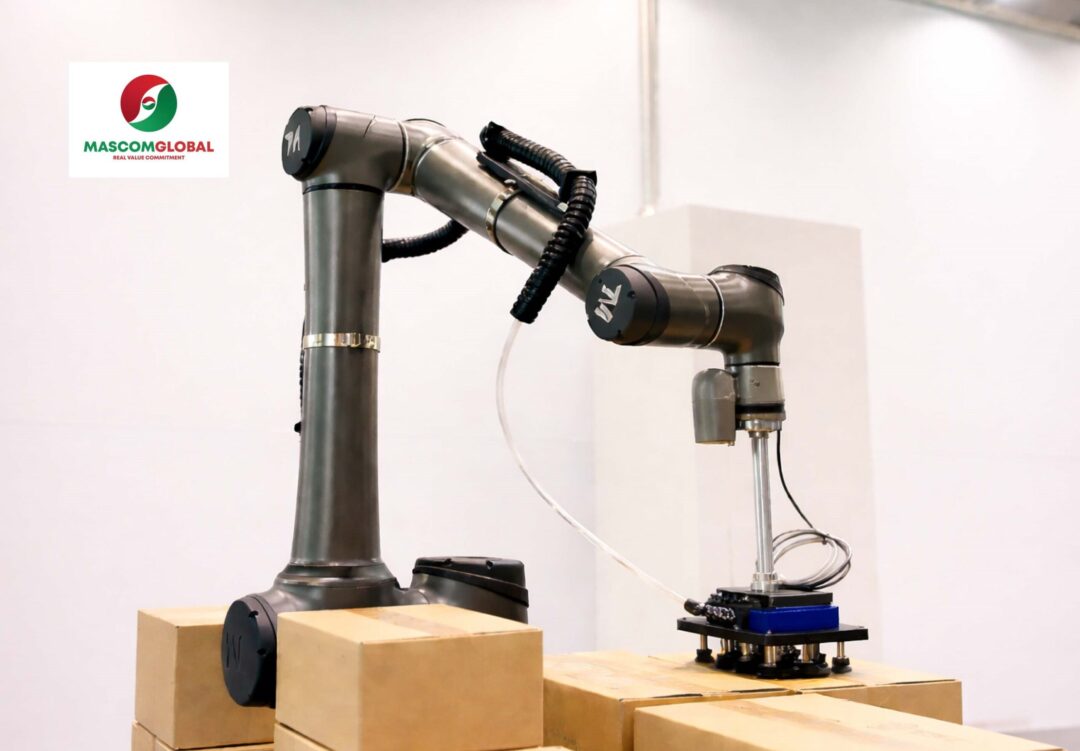
(Illustrative purpose only)
- Pneumatic Systems: Delivering air to robotic arms and handheld tools.
- Water Treatment: Conveying water purification chemicals and Chlorine.
- Machine Cooling: Transporting cooling water for plastic molds or CNC machines.
4.4. High-Tech Agriculture
In drip irrigation or hydroponic systems, Flex PVC tubing acts as the “artery” delivering nutrients to each plant root, thanks to its UV resistance and anti-algae properties.
-
“Golden” Tips for Selection and Usage
Here is professional advice to help you avoid unnecessary costs and ensure safety:
- Verify Chemical Compatibility: While versatile, Flex PVC is vulnerable to strong solvents like Acetone or Esters. Using it with the wrong chemicals will cause the tube to harden and crack (a phenomenon known as plasticizer migration).
- Never Ignore Working Pressure: Always select a tube with a Burst Pressure at least 3 to 4 times higher than your actual operating pressure to ensure a proper safety factor.
- Plasticizer Migration Issues: If used for food or childcare products, ensure the tubing is labeled Non-Phthalate or BPA-Free to protect health.
- Minimum Bend Radius: Avoid forcing the tube into a tighter curve than specified by the manufacturer. Doing so will choke the flow and drastically shorten the material’s lifespan.
-
Conclusion
Flex PVC Tubing is more than just a flexible strip of plastic; it is a smart, efficient, and economical connection solution. Whether you are designing a home water filtration system or operating a complex chemical production line, understanding Flex PVC will help you optimize both performance and cost.
With advancements in material science, Flex PVC is becoming more environmentally friendly and durable, solidifying its “king” status in the flexible tubing market.
