Blog
Biodegradable Plastic Packaging
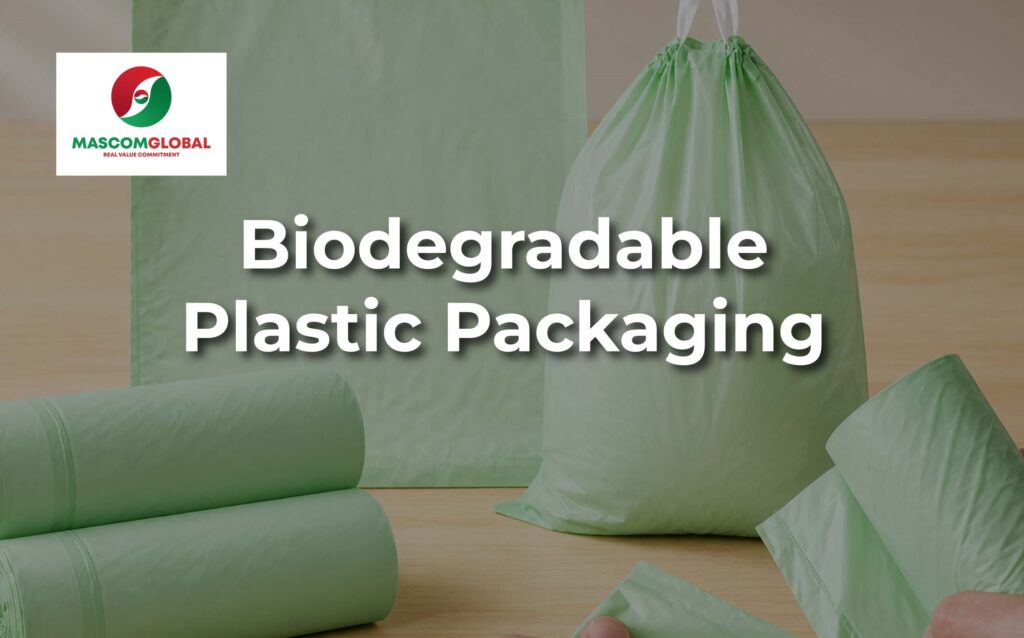
[Mascom Global] Biodegradable Plastic Packaging has become a fundamental requirement in today’s global sustainability landscape, as industries seek alternatives to traditional petroleum-based plastics. With plastic pollution reaching critical levels, businesses are rapidly adopting this packaging solution to reduce environmental impact on marine life and terrestrial ecosystems. This article explores the technical nuances of biodegradable polymers and highlights the leading global suppliers driving this green revolution.
Understanding Biodegradable Plastic Packaging
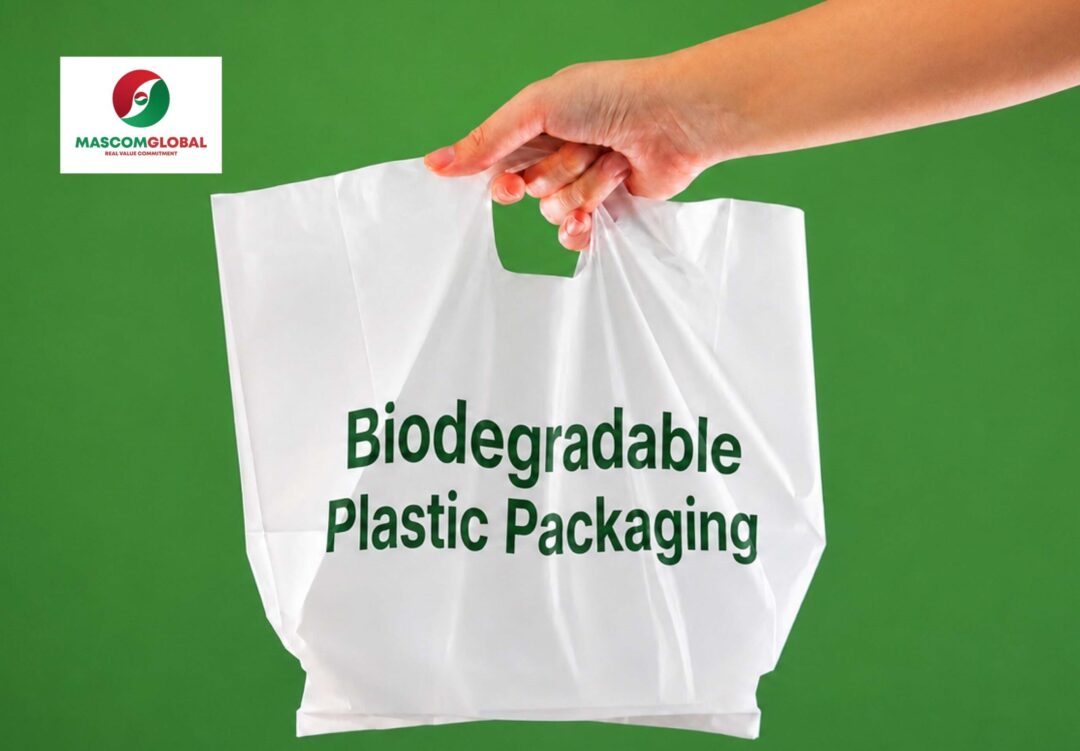
(Illustrative purpose only)
Biodegradable plastic packaging refers to materials derived from renewable biomass or specific synthetic polymers that can be decomposed by microorganisms such as bacteria, fungi, and algae. Unlike conventional plastics that persist for centuries, biodegradable plastic packaging break down into water, carbon dioxide, and biomass under specific environmental conditions, typically within a few months.
The most prominent biopolymers used in the packaging industry include:
- Polylactic Acid (PLA): Derived from fermented plant starch (usually corn or sugarcane). It is transparent, rigid, and widely used for food containers and films.
- Polyhydroxyalkanoates (PHA): Produced by microbial fermentation of carbon feedstocks. PHA is highly biodegradable in both soil and marine environments.
- PBAT (Polybutylene adipate terephthalate): A fossil-based polymer that is fully biodegradable, often blended with PLA to increase flexibility and toughness.
Environmental and Economic Advantages
The shift toward biodegradable plastic packaging offers a multitude of benefits for both the planet and businesses:
- Reduction in Carbon Footprint: The production of bio-based plastics generally emits significantly less greenhouse gas compared to traditional polyethylene (PE) or polypropylene (PP).
- Waste Diversion: These materials are often compatible with industrial composting facilities, reducing the volume of waste sent to landfills and promoting a circular economy.
- Regulatory Compliance: Governments worldwide, particularly in the European Union and parts of Asia, are implementing strict bans on single-use plastics. Transitioning to biodegradable alternatives ensures business continuity and legal compliance.
- Enhanced Brand Reputation: Modern consumers are increasingly eco-conscious. Utilizing sustainable packaging serves as a powerful marketing tool, fostering brand loyalty among environmentally aware demographics.
Top Global Suppliers of Biodegradable Plastic Materials
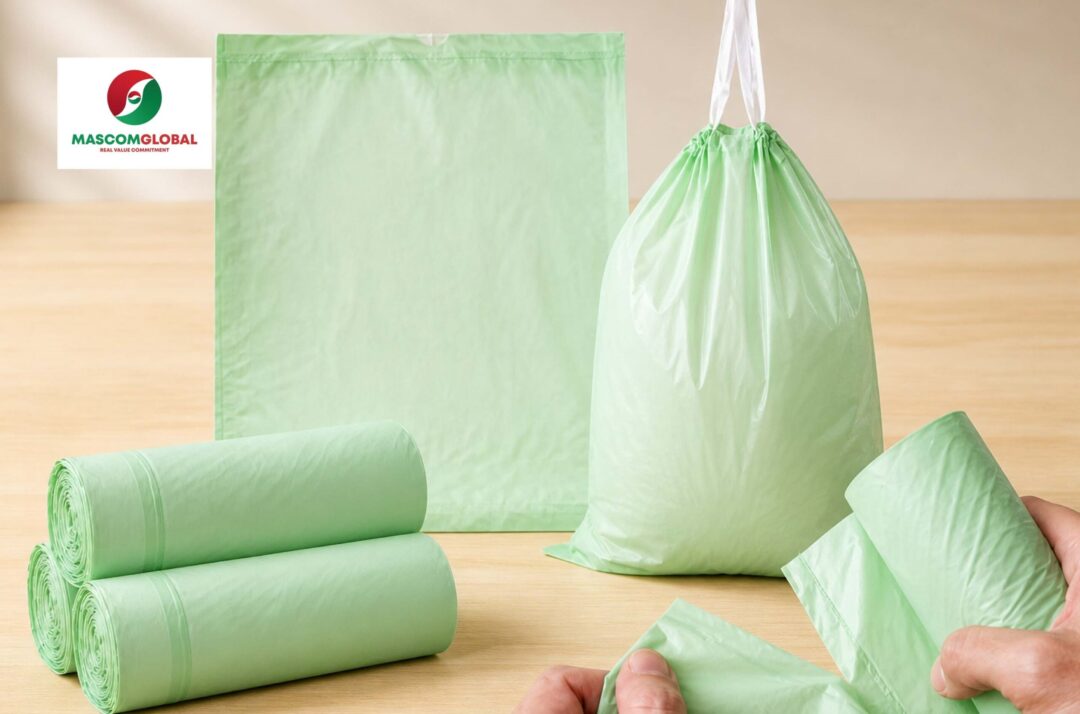
(Illustrative purpose only)
The supply chain for biodegradable resins is expanding rapidly, led by several chemical giants and specialized biotech firms:
- BASF (Germany): A pioneer in the field, BASF produces ecovio®, a high-quality certified compostable polymer. It is a blend of their bio-based PBAT (ecoflex®) and PLA, widely used for organic waste bags and agricultural films.
- NatureWorks (USA): As one of the world’s largest producers of PLA under the brand name Ingeo™, NatureWorks supplies materials for everything from coffee capsules to fresh food packaging.
- TotalEnergies Corbion (Netherlands): A joint venture specializing in high-performance PLA. Their Luminy® resins are known for their heat resistance and are used extensively in food service ware and 3D printing.
- Mitsubishi Chemical (Japan): They offer BioPBS™, a bio-based polybutylene succinate that is compostable in ambient temperatures. It is frequently used as a coating for paper cups and flexible packaging.
- Danimer Scientific (USA): A leader in PHA technology. Their Nodax™ PHA is the first of its kind to receive TUV certification for marine biodegradability, making it a “holy grail” for reducing ocean plastic.
- Novamont (Italy): Known for Mater-Bi®, a family of biodegradable and compostable bioplastics created by integrating starches with vegetable oils.
The Future of Sustainable Packaging
While the cost of biodegradable resins remains higher than conventional plastics, economies of scale and technological advancements are narrowing the gap. The integration of biodegradable solutions into global logistics and supply chains is no longer an option but a strategic necessity. As infrastructure for industrial composting improves, these materials will play a pivotal role in creating a plastic-free future.
Conclusion
Biodegradable plastic packaging represents a significant leap toward environmental stewardship. By understanding the types of biopolymers available and partnering with reputable global suppliers, businesses can contribute to a healthier planet while maintaining operational excellence. The transition to biodegradable plastic packaging is an investment in the longevity of both the global economy and the natural world.
