
Blog
What is Medical TPE? Key Properties and Standards
-
What is Medical TPE?
(Illustrative purpose only)
Medical TPE (Thermoplastic Elastomer) is a class of polymer materials that combine the elasticity of rubber with the processing advantages of thermoplastics. Unlike traditional rubber, TPE can be melted, molded, and recycled without requiring vulcanization.
Medical-grade TPE is specifically engineered to meet stringent healthcare requirements, offering:
- Excellent flexibility and softness
- High biocompatibility
- Ease of processing through injection molding and extrusion
- Cost efficiency compared to conventional elastomers
Thanks to these advantages, Medical TPE is widely used in:
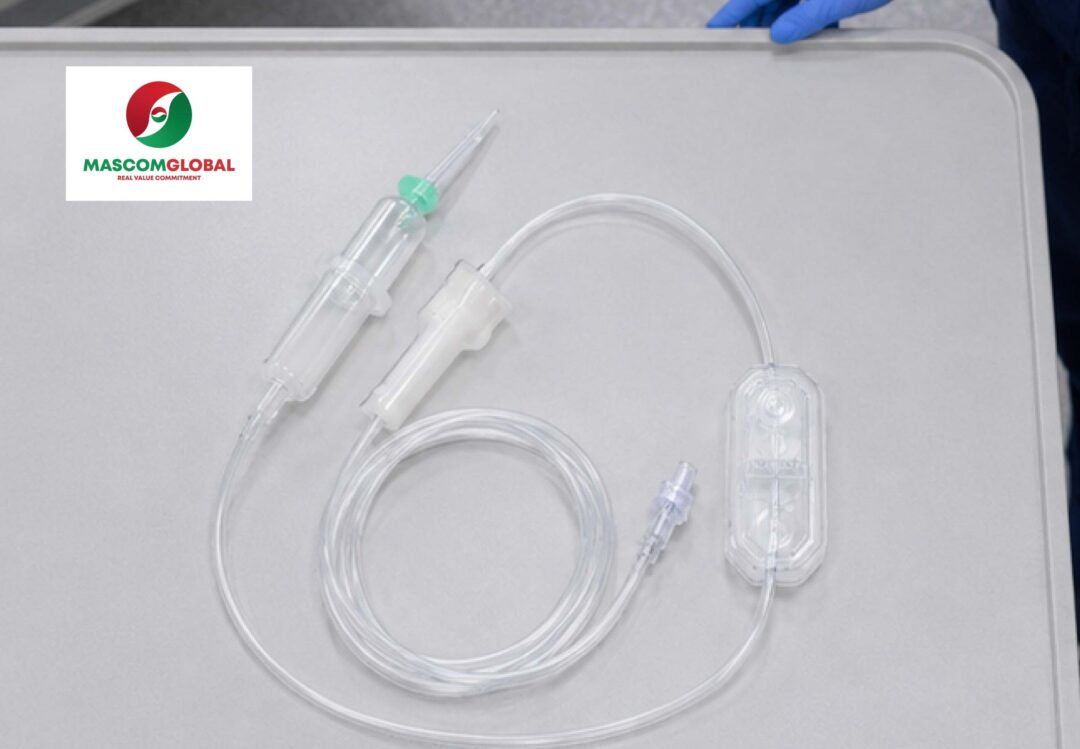
- IV tubing and fluid transfer systems
- Medical seals and gaskets
- Surgical device components
- Wearable medical products
- Medical packaging
-
Composition of Medical TPE
Medical TPE is not a single material but a formulated compound consisting of base polymers, plasticizers, and functional additives designed to achieve specific performance and safety requirements.
2.1. Base Polymers
The backbone of Medical TPE typically includes:
- SEBS (Styrene-Ethylene-Butylene-Styrene)
The most commonly used polymer in medical applications due to its stability, softness, and non-toxic nature.
- SBS (Styrene-Butadiene-Styrene)
Provides excellent elasticity but is less commonly used in high-end medical applications.
- TPU (Thermoplastic Polyurethane)
Known for its superior mechanical strength, abrasion resistance, and durability.
Among these, SEBS-based TPE is widely preferred for medical use because it is free from harmful substances and offers consistent performance.
2.2. Medical-Grade Plasticizers
Plasticizers are added to improve flexibility and softness. In medical TPE:
- Only medical-grade oils are used
- They must be non-toxic and compliant with regulatory standards
These plasticizers play a crucial role in ensuring patient safety while maintaining material perfor
2.3. Functional Additives
To meet demanding application requirements, Medical TPE formulations include:
- Heat stabilizers for thermal resistance
- Antioxidants to prevent material degradation
- Antimicrobial agents (in specialized applications)
These additives enhance durability, safety, and long-term performance.
2.4. Fillers and Cost Optimization
In some formulations, filler masterbatch may be used to:
- Reduce material cost
- Improve certain mechanical properties
However, in medical applications, filler usage must be strictly controlled to ensure it does not compromise biocompatibility or regulatory compliance.
-
Key Properties of Medical TPE
Medical TPE stands out due to its combination of physical and safety-related properties:
3.1. Biocompatibility
- Free from latex, reducing allergy risks
- Free from BPA and harmful phthalates
- Suitable for direct skin and body contact
3.2. Flexibility and Soft Touch
- Rubber-like elasticity
- Comfortable for wearable and patient-contact devices
3.3. Excellent Processability
- Compatible with injection molding, extrusion, and overmolding
- Enables complex design and efficient production
3.4. Sterilization Compatibility
Medical TPE can withstand common sterilization methods such as:
- Ethylene Oxide (EO)
- Gamma radiation
- Autoclaving (depending on formulation)
-
Key Standards for Medical TPE
To be approved for medical use, TPE materials must comply with strict international standards related to safety, toxicity, and performance.
4.1. ISO 10993 – Biological Evaluation
This is the most critical standard for medical materials:
- Cytotoxicity testing
- Skin irritation and sensitization tests
- Biological response evaluation
Compliance ensures that the material is safe for contact with human tissue.
4.2. USP Class VI
A widely recognized U.S. standard that includes:
- Systemic toxicity testing
- Intracutaneous reactivity tests
- Implantation studies
It ensures the material is safe for prolonged medical use.
4.3. FDA Compliance
Medical TPE must comply with FDA regulations, ensuring:
- Safety for food and medical contact
- No use of restricted or harmful substances
4.4. RoHS and REACH
- RoHS restricts hazardous substances such as heavy metals
- REACH regulates chemical safety in the European market
These standards are essential for global market access.
4.5. Latex-Free and Phthalate-Free Requirements
Modern medical materials must:
- Be latex-free to prevent allergic reactions
- Avoid phthalates, which may pose health risks
These requirements are increasingly mandatory in healthcare applications.
-
Applications of Medical TPE
(Illustrative purpose only)
Medical TPE is widely used across various healthcare applications due to its versatility:
- IV and infusion tubing
- Catheters and fluid delivery systems
- Seals and closures for medical devices
- Surgical instrument grips
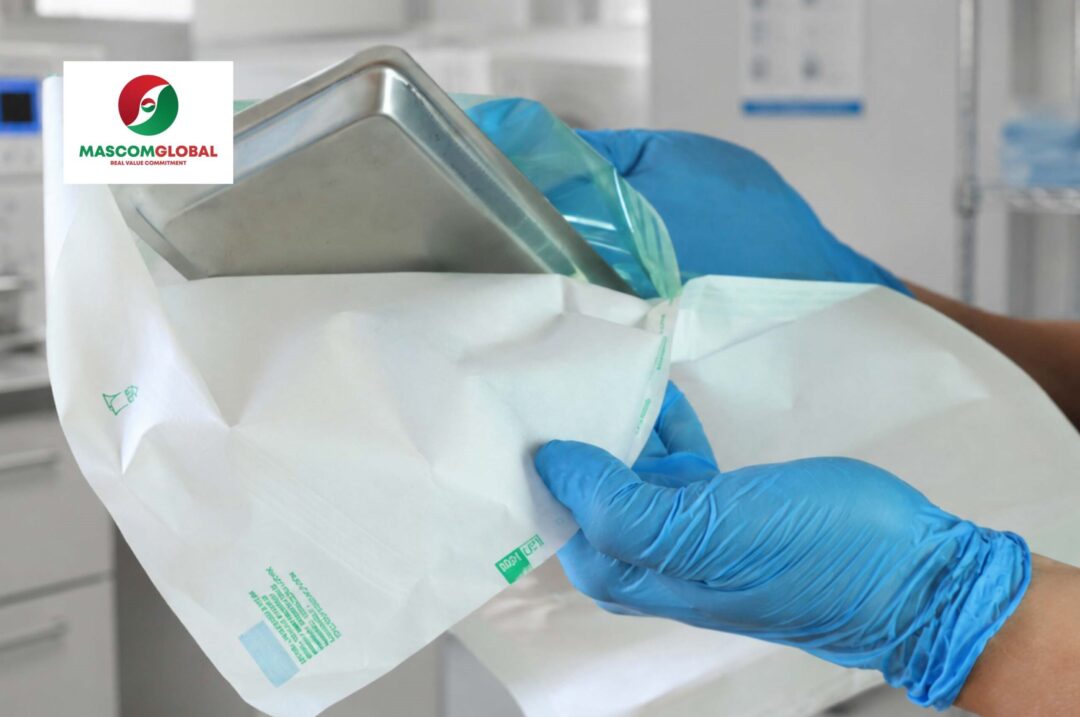
- Medical packaging and protective components
One major trend is the replacement of PVC and traditional rubber with TPE for safer and more sustainable solutions.
-
Industry Trends and Future Development
The Medical TPE market continues to evolve with key trends:
6.1. Enhanced Safety
- Development of ultra-pure, biocompatible materials
- Elimination of all potentially harmful additives
6.2. Sustainability
- Recyclable and eco-friendly formulations
- Reduced environmental impact during production
6.3. High Performance
- Improved transparency and durability
- Enhanced resistance to heat and sterilization processes
-
Mascom Global – Your Trusted Partner in Plastic Material Solutions
Producing high-quality medical-grade materials requires reliable raw material suppliers. Mascom Global is a trusted partner in the plastic industry, offering advanced and cost-effective material solutions tailored to modern manufacturing needs.
Our product portfolio includes:
- Filler Masterbatch: Cost optimization with stable performance
- Color Masterbatch: Consistent and safe coloration solutions
- Additive Masterbatch: Functional enhancements such as UV resistance, anti-static, and thermal stability
- PVC Compound: Customized formulations for a wide range of industrial applications
With strong technical expertise and global experience, Mascom Global supports customers in:
- Developing optimized material formulations
- Meeting international standards and compliance requirements
- Enhancing product quality and competitiveness
Conclusion
Medical TPE is a high-performance material that plays a crucial role in the healthcare industry due to its safety, flexibility, and compliance with strict standards. Understanding its composition and regulatory requirements is essential for manufacturers aiming to deliver reliable and safe medical products.
If you are looking for advanced and cost-effective plastic material solutions, Mascom Global is your trusted partner, helping you achieve innovation, quality, and sustainable growth in the global plastics market.
