Blog
Types of Bio Plastics and Applications in Bio Compound Production
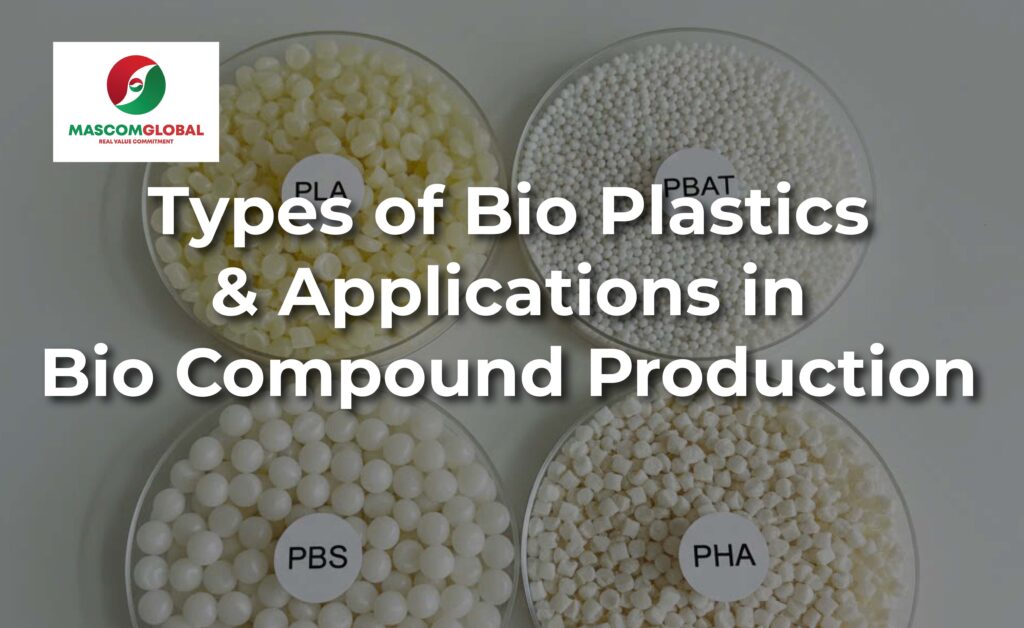
With increasing global awareness of environmental protection and stricter regulations on single-use plastics, bio-based and biodegradable plastics have become an essential alternative to conventional petrochemical materials. Not only European and Americas countries recommend to use these biodegradable and alternative products. Nowadays, many countries in Asia, Africa, Middle East etc encourage to replace products from virgin plastic by bio-plastics or paper products
These Bio Plastics are derived from renewable resources such as corn starch, sugarcane, or cassava, offering a lower carbon footprint and improved end-of-life options through compostability or biodegradability. Below is some common bio plastics and it’s applications in plastic industry
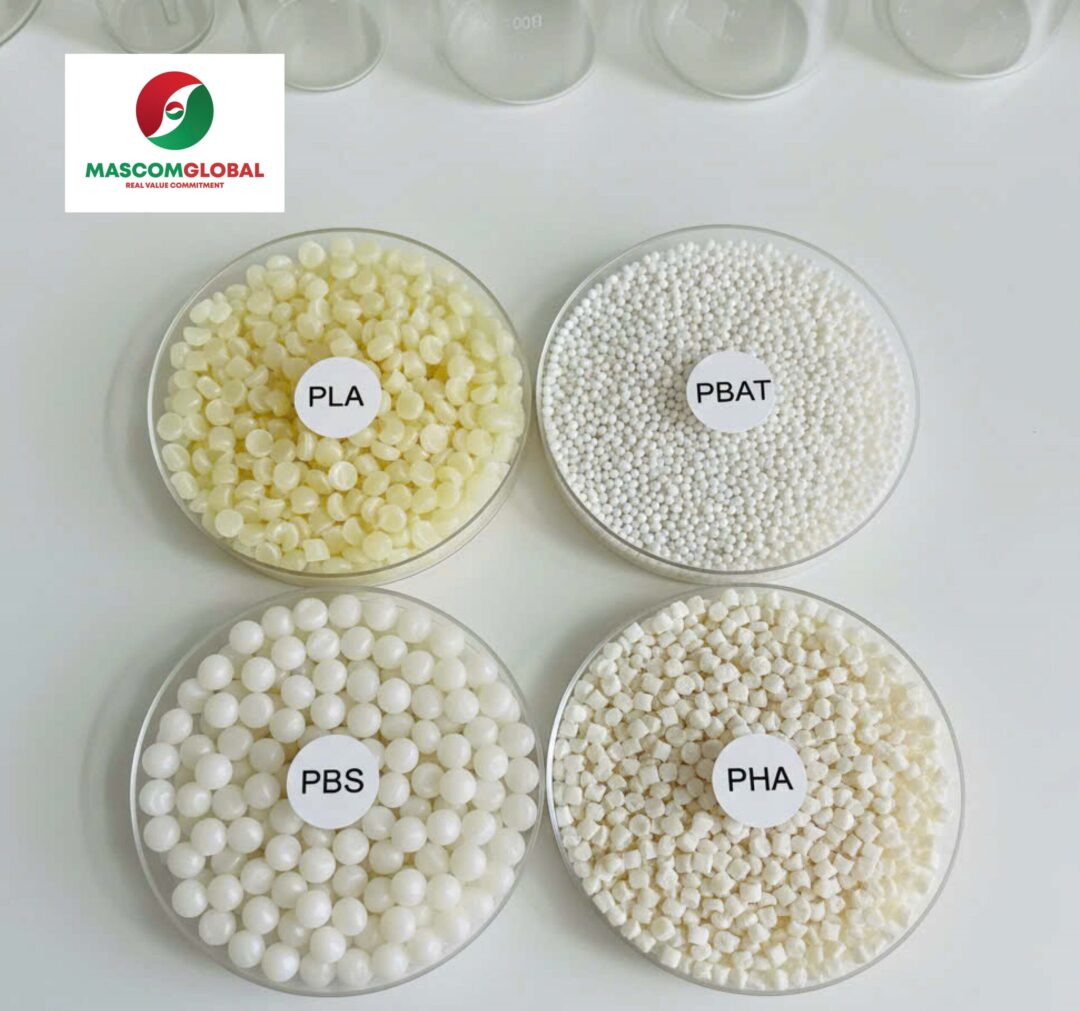
1. Main Types of Bio Plastics
1.1 PLA (Polylactic Acid)
- Produced from fermented plant starch (commonly corn or cassava).
- Biodegradable under industrial composting conditions.
- Eco-friendly: A more sustainable alternative to petroleum-based plastics.
- Good mechanical properties: Offers moderate strength, rigidity, and stiffness, though this can be modified.
- High gloss and clarity: Comparable to PET, making it good for aesthetically pleasing products.
- Food safe: Generally regarded as safe for food contact due to its non-toxic breakdown products.
- Easy to process: Has good workability
Applications: food packaging, disposable tableware, thermoformed trays, and 3D printing filament.
1.2 PBAT (Polybutylene Adipate Terephthalate)
- A biodegradable polymer known for its flexibility and toughness, similar to
- Often blended with PLA or starch to improve mechanical and processing properties.
- It has relatively low tensile strength, but this can be improved by blending with other polymers.
- The cost of raw materials for PBAT is relatively high, making it more expensive than traditional plastics.
- Barrier Properties: It has a high oxygen permeation but a lower water vapor permeability compared to some other bioplastics
Applications: compostable shopping bags, agricultural films, and flexible packaging.
1.3 PBS / PBSA (Polybutylene Succinate / Polybutylene Succinate Adipate)
- Derived partly from renewable feedstock.
- Combines biodegradability with good heat and chemical resistance.
- Mechanical Properties: PBS has good strength and ductility, while PBSA is known for its flexibility. These properties can be enhanced by blending with other materials or adding fillers.
- Biodegradation Pathway: PBS degrades into low-molecular-weight polymers when exposed to water, with the rate increasing with temperature.
- Customizable Properties: The properties of PBS and its copolymers can be tailored by changing the composition, such as adding adipic acid to create PBSA.
Applications: extrusion films, coffee capsules, coated paper, injection molding, and thermoforming and agricultural mulch films.
1.4 PHA (Polyhydroxyalkanoates)
- 100% bio-based and fully biodegradable in soil and marine environments.
- Versatility: The properties of PHAs can be customized by altering the microorganism and fermentation conditions
- Renewable source: PHAs are derived from renewable resources, aligning with the principles of a circular bioeconomy.
- Barrier properties: Some PHAs exhibit excellent barrier properties
Applications: cosmetic and medical packaging, marine products, and single-use items.
2. What is a Bio Compound?
A Bio Compound is a custom-engineered material that combines bio-based resins (like PLA, PBAT, PBS, or PHA) with selected additives, fillers, or biodegradable masterbatch to enhance mechanical, thermal, and processing performance.
Bio Compounds help manufacturers achieve:
- Improved strength and flexibility for end products.
- Optimized processability for film blowing, injection, or extrusion applications.
- Cost-effectiveness through material blending.
- Reduced environmental impact and compliance with green standards.
3. Applications of Bio Compounds
Bio Compounds are widely used in:
- Compostable shopping and garbage bags
- Agricultural mulch films
- Disposable food containers and cutlery
- 3D printing filaments
- Paper coating and lamination layers
- Biodegradable packaging for consumer goods
4. Mascom Global Join Stock Company– Your Reliable Bio Compound Manufacturer
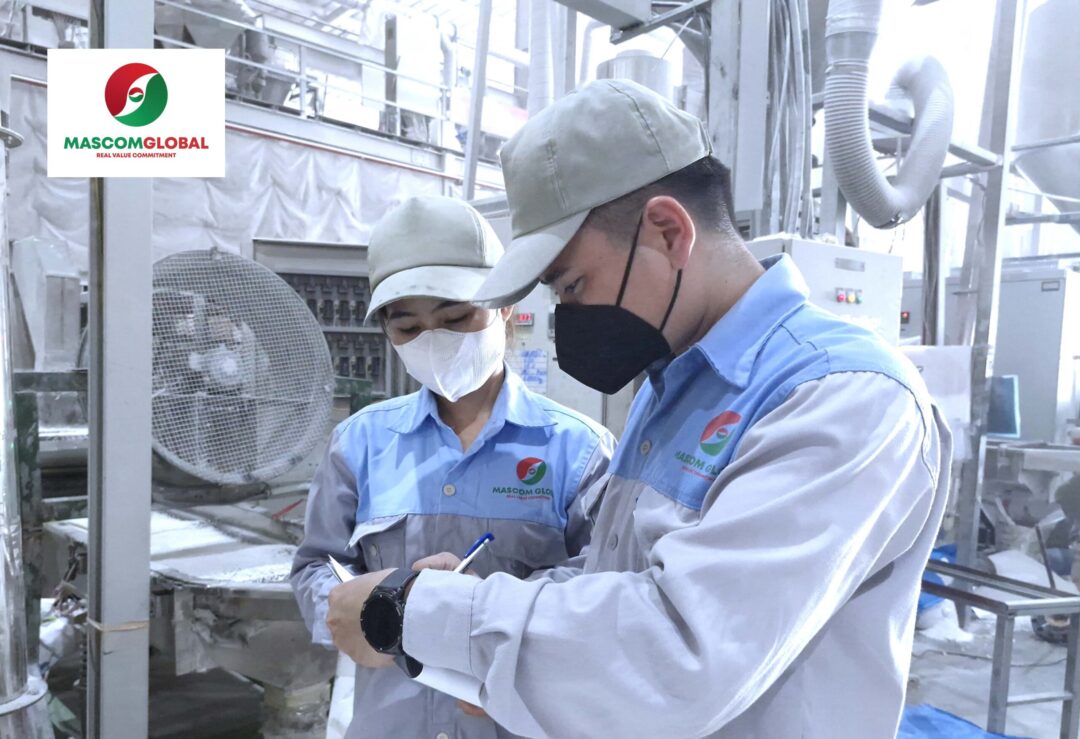
Mascom Global is committed to providing sustainable solutions through advanced material technology.
We are currently supplying PBAT-based Bio Compounds and PBAT Biodegradable Masterbatch designed to meet the growing demand for eco-friendly plastic alternatives.
Our products are developed to ensure:
- High compatibility with PLA and starch-based resins
- Excellent film processing performance.
- Compostability and sustainability compliance.
With strong R&D capability and continuous innovation, Mascom Global supports manufacturers worldwide in their transition toward green, circular, and low-carbon production.
5. Toward a Sustainable Future
By combining renewable raw materials with compounding expertise, Mascom Global strives to create bio compounds and masterbatches that balance performance, cost, and environmental responsibility.
Together with our partners, we are shaping a sustainable future for the plastics industry — one compound at a time.
