Blog
What is Transparent Filler Masterbatch?
-
What is Transparent Filler Masterbatch?
 (Illustrative purpose only)
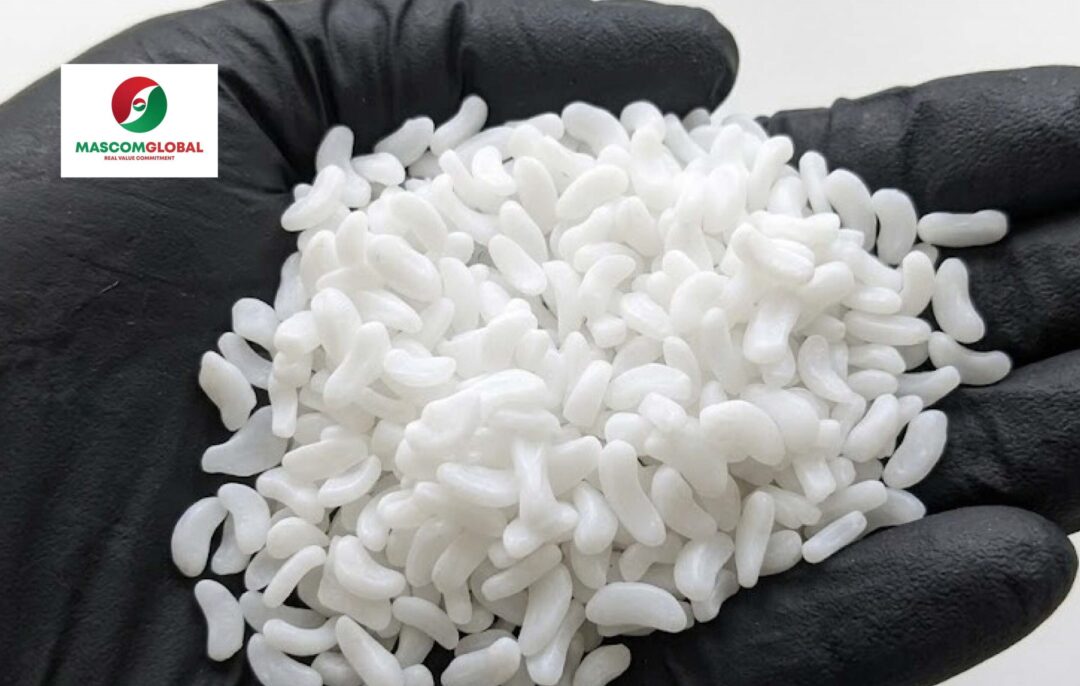
Transparent Filler Masterbatch is a granular compound consisting of a carrier resin (PE or PP), high-refractive-index inorganic mineral powders (such as Barium Sulfate – BaSO4 or Sodium Silicate – Na2SiO3), and specialized dispersion additives.
The core distinction lies in the Refractive Index. These mineral particles possess a refractive index nearly identical to the base resins (PP or PE). Consequently, when light passes through the polymer matrix, light scattering is minimized, allowing the plastic film to remain clear and vibrant rather than becoming “milky” or dull as it would with traditional CaCO3 fillers.
-
Detailed Material Composition
A high-quality transparent filler typically comprises three primary components:
- Inorganic Mineral Powder (60% – 80%): The most common choices are Barium Sulfate (BaSO4), Magnesium Silicate (Talc), or Sodium Aluminum Silicate. These minerals must be micronized to a sub-micron or nano-scale level to prevent surface roughness in thin films.
- Carrier Resin: Usually virgin LLDPE, LDPE, or PP, depending on the final application. The carrier ensures that the filler integrates seamlessly with the primary polymer during the extrusion or blowing process.
- Processing Additives: These include dispersants, coupling agents, and lubricants. They ensure the filler particles are uniformly distributed throughout the molten polymer, preventing “agglomeration” (clumping).
-
Outstanding Technical Advantages
Why do manufacturers of BOPP films or agricultural PE films prioritize this specific filler?
3.1. Retention of Transparency and Gloss
This is the primary advantage of transparent filler masterbatch. Even at high loading rates (up to 20% – 30%), the product maintains excellent light transmission and a glossy surface finish, ensuring that printed information on packaging remains sharp and legible.
3.2. Enhanced Mechanical Properties
Transparent filler improves the stiffness, tensile strength, and impact resistance of the plastic. For plastic bags, it provides better structural integrity (standing shape) and reduces shrinkage during the film-blowing cooling phase.
3.3. Thermal Efficiency and Productivity
Due to the superior thermal conductivity of the mineral crystals, the polymer blend melts and cools faster. This shortens the cycle time, potentially increasing machine output by 5% to 15%.
3.4. Compatibility with Printing and Sealing
Unlike recycled resins, transparent filler masterbatch does not significantly alter the surface tension of the film. This ensures excellent ink adhesion and does not compromise the integrity of heat-sealed joints.
-
Key Industrial Applications
 (Illustrative purpose only)
Transparent Filler Masterbatch is often called the “versatile filler” for premium segments:
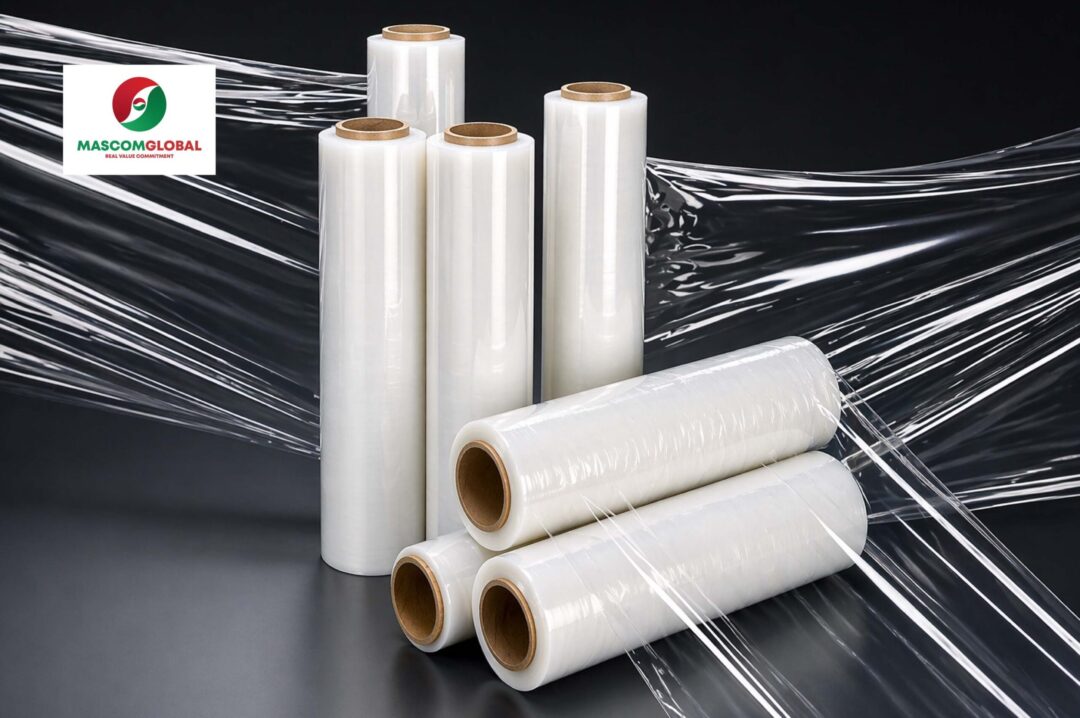
- Film Blowing: Used in stretch films, high-end shopping bags, greenhouse films, and multi-layer food packaging.
- Injection Molding: Production of transparent household goods, food containers, and aesthetic plastic trays.
- Sheet Extrusion: Transparent roofing sheets and technical plastic boards.
- PP Woven Bags: Enhances strength and reduces costs for cement or fertilizer bags while maintaining the vivid colors of the brand logo.
-
Expert Technical Tips for Usage
Drawing from a decade of experience, here are a few “golden rules” for your technical team:
- Loading Ratios: While the goal is to cut costs, do not be overly aggressive. An ideal ratio is typically 5% – 25%. Exceeding this threshold may significantly reduce the tear strength of the film.
- Moisture Control: Although BaSO4-based fillers are less hygroscopic than CaCO3, they must still be stored in a dry environment. Moisture in the filler will lead to “fish eyes” (bubbles) in the final film.
- Matching Carrier Resins: Always ensure the carrier resin of the masterbatch matches your base resin (e.g., use a PE-based filler for LDPE/LLDPE resins) to avoid delamination.
Conclusion
Transparent Filler Masterbatch is not merely a cost-cutting tool; it is a strategic asset for plastic manufacturers looking to stay competitive amidst fluctuating raw material prices. By selecting the right supplier and optimizing your mix ratio, you can achieve the perfect balance of Quality, Aesthetics, and Profitability.
