Blog
Plastic Containers for Food Packaging
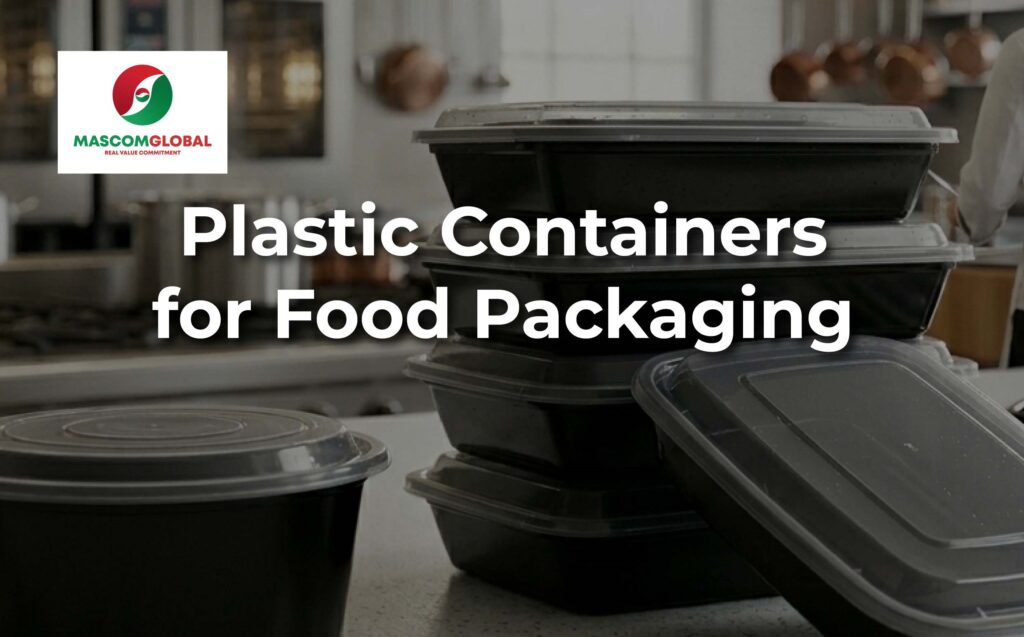
Plastic containers for food packaging have become an indispensable part of modern food distribution, shaping how food is stored, transported, displayed, and consumed. From supermarkets and food delivery services to home kitchens, plastic packaging is now present in nearly every stage of the food supply chain. Its widespread adoption is driven by practicality, affordability, and continuous technological advancement. At the same time, growing environmental concerns have placed plastic containers for food packaging at the center of discussions about sustainability and responsible consumption. Understanding their role requires examining both their advantages and the challenges influencing their future development.
1. Versatility and Practical Applications of Plastic Containers for Food Packaging
(Illustrative purpose only)
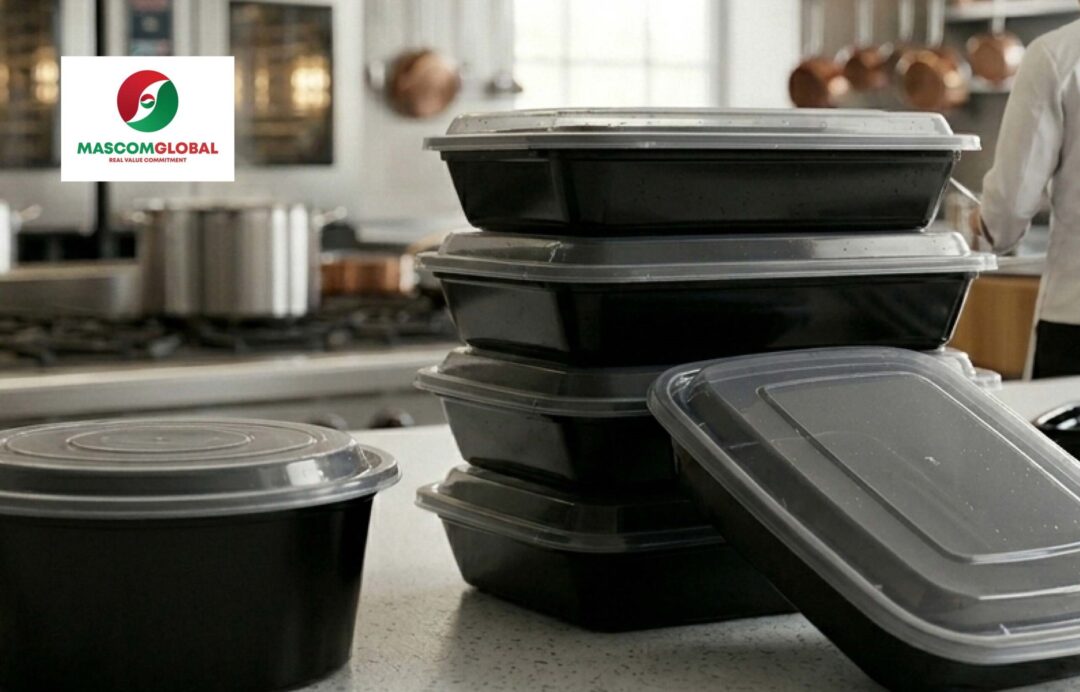
One of the key reasons plastic containers for food packaging dominate the industry is their exceptional versatility. Unlike materials such as glass or metal, plastics can be manufactured into countless shapes, sizes, and textures to meet specific packaging requirements. Whether it is a leak-proof container for soups, a breathable package for fresh produce, or a rigid tray for ready meals, plastic materials provide highly adaptable solutions. Common materials such as polyethylene (PE), polypropylene (PP), and polyethylene terephthalate (PET) each offer unique benefits, including heat resistance, transparency, flexibility, and durability. These characteristics help protect food from moisture, oxygen, and external contaminants while maintaining product quality.
2. Convenience and Food Safety Benefits
In addition to versatility, plastic containers for food packaging offer significant convenience for both businesses and consumers. Their lightweight structure reduces transportation costs and lowers energy consumption compared to heavier alternatives like glass. For manufacturers and retailers, this improves logistics efficiency and reduces operational expenses. For consumers, plastic containers are easy to carry, stack, and store, while many designs are resealable, microwave-safe, and freezer-friendly. As takeaway services and online food delivery continue to expand, the demand for convenient and reliable packaging solutions has increased substantially.
Food safety is another major advantage of plastic packaging. Food-grade plastics are produced under strict regulations to ensure safe usage when handled correctly. Features such as airtight seals, tamper-evident lids, and advanced barrier protection help preserve freshness and prevent contamination. Transparent packaging also allows consumers to visually inspect products before purchase, increasing confidence and trust. In sectors such as ready-to-eat meals and fresh food retail, maintaining hygiene and product integrity is essential, and plastic containers remain highly effective in achieving these standards.
3. The Role of Plastic Packaging in Reducing Food Waste
(Illustrative purpose only)
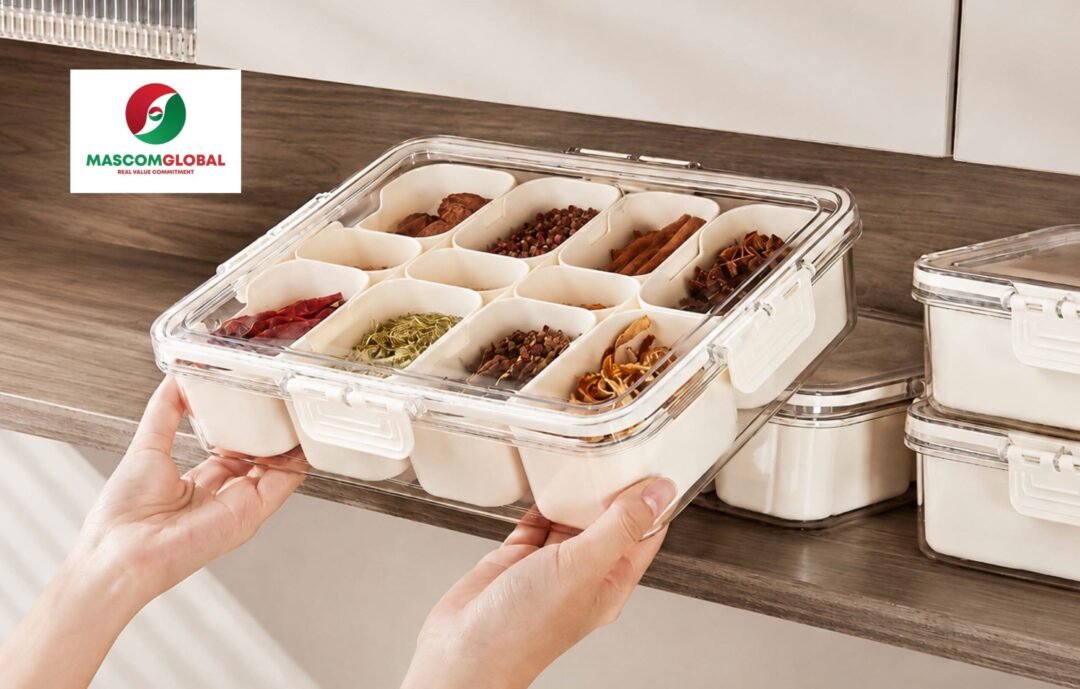
Another important benefit of Plastic containers for food packaging is their contribution to reducing food waste. By extending the shelf life of perishable products, plastic packaging minimizes spoilage during transportation, storage, and retail display. Advanced technologies such as modified atmosphere packaging (MAP) rely heavily on plastic materials to regulate the internal environment within containers, helping fruits, vegetables, and prepared foods remain fresh for longer periods. Considering that food waste is a growing global challenge, the protective capabilities of plastic packaging play a highly significant role in improving food preservation and supply chain efficiency.
4. Environmental Concerns and Sustainable Innovations in Plastic Containers for Food Packaging
Despite their advantages, the environmental impact of plastic containers for food packaging remains a serious concern. Single-use plastics have contributed to increasing levels of pollution worldwide, with large volumes of waste ending up in landfills, rivers, and oceans where decomposition may take hundreds of years. This has created severe ecological consequences, including damage to marine ecosystems and the spread of microplastics. As environmental awareness grows, governments, businesses, and consumers are demanding more sustainable packaging solutions.
In response, the food packaging industry is undergoing rapid transformation. Many companies are investing in eco-friendly alternatives such as biodegradable and compostable plastics derived from renewable resources including cornstarch and sugarcane. At the same time, recyclable materials and closed-loop recycling systems are receiving greater attention, allowing used plastics to be collected, processed, and reused in new packaging production. Packaging innovation is also focusing on thinner and lighter container designs that maintain durability while reducing material consumption.
Another emerging trend is the adoption of reusable packaging systems. Some businesses are introducing returnable containers that can be cleaned and reused multiple times, helping reduce dependence on single-use plastics. This approach is becoming increasingly popular in urban markets and among environmentally conscious consumers. Although still developing on a broader scale, reusable systems have strong potential to reduce packaging waste significantly in the future.
5. Consumer Awareness, Regulations, and Industry Responsibility
Consumer behavior now plays a crucial role in shaping the future of plastic containers for food packaging. Increasingly, consumers are choosing products with minimal, recyclable, or sustainable packaging, encouraging brands to adopt greener practices. Effective waste management is equally important, as recycling systems only function efficiently when waste is sorted and disposed of properly. Educational campaigns and public awareness initiatives can help improve recycling rates while reducing contamination within recycling streams.
Governments worldwide are also introducing stricter regulations to address plastic pollution. Policies such as bans on selected single-use plastics, taxes on plastic bags, and incentives for sustainable packaging are becoming more common across global markets. These measures are encouraging companies to accelerate innovation and invest in environmentally responsible packaging solutions. Long-term progress, however, requires collaboration between governments, industries, and consumers to build a more sustainable packaging ecosystem.
6. Conclusion
In conclusion, plastic containers for food packaging have transformed the modern food industry by providing convenience, safety, durability, and efficiency. They play a critical role in preserving food quality and reducing waste throughout the supply chain. However, their environmental impact remains a major challenge that cannot be ignored. Achieving a balance between functionality and sustainability will require continued innovation, responsible manufacturing practices, and greater consumer awareness. Through these combined efforts, plastic packaging can continue to support the food industry while minimizing its long-term environmental footprint.
Looking ahead, the future of plastic containers for food packaging will likely be defined by innovation, efficiency, and sustainability. Although plastics are unlikely to disappear completely in the near future due to their practicality and cost-effectiveness, their role within the packaging industry will continue to evolve.The focus will increasingly shift toward advanced materials, more efficient recycling technologies, and more responsible consumption habits, while also highlighting the growing role of companies in plastic materials and solution development, such as Mascom Global, in supporting the industry’s transition toward sustainability.
