
Black masterbatch is widely used across the plastics industry - from refuse bags, agricultural mulch films, and HDPE pipes to automotive components and electronic housings - thanks to its premium appearance, high hiding power, and UV protection.
However, manufacturers often encounter common production defects such as black specks, insufficient jetness, bubbles, or filter clogging. These issues not only compromise product aesthetics but also drive up scrap rates and production costs. Understanding their root causes and solutions is essential to maximizing the performance of your black masterbatch.
1. What Is Black Masterbatch?
Black Masterbatch is a concentrated pellet produced by dispersing carbon black into a carrier resin such as PE, PP or other polymers, together with suitable additives. Its quality depends on the type of carbon black, pigment loading, dispersion quality and compatibility with the base polymer. It is widely used in blown film extrusion, injection moulding, blow moulding, pipe extrusion, sheet extrusion and plastic fibre production.
2. Common Defects When Using Black Masterbatch and How to Solve Them
2.1. Black Specks and Undispersed Particles on the Surface
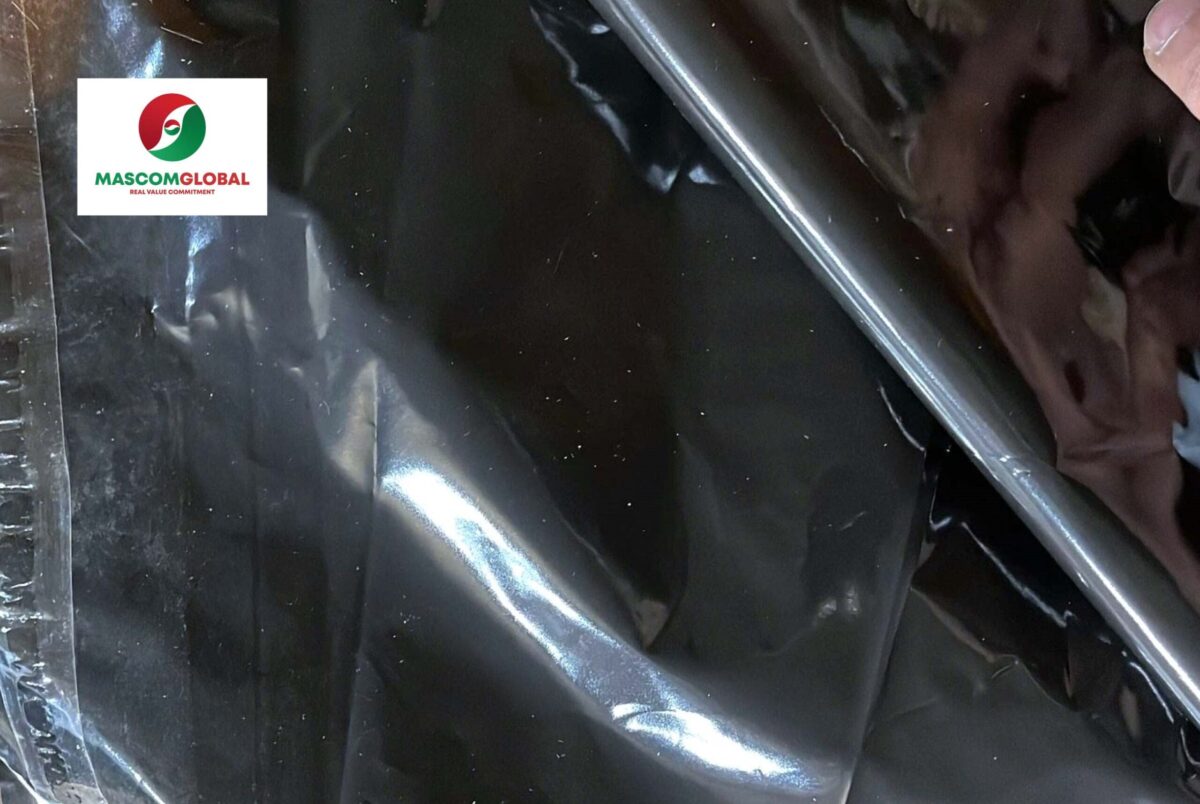
(Illustrative purpose only)
- Cause: Carbon black has a strong tendency to agglomerate. If the masterbatch has poor dispersion or mixing in the processing machine is insufficient, pigment agglomerates appear as black specks, which are especially visible in thin films.
- Solution: Select a Black Masterbatch with good dispersion performance, using indicators such as the Filter Pressure Value as a reference. Processors can also adjust back pressure, screw speed or processing temperature to improve mixing efficiency.
2.2. Insufficient Jetness or a Brownish or Greyish Tone
- Cause: Jetness and undertone depend on carbon black particle size, pigment loading and dispersion level. A dosage that is too low, or base resins with high filler content or inconsistent recycled base colours, can also make the black appear weaker.
- Solution: Choose a Black Masterbatch grade whose jetness matches the product's aesthetic requirements, and run trials at several dosage levels to identify the optimal ratio. For recycled resins, evaluate the base colour of each material batch before production.
2.3. Streaks and Uneven Colour
- Cause: A large difference between the melt flow index (MFI) of the carrier resin and the base polymer, uneven premixing or an unstable dosing system.
- Solution: Select a masterbatch with a carrier resin compatible with the base polymer, use gravimetric dosing equipment and calibrate it regularly to keep the mixing ratio stable.
2.4. Bubbles, Voids and Rough Surfaces
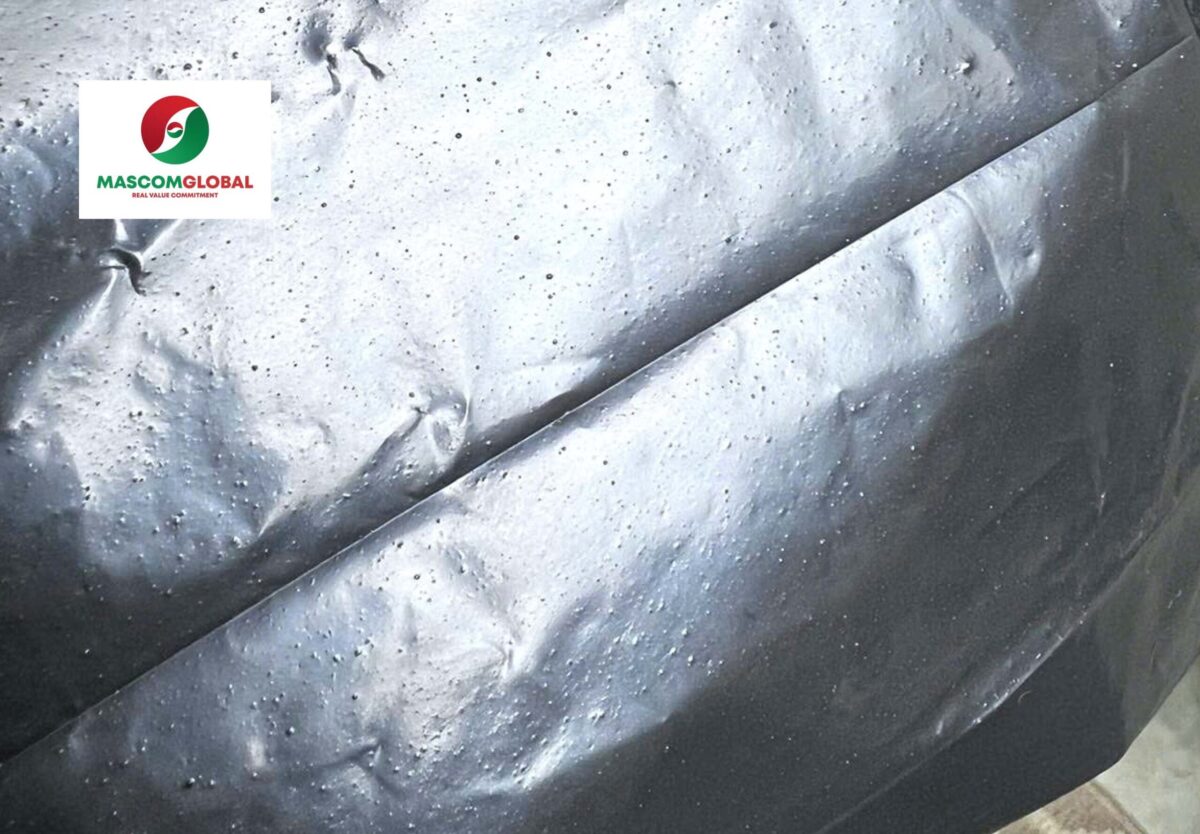
(Illustrative purpose only)
- Cause: Carbon black is hygroscopic. When Black Masterbatch is stored in humid conditions or left in opened packaging for too long, absorbed moisture can cause bubbles, voids or surface roughness during processing.
- Solution: Store masterbatch in sealed packaging in a dry place, away from direct sunlight. In high-humidity environments, dry the masterbatch according to the supplier's recommendations before use.
2.5. Filter Clogging and Rising Melt Pressure
- Cause: Undispersed carbon black agglomerates or contaminants in raw materials build up on the screen pack, causing pressure to rise quickly and forcing frequent stoppages for screen changes.
- Solution: Prioritise high-dispersion Black Masterbatch for demanding applications such as thin films and fibres, monitor melt pressure closely and control the quality of incoming raw materials.
3. Preventive Measures When Using Black Masterbatch
Choose the Right Grade for Each Application: Thin films, pipes, injection-moulded parts and fibres each have different requirements for jetness, dispersion and UV protection.
Inspect Incoming Materials: Check moisture, melt flow index and batch-to-batch consistency of both the masterbatch and the base resin.
Control Processing Conditions: Keep temperature, screw speed and the dosing system stable throughout production.
Trial Before Full-Scale Production: Run trials at different dosage levels and compare colour, surface quality and finished-product properties before scaling up.
4. Mascom Global - Vietnamese Black Masterbatch Solutions for Modern Manufacturing
With advanced manufacturing capabilities, Mascom Global is one of Vietnam's leading manufacturers and exporters of masterbatch, operating a 25,000 m² facility in Phu Tho Province with a designed capacity of up to 240,000 tonnes per year across its masterbatch and compound product lines. Supported by advanced extrusion technology, strict quality control systems and customised formulation capabilities, Mascom Global supplies Black Masterbatch with good dispersion, consistent jetness and competitive pricing, suitable for applications such as film blowing, injection moulding and plastic extrusion.
Conclusion: Controlling Defects to Maximise the Performance of Black Masterbatch
Most defects associated with Black Masterbatch stem from dispersion quality, compatibility with the base polymer, storage conditions and processing parameters. By identifying the right root cause, manufacturers can resolve issues effectively and prevent them from recurring. Choosing high-quality Black Masterbatch from a technically capable supplier, combined with process control and practical trials, enables plastic manufacturers to maintain consistent product quality, reduce scrap and optimise production costs.