Polyethylene wrap is an essential plastic film manufactured from PE resin, widely valued across food packaging, logistics, agriculture, and construction for its flexibility, durability, and moisture resistance.
However, producing high-quality polyethylene wrap comes with significant financial challenges. Because raw resin accounts for the largest share of manufacturing expenses, volatile crude oil prices, supply chain shifts, and fluctuating freight costs put immense pressure on profit margins - especially when buyers demand competitive pricing without sacrificing performance. Achieving smart production savings requires more than just sourcing cheaper materials; it demands a holistic approach covering formulation optimization, precise machine control, and waste reduction.
So, what are the most effective strategies to cut costs in polyethylene wrap manufacturing while maintaining top-tier quality? Let’s explore the solutions for maximizing efficiency in polyethylene wrap production.
Key Factors Affecting PE Film Production Costs
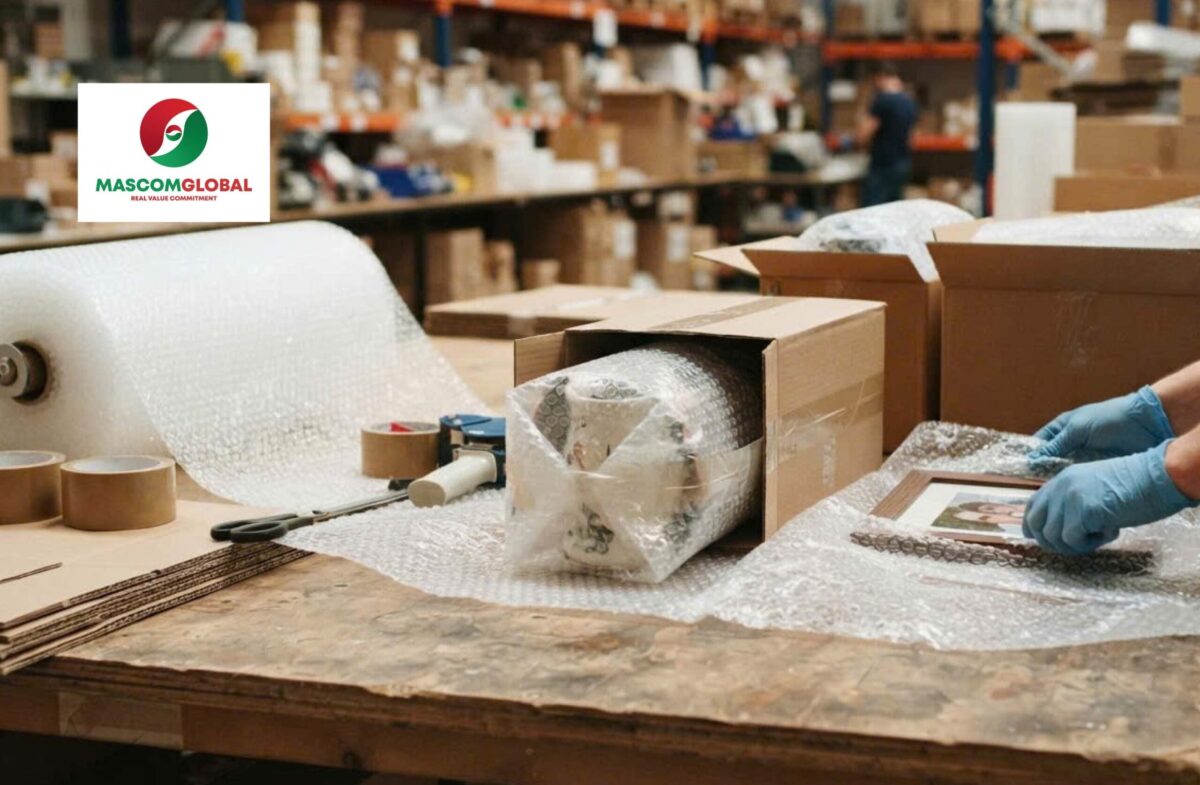
(Illustrative purpose only)
Before implementing cost-saving strategies, manufacturers need to identify the main factors that directly influence their production costs.
1. PE Raw Material Costs
PE resin is the primary raw material used in plastic film manufacturing. Depending on the production technology and product requirements, manufacturers may use LDPE, LLDPE, or other types of polyethylene.
Each type of resin offers different characteristics in terms of tensile strength, elongation, transparency, and processability.
When raw material prices increase, the production cost per kilogram of finished film also rises. Therefore, developing an appropriate material formulation and selecting the right resin for each application are essential for effective cost control.
2. Material Waste During Production
During the film extrusion process, manufacturers may encounter problems such as uneven film thickness, film breakage, inconsistent surfaces, or other production defects.
These issues increase scrap rates, consume additional raw materials, and extend production time.
If not properly controlled, material waste can significantly increase manufacturing costs and negatively affect factory profitability.
3. Machinery Efficiency and Energy Consumption
Extrusion temperature, screw speed, film take-up speed, and cooling systems all have a direct impact on production efficiency.
Improper machine operation can result in higher energy consumption, reduced production speed, and an increased rate of defective products.
Therefore, optimizing operating parameters is another important approach that manufacturers should consider when improving production costs.
Effective Solutions for Optimizing Costs in Polyethylene Wrap Production
1. Optimize Raw Material Formulations for Polyethylene Wrap
One of the most important strategies is to develop a suitable material formulation that meets the technical requirements of each PE film application.
Instead of relying on only one type of virgin resin, manufacturers can consider combining different grades of PE at appropriate ratios to achieve a balance between production costs and product performance.
For example, blending LDPE and LLDPE can help adjust film flexibility, elongation, and mechanical strength.
However, the blending ratio should be carefully tested to ensure that the finished film meets the required specifications for thickness, tensile strength, tear resistance, and performance stability during use.
A formulation with a lower raw material cost does not necessarily deliver better economic efficiency if it compromises product quality or increases the scrap rate.
2. Use PE Filler Masterbatch to Reduce Polyethylene Wrap Material Costs
PE Filler Masterbatch is one of the solutions increasingly considered by plastic film manufacturers seeking to optimize raw material costs.
It is a concentrated additive in pellet form, typically containing Calcium Carbonate (CaCO₃) dispersed in a PE resin carrier, together with processing and dispersion aids.
When used at an appropriate loading level, PE Filler Masterbatch can help reduce the amount of virgin PE resin required in the production formulation.
Some key benefits include:
- Lower raw material costs: Calcium Carbonate can help reduce overall formulation costs compared with using virgin PE resin alone.
- Improved stiffness: An appropriate filler content can help adjust film stiffness and dimensional stability.
- Dimensional control: In certain formulations, CaCO₃ can influence shrinkage characteristics and dimensional stability.
- Improved production economics: When properly formulated for the extrusion equipment and processing technology, filler masterbatch can help improve cost efficiency per kilogram of finished film.
However, excessive use of filler masterbatch may negatively affect tensile strength, elongation at break, tear resistance, and film transparency.
This is particularly important for PE films that require high transparency or significant stretching performance. Manufacturers should carefully control the filler loading level to maintain the required product properties.
Therefore, it is essential to select a product with good CaCO₃ dispersion, low moisture content, and excellent compatibility with the PE resin matrix.
3. Select High-Consistency PE Filler Masterbatch for Polyethylene Wrap
Not all PE Filler Masterbatch products deliver the same performance.
Product quality depends on several factors, including CaCO₃ content, particle size, surface treatment, additive systems, and dispersion performance in the PE matrix.
When selecting a supplier, manufacturers should consider the following criteria:
- Appropriate CaCO₃ content for the intended formulation.
- Good dispersion performance to minimize agglomeration.
- Low moisture content to reduce the risk of bubbles and surface defects in the film.
- Good compatibility with different PE resin grades.
- Consistent quality between production batches.
Processing characteristics suitable for existing extrusion equipment.
In addition to comparing purchase prices per kilogram, manufacturers should evaluate the actual cost per kilogram of finished film that meets the required quality standards.
This provides a more accurate basis for determining which material delivers better overall economic efficiency.
4. Optimize Film Thickness and Control Material Consumption
Film thickness is one of the key factors directly affecting raw material consumption.
If the film is produced thicker than necessary, manufacturers consume more resin, resulting in higher production costs.
On the other hand, reducing film thickness excessively may compromise mechanical strength and the ability to protect packaged goods.
Therefore, manufacturers should maintain consistent film thickness across the entire film width while continuously evaluating opportunities to optimize material usage for each specific application.
Combining accurate thickness control with an optimized material formulation can help reduce polyethylene wrap material consumption while maintaining finished product quality.
5. Reduce Scrap Rates and Optimize the Polyethylene Wrap Extrusion Process
A high scrap rate means additional consumption of raw materials, electricity, and production time.
To minimize these losses, manufacturers should carefully monitor important operating parameters, including:
Temperature settings in each heating zone.
- Screw speed.
- Extrusion pressure.
- Film take-up speed.
- Cooling system performance.
- Film thickness uniformity.
In addition, regular inspection of screen changers, extrusion dies, and feeding systems is necessary to minimize surface defects and maintain stable production conditions.
A well-controlled extrusion process not only reduces material waste but also improves productivity and lowers operating costs.
6. Control Incoming Raw Material Quality for Polyethylene Wrap
Inconsistent raw material quality can cause various production problems, particularly when factories use different types of resins and additives.
Manufacturers should check important parameters such as Melt Flow Index (MFI), density, moisture content, and other relevant technical properties before introducing materials into production.
For PE Filler Masterbatch, additional attention should be given to dispersion performance, product consistency, and compatibility with the PE resin matrix.
Effective incoming material inspection helps reduce production defects, minimize machine downtime, and maintain consistent product quality across different production batches.
How to Evaluate Cost-Saving Effectiveness in Polyethylene Wrap Production
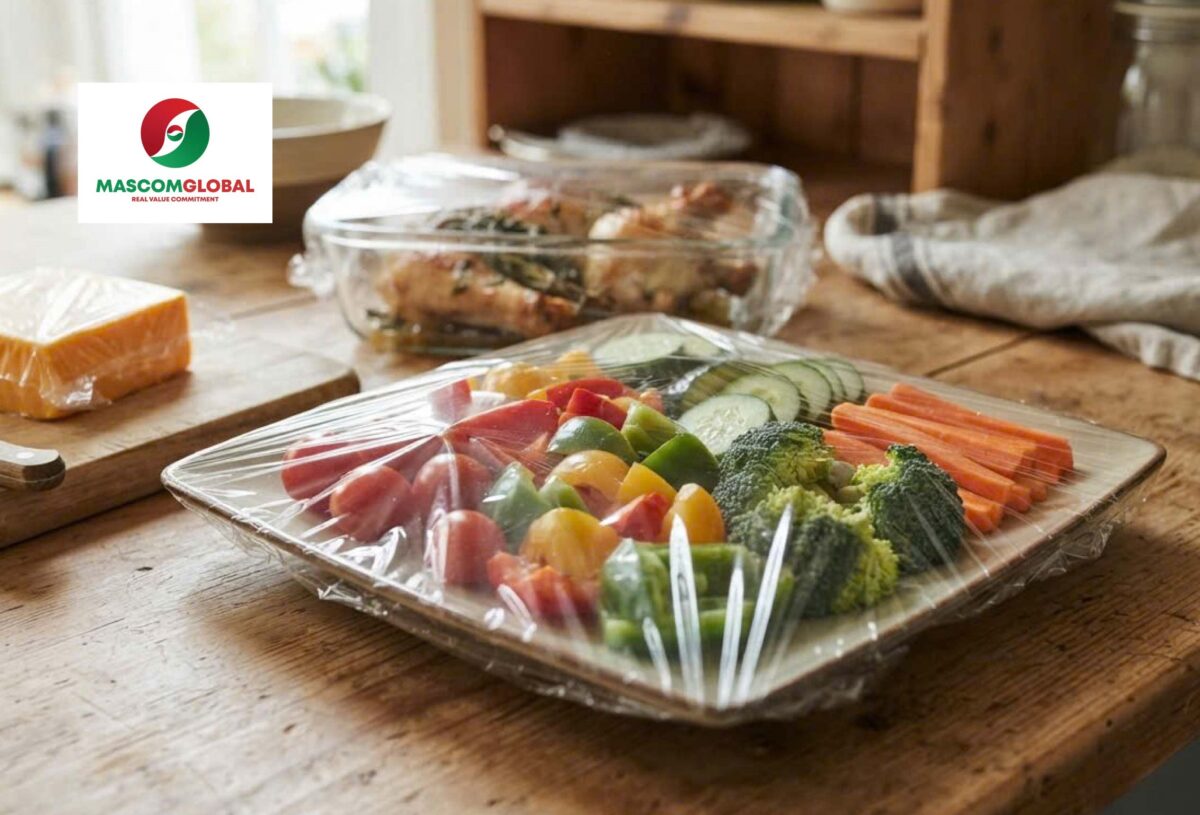
(Illustrative purpose only)
A common mistake in cost optimization is focusing only on raw material purchase prices without considering actual production performance.
For example, a PE Filler Masterbatch with a lower purchase price but poor dispersion performance may require a higher loading ratio or cause additional production defects.
To evaluate cost-saving effectiveness accurately, manufacturers should conduct trials under the same production conditions and compare the following factors:
Total raw material cost per kilogram of finished product.
- Scrap rate.
- Production speed.
- Energy consumption.
- Tensile strength and tear resistance.
- Film thickness and thickness uniformity.
- Finished film surface quality.
By analyzing these factors, manufacturers can identify the formulation that delivers the best economic efficiency without compromising product quality.
Conclusion
Cost optimization in Polyethylene Wrap production requires a comprehensive approach, covering raw material selection, formulation development, and production process control.
Among the available solutions, PE Filler Masterbatch is a practical option worth considering for reducing polyethylene wrap material costs and improving overall production economics. However, achieving the best results requires selecting products with consistent quality, excellent dispersion performance, and a loading ratio suitable for the requirements of each film application.
In addition, controlling film thickness, reducing scrap rates, and improving machinery efficiency are equally important for strengthening manufacturers' competitiveness.
At Mascom Global, we provide PE Filler Masterbatch solutions designed to help plastic film manufacturers optimize polyethylene wrap material costs and improve production efficiency. Contact Mascom to discuss your formulation, equipment, and quality requirements and find a suitable material solution for your manufacturing needs.