[MASCOM GLOBAL] In the global packaging and industrial materials sector, PP Woven Fabric (Polypropylene Woven Fabric) serves as an indispensable raw material. It is extensively used to manufacture agricultural sacks, fertilizer bags, FIBC jumbo bags, erosion control geotextiles, and protective covers. Because PP woven fabric forms the primary cost component of finished packaging solutions, fluctuations in its market price directly impact production budgets and profit margins for manufacturers and buyers alike.
For procurement managers and international trade specialists, understanding what drives the cost of PP woven fabric is crucial for making informed, cost-effective purchasing decisions. Below are the core factors that determine the pricing of PP woven fabric.
1. Raw Material Costs for PP Woven Fabric: Polypropylene Resin & Additives
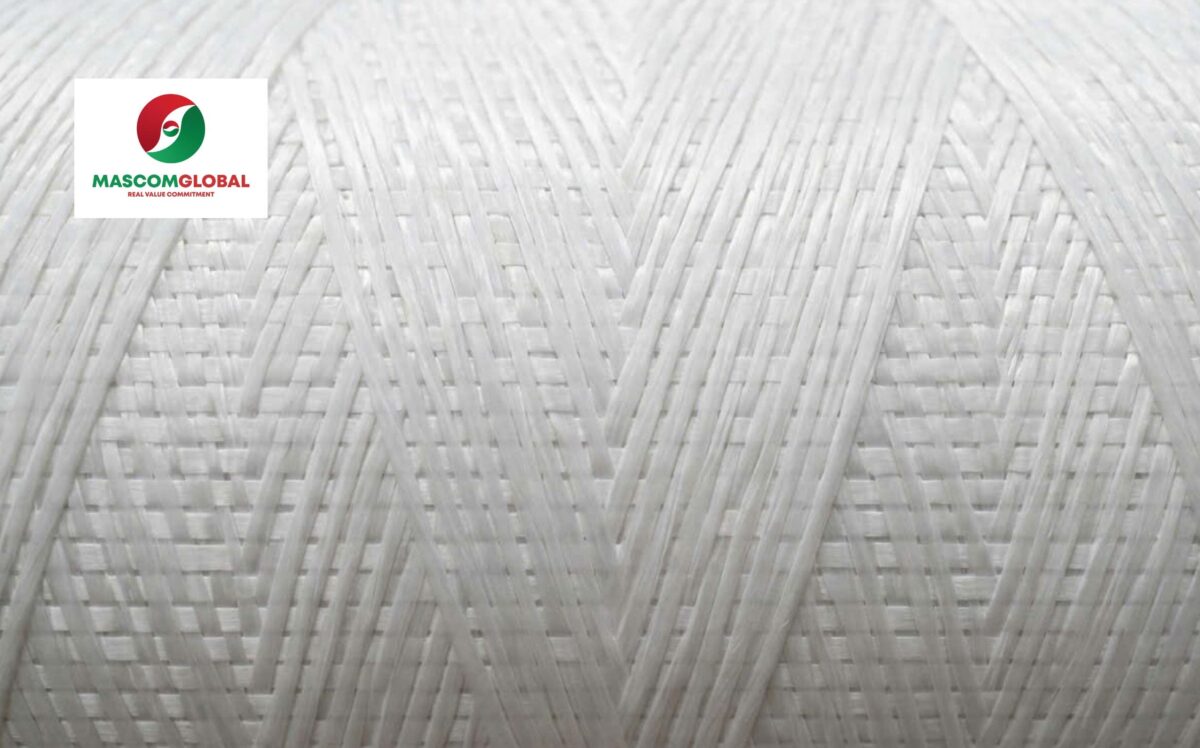
(Illustrative purpose only)
The foundation of any PP woven fabric is Polypropylene (PP) resin, a thermoplastic polymer derived from crude oil and natural gas refinement. Consequently, global petroleum market volatility directly drives base resin prices.
- Virgin PP Resin vs. Recycled Resin: Products made strictly from 100% virgin PP resin offer superior tensile strength, higher load-bearing capacity, and brighter visual appearance, but they come at a premium price. Incorporating recycled PP resin reduces raw material expenses, though it may slightly compromise structural consistency.
- Filler Masterbatch (Calcium Carbonate / CaCO3): To optimize production costs, manufacturers often blend Calcium Carbonate (CaCO3) filler masterbatch - frequently referred to as TaiCal - into the polymer mixture. While adding filler lowers the per-kilogram material cost, excessive loading can reduce yarn elasticity and tensile strength. Achieving the right balance is key to cost-efficiency and product integrity.
2. Structural Fabric Specifications (GSM, Mesh Count, and Denier)
The physical and technical specifications requested by the customer directly determine how much raw material and machine time are consumed during manufacturing.
- GSM (Grams per Square Meter): GSM measures the fabric's weight per unit area. A higher GSM fabric requires more plastic resin per meter, making heavier fabrics inherently more expensive than lighter ones.
- Mesh Count: Mesh count refers to the number of warp and weft yarns woven per square inch. Denser mesh patterns create stronger, tighter fabric weaves, but they consume more yarn and require longer weaving times on circular looms.
- Yarn Denier: Denier measures the linear mass density of the polypropylene tape thread (grams per 9,000 meters of yarn). Thicker, higher-denier threads increase overall material weight and strength, impacting total production costs.
3. Secondary Treatments and Surface Processing
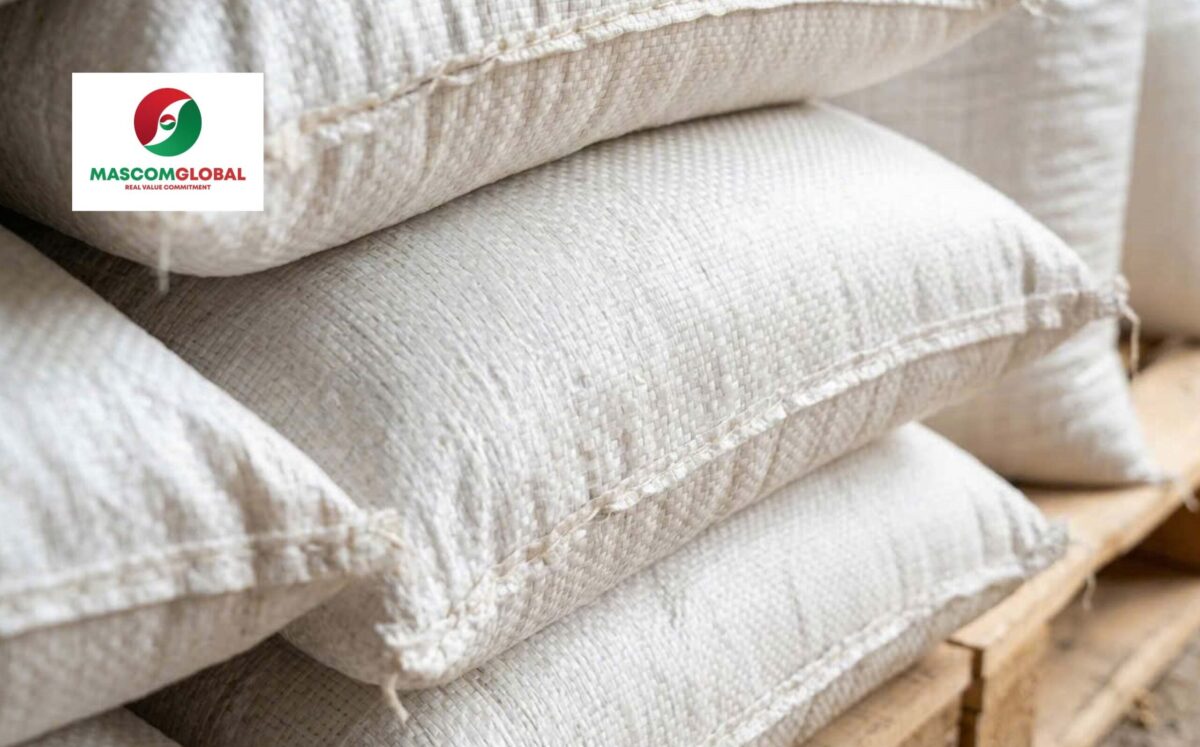
(Illustrative purpose only)
Standard tubular or flat unlaminated PP woven fabric offers the baseline price point. However, industrial packaging frequently requires specialized secondary processing to meet performance demands:
- Extrusion Coating / Lamination: Applying a thin layer of PE or PP film onto the woven surface provides essential moisture-proofing and prevents fine powder leakage. Lamination adds resin cost and an additional processing step.
- UV Stabilization Additives: Products stored outdoors under direct sunlight (such as agricultural bags or geotextiles) require UV stabilizer additives to prevent plastic degradation and embrittlement. Higher UV resistance ratings (e.g., 200 to 1,000 hours of sunlight exposure) increase additive costs.
- Custom Printing & Gusseting: Multi-color Flexographic or Rotogravure printing, along with gusseting or corona treatment for enhanced ink adhesion, increases production complexity and tooling costs.
4. Manufacturing Efficiency: Energy, Machinery, and Labor
The conversion process - converting resin into tape yarn via extrusion, weaving yarn on circular looms, and spooling finished fabric roll stock - requires heavy energy input and skilled operation.
Modern production facilities equipped with high-speed, energy-efficient circular looms and automated tape lines significantly reduce power consumption and labor hours per metric ton. Conversely, older machinery operates with higher scrap rates and elevated utility costs, which are ultimately reflected in the final unit price.
5. Order Volume, Logistics, and Commercial Terms
Commercial and supply chain arrangements play a major role in the final invoice value:
- Economies of Scale: Production lines require time and material to set up for specific mesh sizes, colors, and widths. Large-volume orders - typically full container loads (FCL) - allow manufacturers to amortize setup costs across greater volume, offering substantial discounts compared to Less-than-Container Load (LCL) orders.
- International Freight & Incoterms: Transportation costs, container availability, and shipping terms (FOB, CFR, CIF, or DDP) affect total landed costs, particularly during periods of ocean freight volatility.
Conclusion
Evaluating the cost of PP Woven Fabric requires a comprehensive look beyond the initial price quote per meter or metric ton. By analyzing resin market trends, optimizing fabric specifications (GSM and mesh count), and leveraging economies of scale, buyers can secure high-performance packaging materials that fit their exact budget requirements.