
Blog
What Is Halogen-free Flame Retardant? Benefits and Applications
I. What is Halogen-free Flame Retardant?
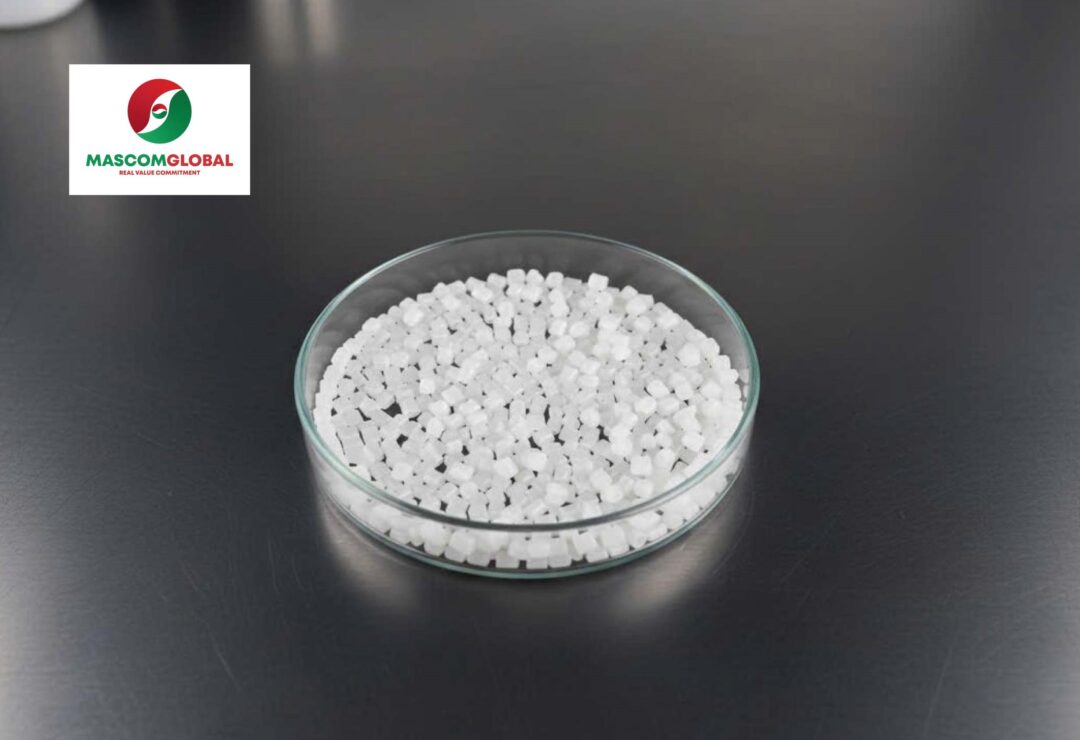
[Mascom Global] Halogen-free flame retardant refers to a group of flame-retardant additives that do not contain halogen elements such as chlorine (Cl), bromine (Br), fluorine (F), or iodine (I). Instead, these flame retardants are typically based on phosphorus, nitrogen, metal hydroxides (such as aluminum hydroxide and magnesium hydroxide), or intumescent systems that expand to form a protective char layer.
When materials are exposed to fire, halogen-free flame retardants function by:
- Forming an insulating char layer on the material surface
- Absorbing heat, thereby lowering the combustion temperature
- Releasing inert gases that dilute oxygen and flammable gases
Thanks to these mechanisms, the combustion process is significantly slowed or even extinguished, while toxic halogen gases such as HCl or HBr are not generated.
As safety and environmental regulations become increasingly stringent, halogen-free flame retardants are emerging as an inevitable trend across many industrial sectors.
II. Why Are Halogen-free Flame Retardants Becoming Increasingly Popular?
In the past, halogen-containing flame retardants were widely used due to their high efficiency and relatively low cost. However, they present several serious disadvantages:
- Release toxic smoke and corrosive gases when burned
- Pose significant risks to human safety during fires
- Cause environmental pollution and are difficult to recycle
- Are restricted or banned in many markets such as the EU, Japan, and the United States
As a result, many manufacturers are gradually shifting to halogen-free flame-retardant solutions to comply with regulations, protect end users, and enhance corporate brand image.
III. Key Benefits of Halogen-free Flame Retardants
1. Improved Human Safety
One of the most important advantages of halogen-free flame retardants is that they do not release toxic halogen gases during combustion. In the event of a fire, this helps to:
- Reduce the risk of smoke inhalation
- Increase evacuation time
- Minimize respiratory injuries
This is especially critical for public buildings, high-rise structures, transportation systems, and electrical equipment.
2. Environmentally Friendly
Halogen-free flame retardants are generally:
- Non-bioaccumulative
- Low in toxic emissions
- More recyclable than halogen-containing materials
Therefore, materials incorporating halogen-free flame retardants can easily comply with environmental regulations such as RoHS, REACH, and WEEE, enabling smoother access to strict international markets.
3. Reduced Smoke and Corrosion During Fire
Compared to halogen-based systems, halogen-free flame retardants produce:
- Lower smoke density
- Less corrosive gases
- Reduced damage to surrounding equipment and structures
This is particularly important in factories, data centers, subway systems, and electrical cable installations.
4. Alignment with Sustainable Material Trends
Halogen-free flame retardants support corporate sustainability strategies. Their use helps companies to:
- Enhance brand value
- Meet ESG (Environmental, Social, and Governance) requirements
- Build long-term competitive advantages
IV. Applications of Halogen-free Flame Retardants in Practice
1. Plastics and Polymer Industry
Halogen-free flame retardants are widely used in:
- PP, PE, ABS, PA, EVA
- Engineering plastics and recycled plastics
Typical applications include:
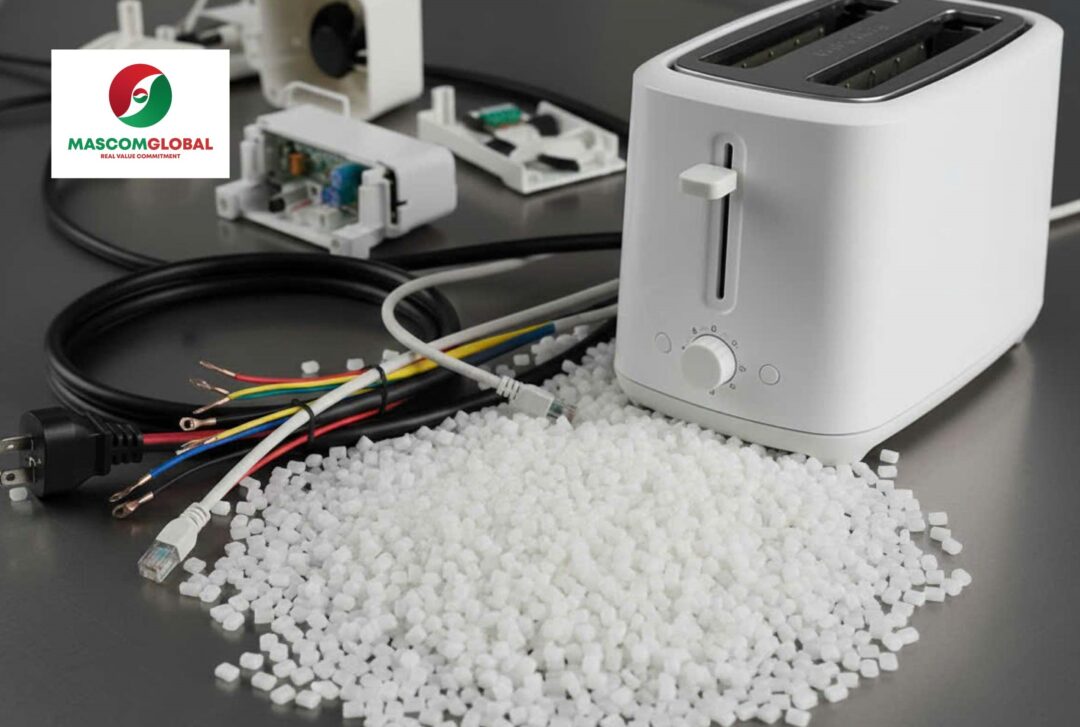
- Electrical and electronic housings
- Automotive components
- Plastic pipes and construction panels
The incorporation of halogen-free flame retardants allows products to meet standards such as UL94 V0 and V1, while maintaining good mechanical properties.
2. Cable and Wire Industry
In the cable industry, halogen-free flame retardants play a crucial role in producing LSZH (Low Smoke Zero Halogen) cables, which offer:
- Low smoke emission
- Zero halogen content
- Enhanced fire safety
These cables are widely used in:
- Airports
- Subway systems
- High-rise buildings
- Data centers
3. Construction and Insulation Materials
Insulation materials, sandwich panels, and composite materials incorporating halogen-free flame retardants help to:
- Improve resistance to flame spread
- Meet fire safety standards
- Support green building requirements
4. Automotive and Transportation Industry
Fire safety requirements in the automotive sector are becoming increasingly strict. Halogen-free flame retardants are used in:
- Vehicle interior components
- Electric vehicle battery housings
- Electrical wiring systems
Due to their low-smoke and non-toxic characteristics, these materials help protect passengers in emergency situations.
Halogen-free Flame Retardants and Future Market Trends
In the future, halogen-free flame retardants will continue to evolve toward:
- Higher flame-retardant efficiency
- Lower additive loading levels
- Better compatibility with recycled plastics
The combination of safety, environmental protection, and performance makes halogen-free flame retardants the preferred choice for many global industries.
V. Conclusion
Halogen-free flame retardants are not only a safer fire-protection solution but also an inevitable trend in modern manufacturing. With outstanding advantages in health protection, environmental sustainability, and performance, these additives are gradually replacing traditional halogen-based flame retardants.
Selecting the right halogen-free flame retardant enables companies to:
- Comply with international standards
- Enhance product quality
- Build sustainable competitive advantages in the market
In addition, the adoption of them allows manufacturers to proactively adapt to increasingly strict regulations in major markets such as Europe, North America, and Japan. Products formulated with halogen-free systems can more easily meet fire safety, emission control, and recyclability requirements, thereby shortening certification timelines and accelerating commercialization. In the long term, this approach represents not only a technical solution but also a strategic investment, helping companies reduce regulatory risks, optimize costs, and strengthen their position within the global supply chain.
