Practical recommendations from Mascom on choosing, dosing, processing and storing Additive Masterbatch for stable, high-quality plastic products.
Plastic products today must be stronger, longer-lasting and more consistent than ever. Additive Masterbatch is one of the most practical ways to deliver these properties without complicating production. Drawing on years of manufacturing and customer support experience, Mascom shares the key recommendations below to help you get the best results from every batch.
What Is Additive Masterbatch?
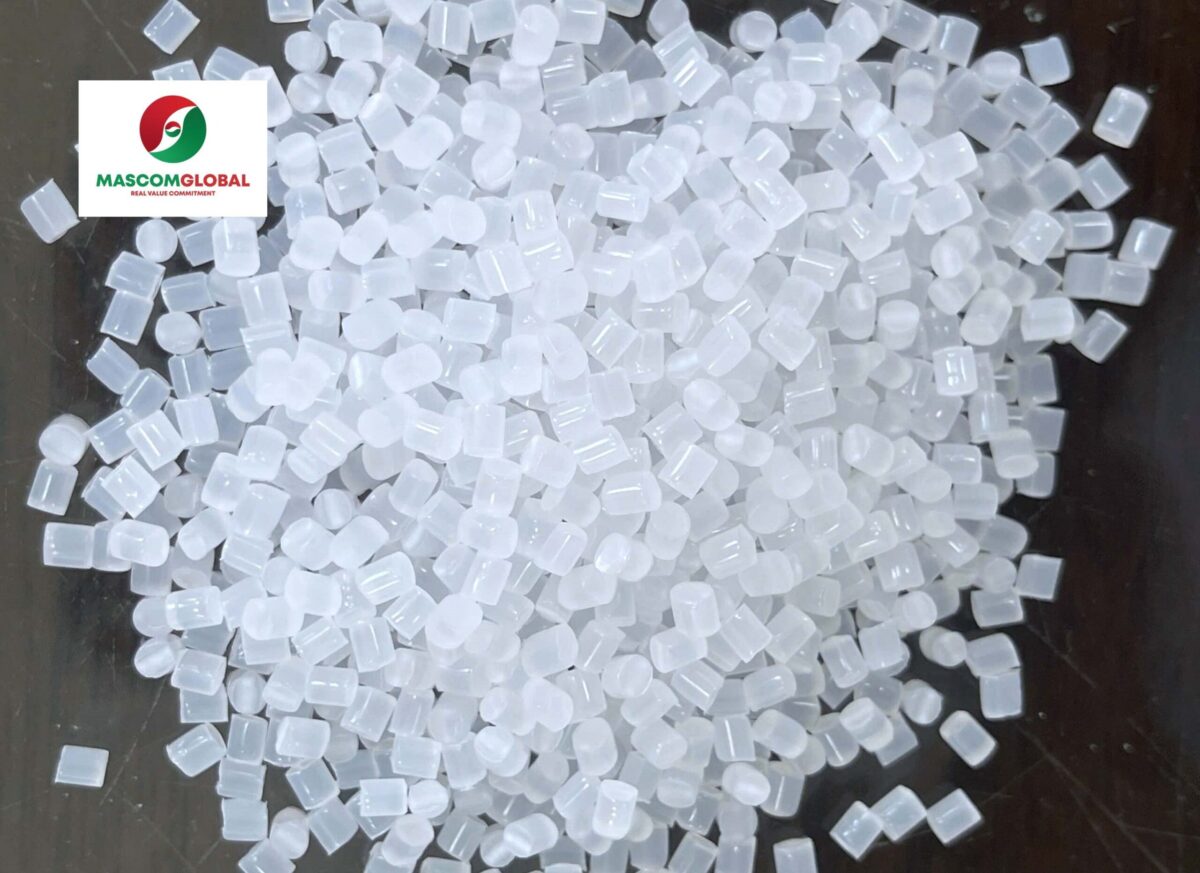
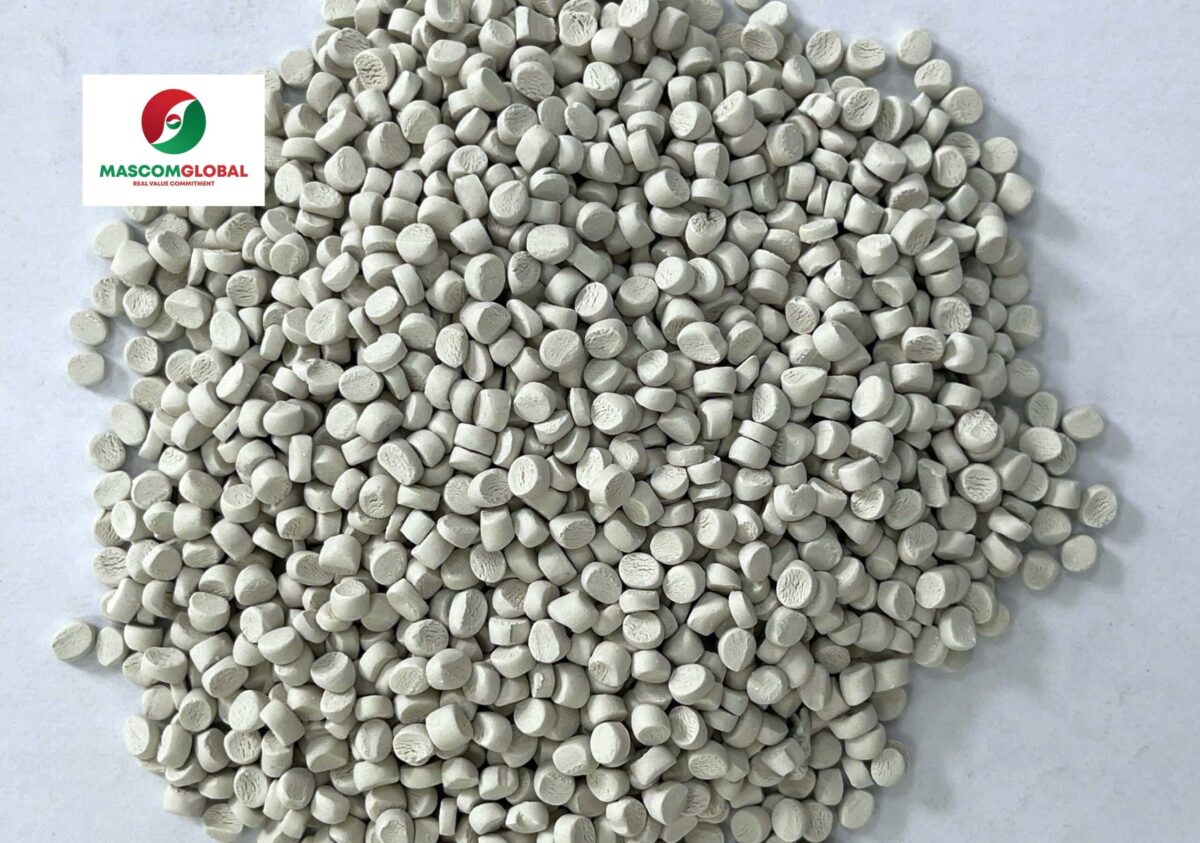
Additive Masterbatch is a concentrated granule in which functional additives are evenly dispersed in a carrier resin. Instead of handling loose powders, processors simply blend the granules with virgin resin at a set ratio. This delivers three clear benefits: better dispersion, a cleaner and safer workplace with less dust, and more accurate dosing that keeps quality consistent from batch to batch.
Common types include UV stabilizer, antioxidant, anti-block, slip, anti-static, anti-fog and flame-retardant masterbatch.
Mascom’s Key Recommendations
Follow these six practical points to achieve stable, repeatable results.
- Match the additive to the application
Every product needs different performance. Agricultural film calls for UV protection, food packaging film needs anti-block and slip, and technical components often require antioxidants or flame retardancy. Define your performance goal first, then select the grade. - Check carrier resin compatibility
The carrier resin should be compatible with your base polymer, whether PE, PP, PS or PET. A compatible carrier ensures good mixing and prevents streaks, delamination or loss of mechanical strength in the finished product. - Follow the recommended dosage
Typical dosage ranges from 1% to 5%, depending on the additive and the end use. Too little will not deliver the intended effect; too much can affect appearance, raise costs and sometimes reduce product quality. Follow the technical data sheet (TDS) and consult Mascom’s technical team before starting mass production. - Ensure uniform dispersion
Additive performance depends heavily on dispersion. Blend the masterbatch and base resin thoroughly before processing, and check processing temperature, screw speed and screw design to avoid additive degradation or agglomeration. - Store it properly
Keep masterbatch in a dry, cool place away from direct sunlight, and reseal opened bags tightly. In humid climates, moisture can cause bubbles, surface defects and reduced additive efficiency. Moisture-sensitive grades should be lightly dried before use. - Run a trial first
Even with the same additive, every production line and formulation is different. A small-scale trial lets you fine-tune dosage and processing parameters early and avoid wasting material.
Typical Applications
- Agricultural and greenhouse film: UV stabilizer and anti-fog for longer service life and clearer light transmission.
- Packaging film and bags: anti-block and slip for smooth unwinding and high-speed converting.
- Woven bags and fibers: UV and antioxidant additives to withstand outdoor exposure and heat during processing.
- Injection-molded and extruded parts: antioxidant, anti-static or flame-retardant grades for safer, more durable goods.
Common Mistakes to Avoid
Avoid these frequent errors that reduce performance and increase cost:
- Choosing by price alone instead of performance requirements.
- Mixing additive masterbatch with incompatible carrier resins.
- Increasing dosage without testing, hoping for a stronger effect.
- Leaving opened bags unsealed in humid storage areas.
- Skipping trial runs when changing formulation or equipment.
Why Choose Mascom?
As a manufacturer, Mascom supplies Additive, Filler and Color Masterbatch with stable quality and the flexibility to adjust formulations to your application. Our technical team supports you from grade selection to trial runs and troubleshooting, helping you shorten development time and reduce risk. Whether you run blown film, cast film, injection molding or pipe extrusion, we can recommend a grade that matches your equipment and process window.
Get in Touch
Contact Mascom today to receive technical advice and samples of Additive Masterbatch tailored to your production needs. Share your base resin, product type and target performance, and our team will recommend the most suitable solution.