Color Masterbatch is widely used to achieve the desired color, improve pigment dispersion, and ensure consistent product quality. However, the recommended dosage of Color Masterbatch varies depending on the color type, formulation, and manufacturing application. Using too little masterbatch may result in insufficient color intensity, while excessive dosage can increase production costs and potentially affect certain properties of the finished product.
Therefore, understanding the recommended dosage and determining the optimal mixing ratio are important steps toward achieving consistent color quality and cost-efficient production.
1. What Is Color Masterbatch?
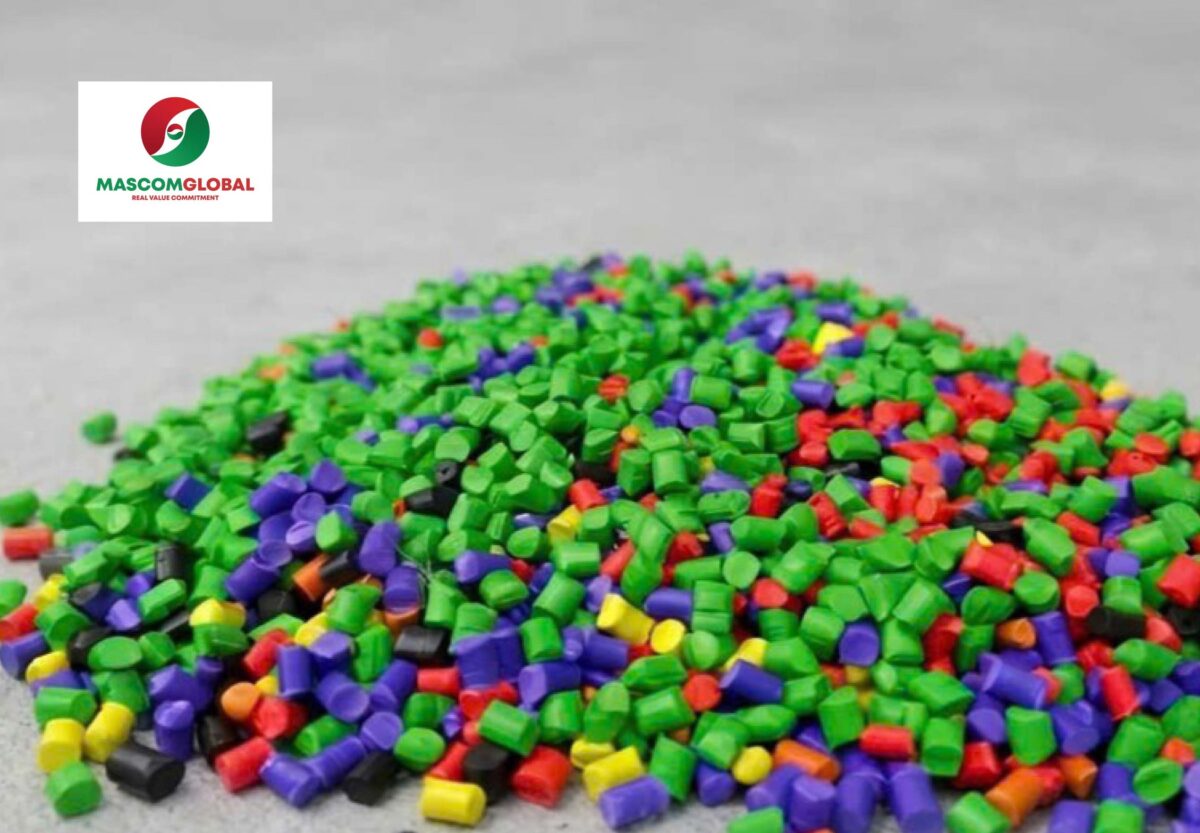
Color Masterbatch is a concentrated coloring material produced by dispersing pigments or dyes into a carrier resin, along with suitable additives. It is typically supplied in pellet form and blended directly with virgin or recycled plastic resins before processing.
Depending on the pigment composition and desired color effect, Color Masterbatch can be classified into several common categories:
- White Masterbatch: Typically formulated with titanium dioxide (TiO₂) to provide whiteness and improve opacity.
- Black Masterbatch: Contains carbon black, offering strong coloring performance and deep black shades.
- Colored Masterbatch: Available in a wide range of colors, including red, blue, green, yellow, orange, and many others.
- Special Effect Masterbatch: Designed to create distinctive visual effects, such as metallic, pearlescent, fluorescent, and other decorative finishes.
Color Masterbatch is widely used across various plastic processing technologies, including blown film extrusion, injection molding, blow molding, extrusion, raffia production, and plastic fiber manufacturing.
2. Why Is the Color Masterbatch Dosage Important?
Ensuring Color Consistency and Accuracy: One of the primary purposes of using Color Masterbatch is to achieve uniform and consistent coloration throughout the finished product. An inappropriate dosage can lead to insufficient color intensity, color variations, or uneven pigment distribution. This is particularly important for products that must meet specific color standards, such as RAL or Pantone. Maintaining the correct dosage helps manufacturers achieve the desired color while minimizing inconsistencies between production batches.
Optimizing Raw Material Costs: Selecting the appropriate Color Masterbatch dosage allows manufacturers to control raw material expenses without compromising the color quality of their finished products. Excessive masterbatch usage can unnecessarily increase production costs, while insufficient dosage may result in unacceptable color quality, rejected products, and material waste. Therefore, determining the optimal mixing ratio is essential for balancing product quality and overall production efficiency.
Maintaining Product Quality and Processing Efficiency: Beyond its impact on color, the masterbatch dosage can also influence surface gloss, pigment dispersion, mechanical properties, and processing stability. For applications such as blown film extrusion and PP fiber production, selecting an appropriate dosage must go hand in hand with good dispersion performance to minimize issues such as color spots, streaks, and filter clogging.
3. Recommended Dosage Rates for Different Types of Color Masterbatch
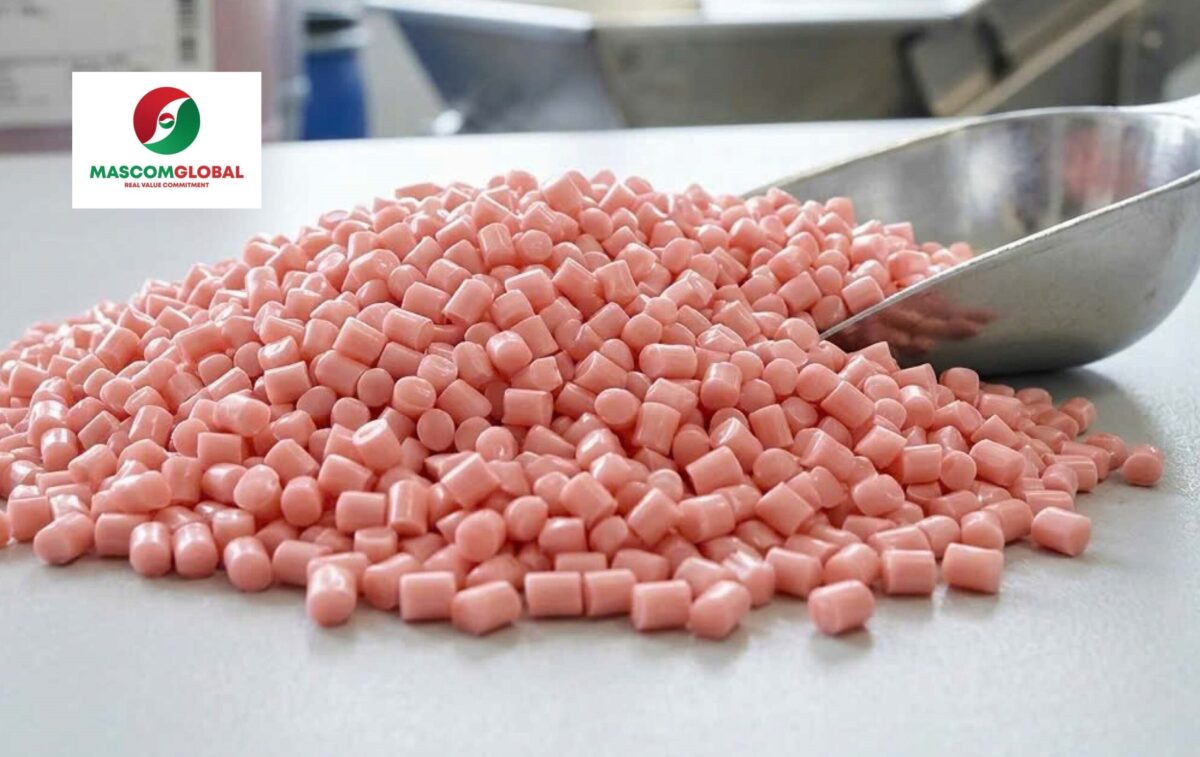
(Illustrative purpose only)
According to technical information published by various Color Masterbatch manufacturers and suppliers, recommended dosage rates can vary significantly depending on the pigment type, formulation, and intended application.
3.1. White Masterbatch - Depending on Whiteness and Opacity Requirements
White Masterbatch typically uses titanium dioxide (TiO₂) as its primary pigment. Its whitening and opacity performance depends on several factors, including TiO₂ concentration, dispersion quality, and product thickness. In practice, thin-film products or applications requiring high opacity may need different dosage rates compared to thick-walled injection-molded products. Therefore, manufacturers should evaluate the required whiteness, opacity, and surface quality before determining the optimal dosage.
3.2. Black Masterbatch - Strong Coloring Performance with the Right Dosage
Black Masterbatch contains carbon black, a pigment known for its excellent coloring strength and ability to produce deep black shades. The appropriate dosage depends on carbon black concentration, the desired level of blackness, and the processing method. For outdoor applications such as plastic pipes and agricultural films, manufacturers should also consider UV protection requirements. It is important to note that not all Black Masterbatch formulations provide the same level of UV resistance.
3.3. Colored Masterbatch - Dosage Varies by Pigment Type
Colored Masterbatch products, including red, blue, yellow, and green grades, are formulated with different pigments, each offering distinct coloring properties and performance characteristics. As a result, the recommended dosage cannot be determined solely by the color itself. For example, two blue masterbatch products may require different mixing ratios due to variations in pigment concentration, formulation, and dispersion efficiency. Manufacturers should therefore evaluate the technical characteristics of each grade rather than applying the same dosage across different products.
3.4. Fluorescent Masterbatch - Depending on the Desired Color Effect
Fluorescent Masterbatch is designed to create bright, vibrant colors with high visual impact. It is commonly used in toys, packaging, and products requiring enhanced visibility or distinctive color effects. The recommended dosage depends on the base polymer, product thickness, processing conditions, and desired fluorescence intensity. For these applications, manufacturers should pay particular attention to thermal stability and color performance under actual processing and end-use conditions.
How to Calculate the Color Masterbatch Mixing Ratio
Suppose a manufacturer prepares a 100 kg material batch and selects a Color Masterbatch dosage of 3% based on the total weight of the mixture.
The formulation would be:
- Color Masterbatch: 3 kg
- Other raw materials: 97 kg
- Total mixture weight: 100 kg
However, manufacturers should confirm how the dosage percentage is defined by their masterbatch supplier. For example, a 3% dosage based on the total mixture weight is not exactly the same as adding 3 kg of masterbatch to every 100 kg of base resin. Understanding this distinction is important for accurate material formulation and consistent production results.
4. Key Factors to Consider When Determining the Right Dosage
To identify the most suitable Color Masterbatch mixing ratio, manufacturers should carefully evaluate several important factors:
- Pigment Concentration and Dispersion Quality: A higher pigment concentration does not necessarily mean that a lower dosage will always deliver better results. Coloring performance also depends on pigment properties and dispersion efficiency.
- Base Polymer Compatibility: Selecting a carrier resin compatible with PE, PP, PET, ABS, or other polymers is essential to minimize processing issues and maintain product quality.
- Product Thickness and Design: Thin plastic films may require different dosage rates compared to thick-walled injection-molded products to achieve the same color intensity or opacity.
- Processing Conditions: Temperature, screw speed, mixing efficiency, and the stability of the dosing system can all influence pigment dispersion and color consistency.
- Finished Product Requirements: Applications involving food contact, outdoor exposure, or specific technical standards require additional evaluation to ensure that the masterbatch formulation meets the relevant requirements.
Most importantly, manufacturers should conduct production trials at different dosage levels to compare color accuracy, dispersion quality, finished product properties, and overall material costs before moving to full-scale production. By combining technical recommendations with practical testing, manufacturers can determine the most cost-effective dosage while maintaining consistent product quality.
5. Mascom Global - Reliable Color Masterbatch Solutions from Vietnam
With advanced manufacturing capabilities, Mascom Global is one of Vietnam's leading manufacturers and exporters of masterbatch products. The company operates a modern 25,000 m² manufacturing facility in Phu Tho Province, with a designed annual production capacity of up to 240,000 metric tons of masterbatch and compound products.
Supported by advanced extrusion technology, strict quality control systems, and customized formulation capabilities, Mascom Global provides high-quality Color Masterbatch solutions with excellent dispersion, consistent coloring performance, and competitive pricing.
Our products are designed to meet the diverse requirements of plastic manufacturers across various applications, including blown film extrusion, injection molding, and plastic extrusion. With export experience across more than 70 countries and markets, Mascom Global goes beyond supplying masterbatch products. We are committed to helping customers select suitable formulations and optimize dosage rates to improve finished product quality, reduce material waste, and enhance production cost efficiency.
Conclusion: Optimizing Color Masterbatch Dosage for Efficient Plastic Manufacturing
The Color Masterbatch dosage plays an essential role in achieving consistent coloration, maintaining finished product quality, and optimizing raw material consumption. However, there is no universal mixing ratio suitable for every color, formulation, or plastic processing application.
To achieve the best results, manufacturers should select masterbatch grades compatible with their base polymers, follow technical recommendations from suppliers, and conduct practical production trials before finalizing their formulations. Combining high-quality Color Masterbatch with an optimized dosage rate enables plastic manufacturers to maintain consistent color quality, minimize material waste, and improve their long-term competitiveness.
At Mascom Global, we are committed to delivering reliable Color Masterbatch solutions that help manufacturers achieve the right balance between color performance, production efficiency, and cost optimization.