UV absorbers for plastics provide advanced protection solutions designed to safeguard polymers from severe UV degradation, cracking, and discoloration. By effectively absorbing harmful ultraviolet radiation and converting it into harmless thermal energy, these high-performance additives significantly extend the lifespan, weatherability, and aesthetic appeal of plastic materials used in outdoor, automotive, construction, and packaging applications.
How UV Absorbers for Plastics Work
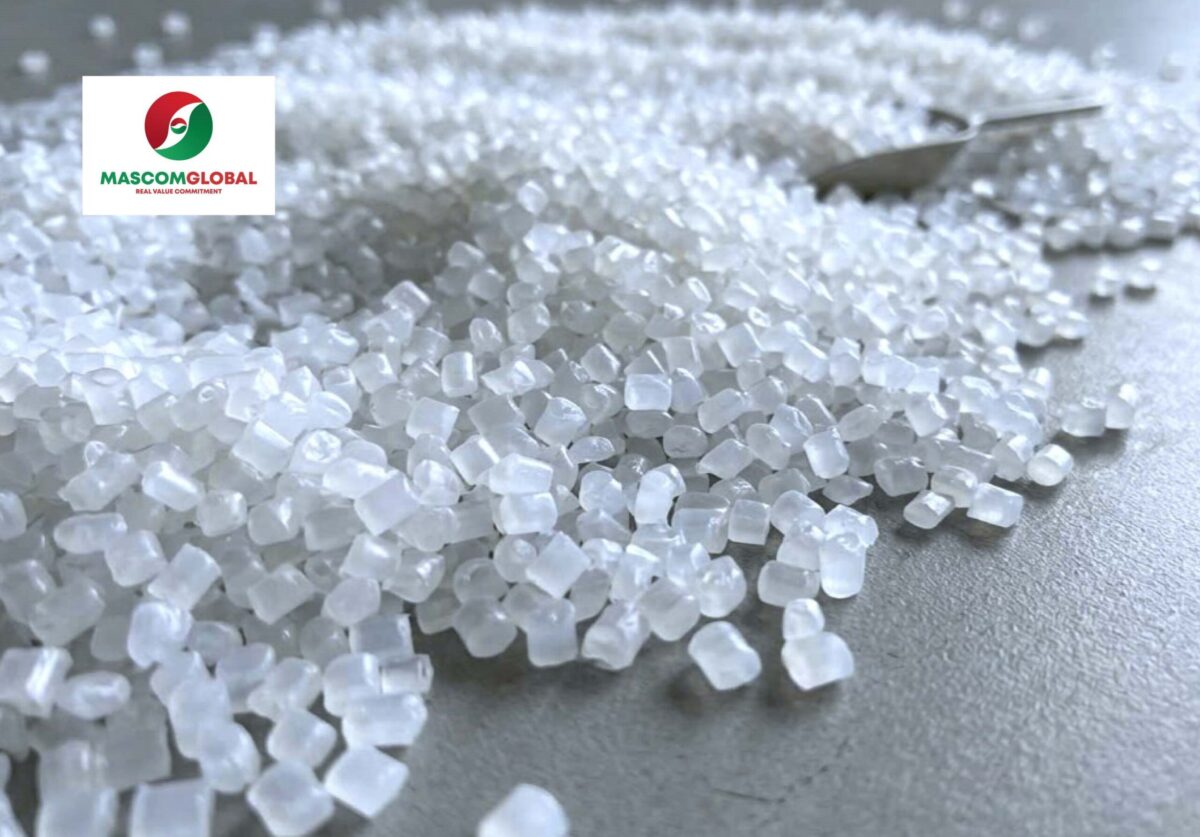
(Illustrative purpose only)
UV absorbers function by absorbing high-energy ultraviolet light and converting it into harmless thermal energy through a process known as intramolecular proton transfer. Unlike other stabilisers that act after degradation has begun, UV absorbers for plastics provide the first line of defence by suppressing the photochemical reactions that lead to polymer breakdown.
The most widely used chemistries include benzotriazoles, benzophenones, triazines, and cyanoacrylates. Each class offers different absorption characteristics and compatibility profiles with various polymer systems. Benzotriazoles are known for strong absorption across the UV spectrum and excellent colour retention, making them a preferred choice for packaging and consumer goods where clarity matters. Benzophenones have a long history in polyolefin stabilisation and offer good compatibility at reasonable cost. Triazines provide very high thermal stability and are often selected for engineering plastics processed at elevated temperatures. Cyanoacrylates are valued for their effectiveness in thin films and coatings.
Key Considerations for Selection
Choosing the right UV absorbers for plastics requires attention to several factors. Polymer type matters significantly, as different plastics respond differently to UV exposure. Polyolefins such as PE and PP behave differently from PVC, PET, or engineering resins like PA and PC, meaning effective UV absorbers for plastics must match the specific spectral sensitivity of the base polymer. Processing temperature also plays a role, since some additives have limited thermal stability and may degrade during extrusion or moulding. Selecting heat-resistant UV absorbers for plastics prevents volatilization and loss of performance during production.
Thickness of the final product is another important variable. Thin films and fibres require higher loading levels because the absorption depth is limited - there is simply less material to hold the stabiliser. For thicker sections, lower concentrations of UV absorbers for plastics may suffice, as radiation must travel further before reaching vulnerable inner layers.
Compatibility with other additives should not be overlooked. In modern formulations, UV absorbers for plastics often perform best when combined with hindered amine light stabilisers (HALS), creating a synergistic effect that provides both immediate and long-term protection. The absorber handles the initial UV assault, while HALS continues to scavenge free radicals over time. This combination is especially valuable for outdoor applications.
Dispersion quality is equally critical. If the additive is not evenly distributed, unprotected areas will fail first. Utilizing masterbatch forms helps pre-disperse UV absorbers for plastics in a compatible carrier resin, ensuring consistent performance across the entire product.
Applications Across Industries
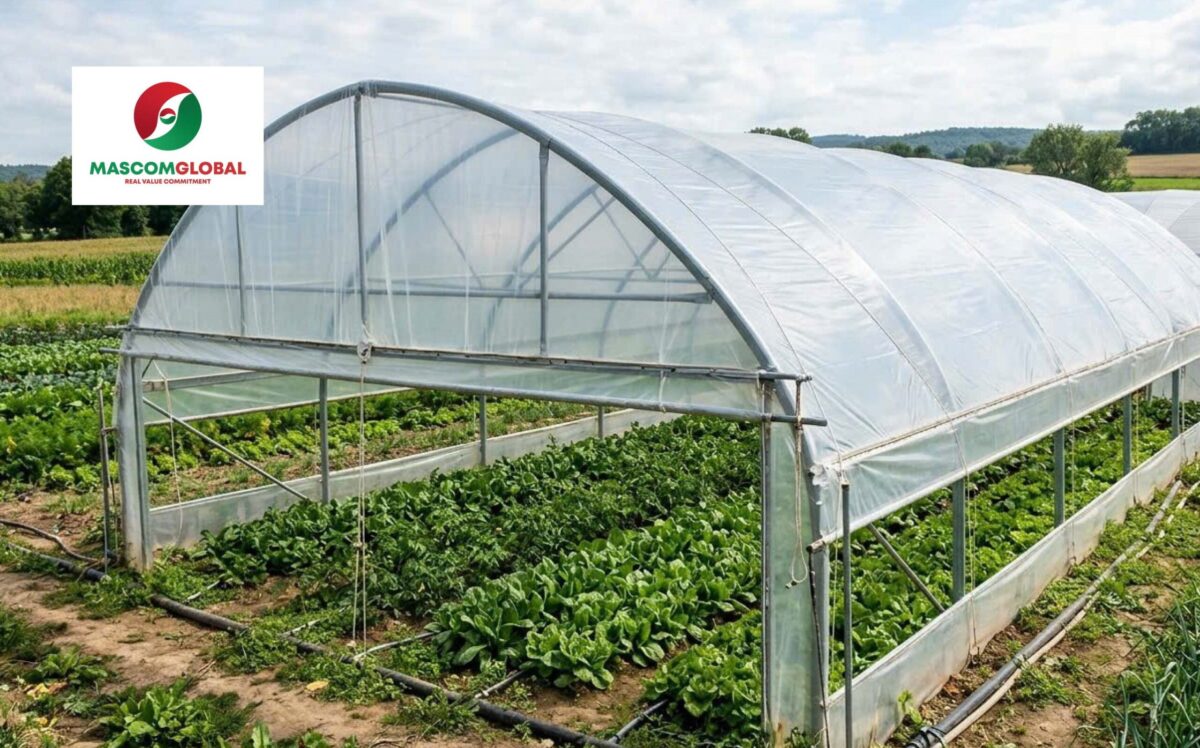
(Illustrative purpose only)
UV absorbers serve a wide range of plastic applications. In packaging, they protect food and beverage containers from light-induced degradation, preserving both appearance and contents. Agricultural films rely on UV absorbers to withstand continuous sun exposure, often combined with HALS for multi-season durability. Automotive components - both interior and exterior - benefit from protection against fading and cracking. Construction materials such as pipes, profiles, and siding depend on UV stabilisation for decades of service. Outdoor furniture, synthetic turf, and geotextiles also rely on these additives to maintain appearance and structural integrity.
How Mascom Global Supports You
At Mascom Global, we understand that effective UV protection is not a universal formula. Our Additives Masterbatch range includes UV stabiliser solutions designed for compatibility with various polymer systems and processing methods. With technical support available for custom formulation, we help manufacturers select the right UV absorber for their specific application requirements - whether the priority is clarity, long-term weatherability, thermal stability, or cost efficiency.
As a manufacturer of masterbatch and compound serving customers around the world, Mascom Global is committed to providing practical solutions that extend the service life of plastic products in demanding environments. From agricultural film to automotive parts and construction materials, the right UV protection system makes the difference between a product that lasts a season and one that performs for years.